
Global AI and Social Media Personalization Wars: The Complete 2025 Guide
Global AI and social media personalization wars represent the most transformative shift in digital marketing since social platforms emerged. Artificial intelligence now powers how brands understand, target, and engage billions of customers across Instagram, TikTok, Facebook, LinkedIn, and beyond. This competitive battleground determines which businesses thrive and which fade into obscurity.​​
The scale is staggering: the global AI in social media market expanded from $1.16 billion in 2022 to projected $5.58 billion by 2030, growing at an exceptional 21.7% compound annual growth rate. Simultaneously, AI-based personalization markets surge at 17.5% CAGR while the broader AI marketing sector reaches $47.32 billion in 2025 alone.
Summary of Key Points:
88% of marketers now use AI daily in their operations, fundamentally changing marketing workflows​
93% report faster content creation through generative AI tools—transforming productivity across campaigns​
Hyper-personalization drives conversion increases of 25% or more when implemented strategically​
Chatbots handle 80% of routine inquiries while providing 24/7 customer support availability​
Market projections show explosive growth: AI marketing reaches $107.5 billion by 2028​
The Rise Of AI-Powered Personalization In Social Media
Global AI and social media personalization wars intensify as platforms race to deliver increasingly sophisticated experiences. Companies like Netflix, Coca-Cola, and Mastercard pioneered AI-driven personalization, analyzing billions of data points to predict customer preferences with stunning accuracy. Their success sparked competitive urgency—every brand now competes to deliver hyper-personalized experiences matching individual preferences precisely.​​
The fundamental power lies in understanding customers profoundly. AI analyzes purchase history, browsing behavior, social interactions, demographic data, and even offline transactions. These detailed customer profiles enable predictive recommendations—suggesting products customers will buy before they realize they want them. Netflix’s algorithm, for instance, analyzes viewing duration, ratings, and content preferences to recommend shows achieving 70% higher engagement.​​
Real-time personalization distinguishes leaders from followers in this global competition. Website homepages shift dynamically showing different products to different visitors. Email subject lines adjust based on recipient behavior patterns. Ad targeting refines continuously as campaigns gather performance data. This constant optimization—impossible before AI—now separates winning brands from struggling competitors.​

How Generative AI Transforms Content Creation At Scale
Content creation burned out 63% of social media marketers before generative AI emerged as a game-changing solution. Brands faced relentless demands: 48 posts across multiple platforms weekly, each requiring original ideas, copywriting, graphic design, and optimization. Generative AI solved this bottleneck dramatically.​​
Tools like ChatGPT, Claude, and DALL-E generate entire content calendars, complete with captions, hashtags, and design concepts. One marketer reported creating three months of content in two hours—previously requiring weeks of work. Coca-Cola implemented AI content platforms generating personalized advertisements based on regional preferences, reducing production time by 75% while increasing engagement.​​
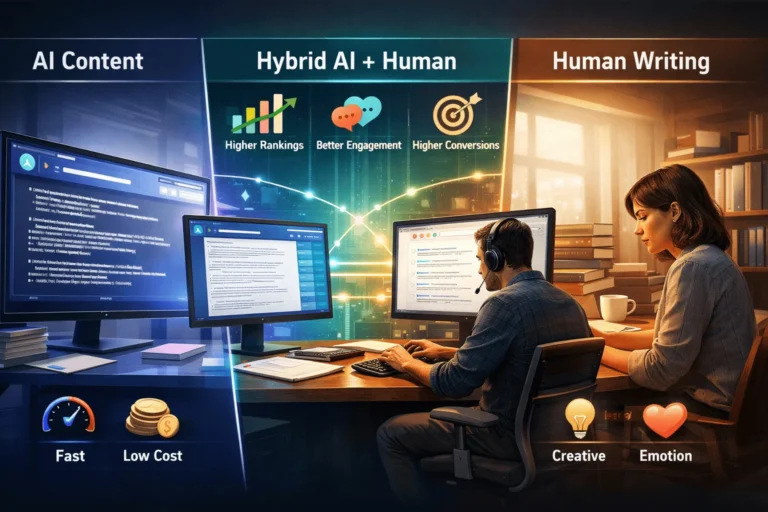
However, Global AI and social media personalization wars reveal an uncomfortable truth: AI content alone feels generic, sometimes inaccurate, and frequently misses brand voice. Smart marketers treat AI as a starting point, not finished product. They refine AI-generated captions, humanize copy, verify facts, and ensure brand authenticity. This human-AI collaboration—combining AI efficiency with human judgment—defines winning strategies.​​
Â

- Subscribe Now This product has multiple variants. The options may be chosen on the product page

- USD: $ 99.98

- Subscribe Now This product has multiple variants. The options may be chosen on the product page

- Subscribe Now This product has multiple variants. The options may be chosen on the product page

- Subscribe Now This product has multiple variants. The options may be chosen on the product page

- Select options This product has multiple variants. The options may be chosen on the product page
- USD: $ 749.98 - $ 4,916.65

- Subscribe Now This product has multiple variants. The options may be chosen on the product page

- Subscribe Now This product has multiple variants. The options may be chosen on the product page

- Subscribe Now This product has multiple variants. The options may be chosen on the product page

- USD: $ 6.65
Hyper-Personalization: From Data To Customer Delight
Hyper-personalization extends beyond generic recommendations to create genuinely tailored experiences. Mastercard built an AI “trend engine” monitoring real-time social conversations, identifying viral topics as they emerge and personalizing campaign messaging accordingly. The NFL uses AI creating localized content for different regions, swapping player images and translating copy automatically without additional production costs.​​
This precision targeting multiplies campaign effectiveness. Brands report conversion rate increases of 25%+ after implementing hyper-personalization. Younger demographics especially value personalized content—16% of millennials and GenZs find AI-created social images extremely appealing when brands use them authentically.​​

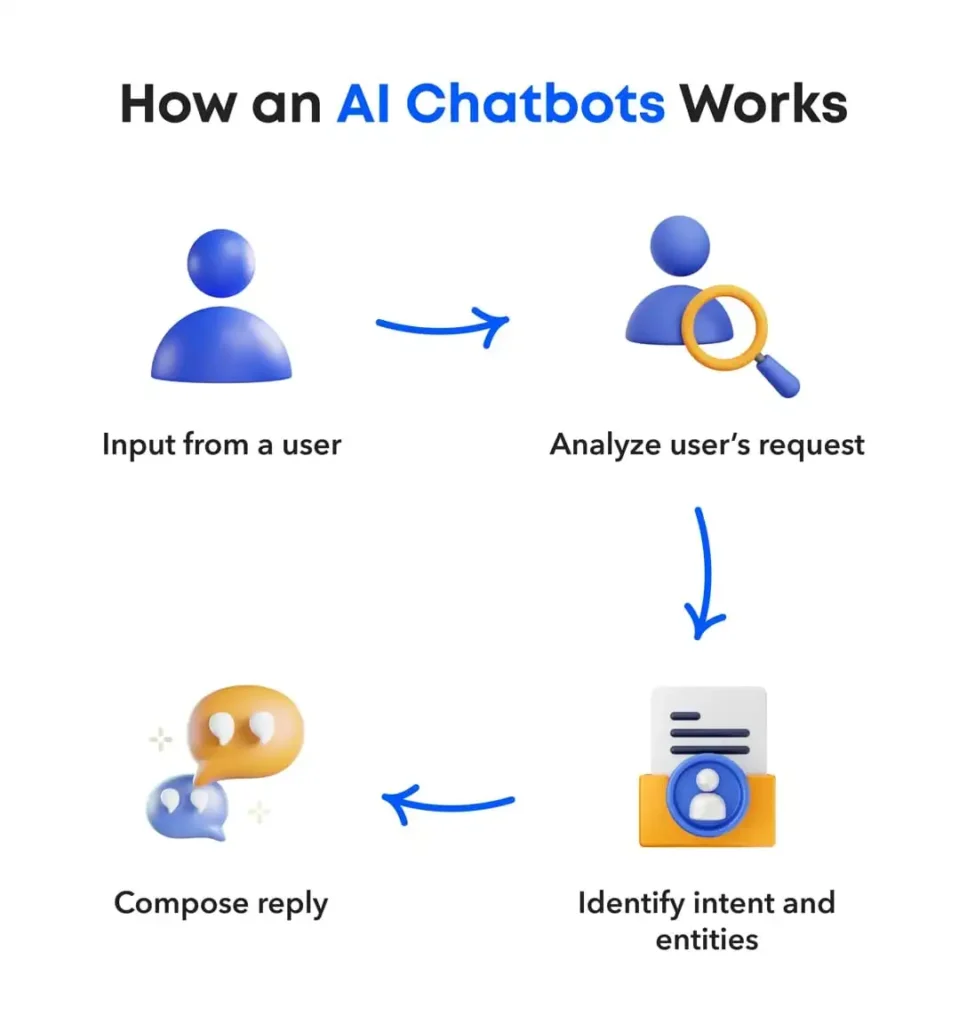
AI-powered chatbots revolutionizing customer service by delivering 24/7 support and personalized assistance across social platforms.
AI Chatbots And Automation Reshape Customer Engagement
Global AI and social media personalization wars increasingly center on chatbots—AI-powered virtual assistants transforming customer interactions. Businesses deployed chatbots across Facebook Messenger, Instagram DMs, WhatsApp, and Twitter, creating always-on customer support channels. The results proved transformative: 64% of customers prefer chatbots for their instantaneous responses.​​
Chatbots handle an impressive 80% of routine customer inquiries automatically, freeing human agents for complex issues. This efficiency drives substantial cost savings—30% reductions in customer service expenses are typical. Simultaneously, conversion metrics improve dramatically: some businesses report 25% conversion rate increases after adding chatbots.​​
The competitive advantage extends beyond efficiency. Chatbots personalize conversations by addressing customers by name, referencing previous purchases, and offering targeted recommendations. Advanced systems analyze sentiment, detect emotional context, and adjust responses accordingly—delivering empathy at scale. Companies like Tidio, Customers.ai, and ChatFuel democratized this technology through visual builders requiring no coding.
Sentiment Analysis And Real-Time Intelligence
Sentiment analysis enables brands to understand customer emotions at massive scale. AI monitors millions of social conversations simultaneously, detecting whether sentiment trends positive, negative, or neutral. This real-time intelligence allows immediate response—addressing customer concerns before minor complaints become viral crises.​​
Talkwalker’s AI platform exemplifies this capability, incorporating massive language models providing accuracy and speed impossible through manual analysis. The technology identifies emerging trends, tracks brand perception, and detects potential PR risks. Successful brands respond to sentiment shifts within hours, adapting messaging and strategy accordingly.​​
​
Marketing Automation: Efficiency At Enterprise Scale
Marketing automation powered by AI enables consistent, personalized customer journeys across touchpoints. Platforms automatically design, schedule, and deploy campaigns across channels without human intervention. The system adapts messaging, timing, and delivery methods maximizing engagement.​​
AI determines optimal posting times by analyzing when specific audience segments engage most. Email platforms personalize subject lines and content blocks—A/B testing happens automatically, with winners automatically deployed to remaining lists. Retargeting ads adjust dynamically based on user interaction history, showing relevant products to interested prospects.​​
​

Digital transformation through AI: Modern marketers leverage automation, personalization, and real-time analytics for unprecedented customer engagement.
Competitive Dynamics And Global Market Leadership
Global AI and social media personalization wars produce clear winners and losers based on adoption speed and implementation quality. North America dominates the market, accounting for 53.8% of global AI social media spending. The region’s advantage stems from early AI adoption culture, concentration of tech giants (Facebook, Google, Twitter, Microsoft), and abundant AI talent.​​
However, Asia-Pacific rapidly challenges this dominance. India’s “AI for All” initiative, combined with massive digital populations in China, India, and Southeast Asia, drives accelerating adoption. APAC is projected contributing 46% to global AI personalization market growth through 2029. The battleground increasingly shifts eastward.​​
Regulatory environments create competitive asymmetries. Europe’s strict data privacy regulations (GDPR) constrain personalization strategies, giving American and Asian competitors advantages. Businesses must balance personalization benefits against privacy compliance costs—a challenge European companies navigate more stringently.​
Google for Startups Accelerator: India – AI-First 2026 Cohort
Accelerating AI‑First Indian Startups + Google for Startups (Google LLC)
- Prototype Stage, MVP Stage, Early Revenue Stage
- April 19, 2026
Google for Startups Accelerator: India – AI-First 2026 Cohort
Accelerating AI‑First Indian Startups + Google for Startups (Google LLC)
₹29,225,000.00- Prototype Stage, MVP Stage, Early Revenue Stage
- April 19, 2026
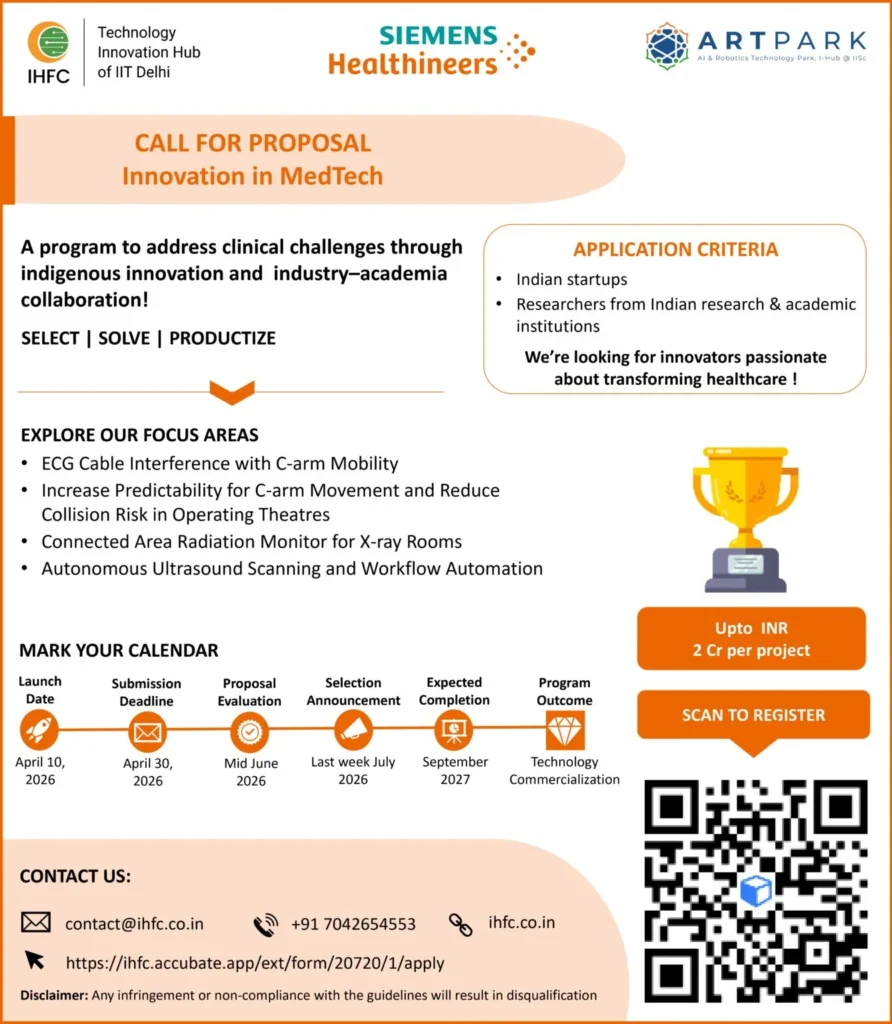
IHFC–ARTPARK–Siemens Healthineers MedTech Call for Proposals 2026
IHFC (I-Hub Foundation for Cobotics), ARTPARK, Siemens Healthineers
₹20,000,000.00- Prototype Stage, MVP Stage, Early Revenue Stage, Growth Stage
- April 30, 2026
Privacy, Ethics, And Responsible AI Implementation
Data privacy represents the crucial concern—63% of consumers worry about personal data usage. Successful brands operate transparently, informing customers explicitly what data they collect and why. Compliance with GDPR, CCPA, and emerging regulations becomes competitive necessity, not optional.​​
Bias in AI systems creates serious risks. If training data underrepresents certain demographics, AI recommendations discriminate—sometimes more than human decisions. Responsible companies audit AI models regularly, use representative datasets, and employ diverse teams identifying problematic patterns.​​
Customers increasingly demand control over personalization. Opt-out options, transparency about AI involvement, and easy preference management build trust. Brands respecting these preferences outperform competitors ignoring customer concerns.​​
Conclusion
Global AI and social media personalization wars reshape marketing fundamentally, separating innovative leaders from struggling traditionalists. The numbers tell the story: 88% of marketers use AI daily, 93% create content faster, and 91% consider AI important to social strategy. Market growth from $1.16 billion to projected $5.58 billion by 2030 reflects massive competitive investment. Success requires embracing AI tools while maintaining human creativity, ensuring data privacy, and building authentic customer relationships.​​
At StartupMandi, we recognize that competing in Global AI and social media personalization wars demands strategic expertise. Explore our comprehensive AI marketing strategy guide covering personalization tactics, chatbot implementation, and content automation best practices. Discover our complete generative AI content creation roadmap helping brands balance efficiency with authenticity.​
For entrepreneurs building customer-focused platforms, understanding AI-powered personalization proves essential. Visit our detailed AI adoption playbook helping startups implement personalization at startup-friendly budgets. Connect with our marketing technology advisors to develop customized AI strategies matching your specific business model and growth stage.
Frequently Asked Questions
Q1: Is AI content creation authentic enough for brand marketing?
AI content serves best as a starting point, not finished product. Smart brands combine AI efficiency with human judgment—refining captions, verifying facts, and ensuring brand voice consistency. This hybrid approach—AI generates options, humans select and refine—delivers optimal results balancing efficiency with authenticity.​​
Q2: How much will AI chatbots actually cost my business?
Chatbot implementation varies widely by platform. Open-source solutions cost nearly nothing but require technical expertise. Mid-market platforms like Tidio range $20-$100 monthly with robust features. Enterprise solutions cost more but scale to handle massive conversation volumes. ROI typically appears quickly through reduced customer service costs and increased conversions.​​
Q3: What’s the biggest privacy risk with AI personalization?
Data breaches expose customer information to criminals. Inadequate consent mechanisms violate privacy regulations, triggering substantial fines. Discriminatory AI recommending different products based on protected characteristics creates legal and reputational damage. Transparency about data collection and usage, strong security, and regular bias audits minimize these risks.​​
Q4: Which AI tools should startups prioritize implementing first?
Start with free or low-cost solutions like ChatGPT for content ideation and basic automation. Implement one reliable chatbot platform before adding multiple tools. Use native AI features within platforms you already use—Instagram, Facebook, TikTok offer built-in AI capabilities. Only invest in specialized platforms once free alternatives prove insufficient.​​
Q5: How quickly will AI adoption become mandatory for competitive survival?
By 2025, using AI represents table stakes rather than competitive advantage. Brands ignoring AI will lose efficiency battles against AI-native competitors. Within 12-24 months, not using AI for basic tasks like content scheduling and customer response will signal falling behind market standards. Strategic AI adoption today determines competitive positioning through 2030 and beyond.​​
Referring Blog / Fact Source
Markets and Data: Global AI in Social Media Market Report (2025-2030)
Technavio AI-Based Personalization Market Analysis (2024-2029)
Acquisition International: AI and Personalized Marketing Strategies
​
Mariyam Bandookwala
i am a professional content writer with a strong focus on clarity, strategy, and audience engagement—helping brands communicate smarter and grow faster.