

startupmandi-blog-background

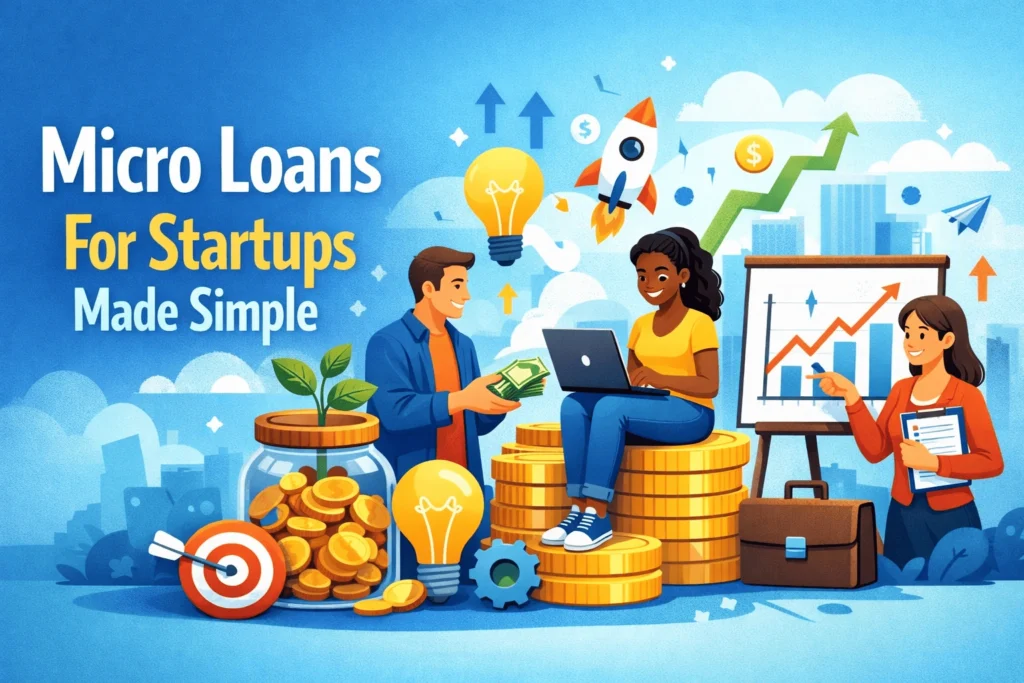
Micro Loans for Startups in 2026: Eligibility, Benefits & Smart Funding Guide

micro loans for startups explained ⚑ Eligibility, benefits, platforms and how to blend loans with seed funding without killing your runway.

Introduction

micro loans for startupsΒ are often theΒ first real external capitalΒ a founder touches before angels or VCs. Paisabazaar defines microloans asΒ small, short‑term loansΒ for self‑employed professionals, micro‑enterprises, and new small businesses that have little or no access to traditional finance. Moreover, they usually come withΒ minimal collateral, simpler documentation, and quick approvals, which makes them a practical alternative or complement toΒ seed funding. Therefore, understanding how these loans work, who offers them, and when to use them is crucial for early‑stage founders.

Source:Micro Loans – Meaning, Purpose, Objective, Providers, How to Apply

  1. Understand whatΒ micro loansΒ really are and how they differ from big loans.

  2. LearnΒ where to get them: banks, MFIs, government, and online platforms.

  3. See how toΒ combine micro loans and seed fundingΒ smartly.

  4. Compare keyΒ features, limits, and eligibilityΒ in one table.

  5. Follow aΒ step‑by‑step playbookΒ before you apply.

What are micro loans for startups?

Clear definition and typical use cases

Paisabazaar describes microloans asΒ small‑ticket business loansΒ aimed at micro‑entrepreneurs and low‑income groups with limited banking access. Poonawalla Fincorp further notes that micro loans are generallyΒ unsecured, can fundΒ inventory, admin expenses, emergencies, or small equipment, and are designed to supportΒ very small or early‑stage businesses.

In practice, founders use aΒ small business micro loanΒ for:

  1. FirstΒ inventory and raw materialΒ purchases.

  2. BasicΒ equipment, laptops, or machinery.

  3. Working capitalΒ during early months.

  4. Rent, salaries, and marketing experimentsΒ before larger rounds.

Because amounts are modest, approvals and disbursals are usually faster than big MSME or term loans.

Ticket sizes, tenure, and cost

Most Indian micro loans for startups range from roughlyΒ β‚Ή50,000 to β‚Ή10 lakh, depending on provider and scheme. Tenures typically sit betweenΒ 6 months and 5 years, with interest rates intentionally kept competitive to drive financial inclusion.

Paisabazaar highlights some common features:

Smaller loan amountsΒ than regular business loans.

  1. Focus onΒ micro‑enterprises, self‑employed and rural entrepreneurs.

  2. Possibility ofΒ group‑based lendingΒ through SHGs and MFIs.

Consequently, these loans are less about leveraging balance sheets, and more aboutΒ kick‑starting productive activityΒ when seed funding is unavailable or too slow.

Snapshot: micro loans vs classic seed funding

AspectMicro loans for startupsSeed funding
Capital typeDebt (to be repaid with interest)​Equity (ownership sold)
Typical ticket sizeβ‚Ή50k – β‚Ή10 lakhβ‚Ή10 lakh – β‚Ή5 crore+
SpeedDays–few weeksWeeks–months
DilutionNoneYes, permanent
Ideal useWorking capital, experiments, survivalProduct build, team, long runway
Β 
Β 
Β 

Used together, micro loans and seed funding canΒ smooth cash flowΒ while protecting ownership.

Checkout Our Latest Services

Where to get micro loans for startups

Microfinance institutions and digital platforms

Microfinance providers and lending platforms are often theΒ first real lendersΒ for new founders. Paisabazaar notes that micro loans are extended byΒ banks, NBFCs, MFIs, and NGOs, often without heavy collateral requirements.

Cloudvisor’s guide shows how globalΒ microloan and financing platforms make small, flexible capital available to startups, particularly in SaaS and e‑commerce. These platforms may:​

  1. Connect startups to investors willing to fund small tickets.

  2. UseΒ revenue‑sharing or short‑term repayment models.

  3. Integrate withΒ cloud bills or marketplacesΒ to underwrite risk.

Therefore, for digital startups, specialised micro‑financing platforms can feel closer toΒ non‑dilutive seed fundingΒ than classic bank loans.

MSME loan for startup: structured, larger micro‑plus options

Bajaj Finserv explains that theirΒ MSME loan for startupΒ can fundΒ new businesses that have strong plans, projected financials, creditworthiness, and MSME registration. These loans often:

  1. Scale fromΒ micro levels (β‚Ή2–5 lakh)Β up toΒ β‚Ή50 lakh or more.

  2. RequireΒ good personal credit scoresΒ (e.g., 685–750+).

  3. OfferΒ collateral‑free optionsΒ under government guarantee schemes.

Bajaj notes that start‑ups can apply if they showΒ solid business plans and projections, which makes these MSME products a bridge between microloans and larger structured debt.

Government‑linked micro and MSME schemes

Microfinance resources highlight that government‑backed schemes, often operated via banks and MFIs, play a key role in micro lending. Examples include:​

  1. Microfinance and SHG‑linked loans underΒ NABARD initiatives.​

  2. MUDRA‑style small‑ticket loans through banks and NBFCs (Shishu/Kishor ranges).​

These schemes are engineered to supportΒ very early businesses, women entrepreneurs, and rural foundersΒ who usually receive neither seed funding nor classic bank credit.

How to use micro loans alongside seed funding

Decide what micro loans should pay for

Micro loans for startups work best when used forΒ short‑cycle, revenue‑linked expensesΒ rather than long, speculative bets. Paisabazaar and Poonawalla both list common purposes such asΒ inventory, cash‑flow gaps, small upgrades, and emergencies.

A simple rule:

  1. UseΒ seed fundingΒ for long‑term product, R&D, and team.

  2. UseΒ micro loansΒ forΒ near‑term, measurable ROI investmentsΒ like stock, campaigns, or equipment that can repay within the loan tenure.

Basic eligibility preparation checklist

Before applying, founders should tick a few boxes that lenders and platforms care about:

  1. Separate business accountΒ and clean bank statements for 6–12 months.

  2. Personal credit scoreΒ in a healthy range (often 680+ for MSME lenders).

  3. Basic financials: projected cash flows, simple P&L, and revenue plan.

  4. Registrations and licences: MSME/Udyam, GST (where applicable), PAN.

  5. Clear purposeΒ and repayment logic documented in a short note or deck.

Because many micro lenders focus onΒ cash‑flow stability and intent, even early founders can qualify with good preparation.

Quick comparison table – who should you approach first?

Founder situationLikely best first step
Very early, rural, minimal documentationMFI / NGO microfinance, SHG‑linked schemes
Urban startup with revenue but no equity yetDigital microloan / MSME loan for startup
VC‑backed startup needing working capitalMix of micro / MSME loan plus seed funding top‑up
Bootstrapped SaaS / e‑commerce with predictable MRRRevenue‑linked micro financing platforms​
Β 
Β 
Β 

Conclusion

micro loans for startupsΒ give founders aΒ simple, fast, and relatively low‑friction wayΒ to test ideas, buy inventory, or survive early volatility before or alongsideΒ seed funding. Microfinance institutions, fintech platforms, and MSME lenders have all expanded access, particularly for entrepreneurs who lack collateral or long credit histories. When used with discipline and clear ROI logic, these loans become aΒ launchpad instead of a liability.

Disclaimer

This blog is forΒ educational purposes onlyΒ and doesΒ notΒ provide financial, legal, tax, or investment advice. Loan products, eligibility criteria, interest rates, and limits mentioned here mayΒ change over timeΒ and differ across lenders. Always verify details with official lender websites or regulated advisors before applying. Taking anyΒ small business micro loanΒ or combining it with seed funding involvesΒ repayment obligations, credit risk, and potential impact on your financial profile.

Β 

FAQs

Q1. What exactly are micro loans for startups?
They areΒ small‑ticket, short‑term business loansΒ typically betweenΒ β‚Ή50,000 and β‚Ή10 lakh, designed to help micro‑enterprises, self‑employed founders, and early‑stage startups who have limited access to traditional credit.

Q2. How are micro loans different from seed funding?
Micro loans areΒ debtΒ that must be repaid with interest, whileΒ seed fundingΒ isΒ equityΒ that permanently dilutes ownership. Loans suitΒ near‑term, revenue‑linked needs, whereas seed funding backsΒ product and team build‑out.

Q3. Can a brand‑new startup with no revenue get a micro loan?
Some microfinance institutions and government‑linked schemes do lend toΒ very early or pre‑revenue founders, especially via SHGs, women‑focused programmes, or MSME startup schemes, though lenders still look atΒ credit behaviour and business plans.

Q4. What are typical eligibility conditions for an MSME loan for startup?
Bajaj Finserv notes that startups generally needΒ good personal credit,Β minimum turnover or projected financials, properΒ registration, and aΒ clear plan to use and repay the loan; collateral‑free options may exist under guarantee schemes.

Q5. How can StartupMandi help with micro loans and seed funding?
StartupMandi canΒ map your funding stage, connect you toΒ relevant micro‑lenders and MSME products, and help youΒ prepare a basic plan and documents, while also advising when toΒ layer in seed fundingΒ so that loans do not choke your runway.

Referring Blog / Fact Source Links

    1. Micro Loans – Meaning, Purpose, Objective, Providers, How to Apply
    2. What Is a Micro Loan? Meaning, Benefits, Types and How to Apply
    3. MSME Loan for Startup: Eligibility, Benefits, and How to Apply
    4. Microloans and Financing Platforms Every Startup Should Know
    5. Bajaj Finserv MSME loan – Apply for Bajaj Finserv MSME Loan for New business
Dikshant Choudhary
Dikshant Choudhary

I’m Dikshant Choudhary, a University of Delhi student and freelance writer specializing in SEO blogs, transcription, and business analysis. I create engaging, research-driven content for academic and client projects with creativity and discipline.

Articles: 46

Leave a Reply

Your email address will not be published. Required fields are marked *