




Boost Website Sales in 2026: 7 Conversion Hacks That Actually Work
Discover proven tactics & Expert strategies for conversion optimization, mobile checkout, email marketing & social proof. Get sales fast!
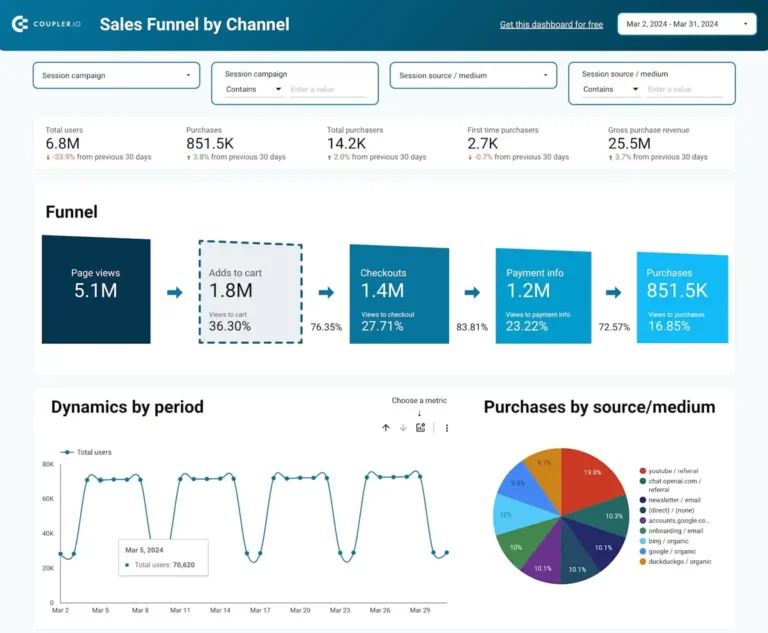
Increase website sales through strategic optimization, personalization, and customer-centric design. The digital marketplace is more competitive than ever, demanding fresh approaches to drive revenue growth. Whether you’re selling on Shopify or another platform, proven tactics exist to boost conversions and customer lifetime value. This comprehensive guide explores evidence-based strategies that top e-commerce brands use to get sales on Shopify and similar platforms in 2026.
Read more: Set Up an Ecommerce Store : Best Way Without Coding Skills
Overview:
Optimize your product pages with compelling descriptions, high-quality images, and clear CTAs to convert browsers into buyers
Implement personalization strategies using AI-driven recommendations to deliver tailored shopping experiences across all touchpoints
Streamline mobile checkout with minimal fields, fast loading speeds, and multiple payment options to reduce cart abandonment
Leverage email marketing through automated flows and abandoned cart recovery to maximize repeat purchases and customer retention
Build social proof using customer reviews, testimonials, and user-generated content to establish trust and credibility instantly
Looking to Boost Your Sales? Go with 3Months Lead Ads Plan – Get 150+ Compulsory Leads
MASTERING PRODUCT PAGE OPTIMIZATION
💎 Transforming Product Pages Into Conversion Machines
Product pages represent the critical decision-making moment in your customer’s journey. However, research shows that poorly optimized product pages can result in a 30% or more loss in potential conversions. Increase website sales by implementing data-driven product page strategies that address customer objections before they materialize. Additionally, these enhancements help get sales on Shopify by creating memorable shopping experiences.
High-Quality Visuals and Product Storytelling
Your product images are the first impression potential customers receive online. Consequently, blurry photos or insufficient visuals directly increase bounce rates. Therefore, implement these visual optimization tactics: use high-resolution images with zoom functionality, add 360-degree views for complex products, include lifestyle photography showing products in real-world scenarios, and incorporate video demonstrations where applicable.
Moreover, professional product imagery reduces return rates significantly. Furthermore, customers who interact with multiple product images convert 27% higher than those viewing single photos. Thus, invest in photography that tells your brand story authentically and builds emotional connections with shoppers.
Compelling Product Descriptions and Benefit-Focused Copy
Generic product descriptions miss critical opportunities to convince hesitant buyers. Instead, write descriptions that answer common customer questions directly. What problems does your product solve? How does it improve daily life? What materials are used? Include specifications, dimensions, and care instructions clearly. Additionally, use benefit-focused language rather than merely listing features.
Consequently, comprehensive product descriptions reduce customer support inquiries substantially. Moreover, detailed copy boosts your SEO rankings for long-tail keywords. Therefore, allocate time to craft persuasive, informative descriptions that resonate with your target audience emotionally and logically.
Strategic Pricing Displays and Urgency Triggers
Price anchoring is a proven psychological technique that increases perceived value. Specifically, display original prices alongside discounts to emphasize savings. Additionally, show low stock warnings for popular items, creating natural urgency without aggressive pressure tactics. Furthermore, countdown timers on limited-time offers drive immediate purchase decisions.
Consequently, adding scarcity elements can boost conversions by 30% or more. Moreover, transparent pricing (including all fees) builds trust with shoppers. Therefore, implement these elements strategically to improve your conversion rates sustainably.
PERSONALIZING THE SHOPPING EXPERIENCE
AI-Powered Personalization and Dynamic Content
Generic shopping experiences fail to capture today’s sophisticated customers who expect relevant recommendations. Therefore, increase website sales by implementing AI-driven personalization across your website. Similarly, brands using dynamic content strategies get sales on Shopify through tailored experiences that feel personal and intuitive.
Smart Product Recommendations and Behavioral Targeting
AI-powered recommendation engines analyze browsing history, purchase patterns, and customer behavior to suggest relevant products. Importantly, personalized product suggestions increase average order value by 20-30% typically. Moreover, dynamic recommendations based on browsing behavior boost conversion rates significantly across all customer segments.
Consequently, implement these personalization strategies: display “Frequently Bought Together” recommendations on product pages, show “Customers Also Viewed” sections based on browsing history, highlight personalized homepage content based on traffic source, and offer tailored email recommendations based on past purchases.
Furthermore, real-time personalization requires minimal technical setup on modern e-commerce platforms. Therefore, prioritize implementing these strategies early in your optimization journey.
Email Segmentation and Behavioral Automation
Email marketing remains the highest ROI channel for e-commerce, delivering $36-$42 for every $1 invested. However, generic email campaigns underperform dramatically compared to segmented, behavior-based messages. Therefore, segment your email list by: purchase history, browsing behavior, engagement level, customer lifecycle stage, and demographic information.
Moreover, automated email flows triggered by customer actions drive 10x higher conversions than bulk campaigns. Specifically, abandoned cart emails convert 3-4% of recipients, while cart recovery flows generate significant incremental revenue. Furthermore, welcome email series from new subscribers achieve 50-60% open rates, representing your best engagement opportunity.
Consequently, establish these core email flows: welcome series for new subscribers, abandoned cart recovery (3-email sequence), post-purchase follow-up sequence, and browse abandonment reminders.
Dynamic Homepage Content and Landing Page Variations
Match your landing page experience to visitor intent and traffic source carefully. For example, visitors from paid ads promoting specific products should land on those product pages directly, not your generic homepage. Therefore, implement dynamic content that adapts based on: traffic source, device type, geographic location, previous visit behavior, and referral source.
Moreover, this personalization reduces bounce rates substantially and improves user experience perception. Therefore, test variations systematically to identify highest-performing content combinations.
MOBILE-FIRST OPTIMIZATION AND CHECKOUT STREAMLINING
📱 Dominating Mobile Commerce in 2026
Mobile devices now account for 55-60% of all e-commerce traffic, yet most stores still optimize for desktop first. Consequently, increase website sales by prioritizing mobile user experience throughout your website. Similarly, mobile optimization directly impacts your ability to get sales on Shopify since 80% of users abandon sites that load slower than 3 seconds on mobile.
Lightning-Fast Page Load Speeds and Performance
Page speed fundamentally impacts conversion rates across all devices. Specifically, sites loading in 1 second convert 3x better than sites taking 5 seconds to load. Moreover, 80% of mobile users abandon sites exceeding 3-second load times, representing massive revenue loss.
Therefore, optimize your website speed through: compressing product images using WebP format, implementing lazy loading for below-fold content, minimizing CSS and JavaScript files, enabling browser caching for returning visitors, and leveraging content delivery networks (CDNs) for faster global delivery.
Furthermore, Shopify stores implementing speed optimizations report 4-6% conversion rate improvements consistently. Therefore, use Google PageSpeed Insights to identify specific optimization opportunities, prioritize improvements based on impact, and test changes systematically.
Streamlined Checkout Process and Multiple Payment Options
Cart abandonment occurs at alarming rates when checkout procedures contain excessive steps. Research shows 70% of potential customers abandon carts during complicated checkout experiences. Therefore, implement single-page checkout layouts combining shipping, payment, and order summary information.
Moreover, offer these payment methods: credit/debit cards, PayPal, Apple Pay, Google Pay, and Buy Now Pay Later (BNPL) options. Furthermore, enable guest checkout without requiring account creation, minimize form fields to essential information only, and implement autofill functionality for returning customers.
Consequently, successful mobile checkout strategies reduce form steps from 4-5 down to 2-3. Therefore, test your checkout flow on various devices, gather user feedback, and iterate continuously based on analytics data.
Mobile-Responsive Design and Touch-Optimized Navigation
Mobile-responsive design adapts seamlessly across all device sizes and screen orientations. Therefore, ensure: buttons are at least 48×48 pixels for easy tapping without mis-clicks, navigation menus are simplified with clear labels, product images display properly on smaller screens, and text remains legible without zooming.
Moreover, implement sticky CTAs that remain visible while scrolling, ensuring “Add to Cart” buttons stay accessible throughout browsing. Furthermore, simplify navigation by reducing menu depth and surfacing key product categories prominently. Therefore, test your mobile interface extensively on real devices, not just desktop browsers, to ensure optimal user experience.
EMAIL MARKETING, SOCIAL PROOF & CONCLUSION
💌 Maximizing Email Marketing and Building Customer Trust
Email marketing drives sustainable revenue growth when executed strategically with personalization and behavioral triggers. Increase website sales consistently through email automation that nurtures relationships throughout the customer lifecycle. Moreover, this channel directly impacts your ability to get sales on Shopify without relying solely on paid advertising.
Abandoned Cart Recovery and Win-Back Campaigns
Abandoned carts represent 70% of total online shopping carts, yet most e-commerce stores recover less than 20% of these lost sales. Therefore, implement automated cart recovery sequences: send first email within 1-3 hours of abandonment with gentle reminder and product images, send second email after 24 hours offering modest incentive (10-15% discount), and send final email after 72 hours with stronger incentive (20% discount or free shipping).
Moreover, personalize recovery emails by including specific product images and details from abandoned carts. Furthermore, segment recovery campaigns by customer type (new vs. repeat buyers) to tailor messaging appropriately. Therefore, cart recovery flows typically generate 3-4% conversion rates, delivering substantial incremental revenue for minimal effort.
Building Trust Through Social Proof and Customer Reviews
Customer reviews and testimonials represent your most powerful conversion tool online. Research shows that displaying reviews boosts conversion rates up to 67%, while testimonials increase conversions by 34%. Moreover, nearly 70% of online shoppers read reviews before purchasing, making this element non-negotiable.
Therefore, implement these social proof tactics: display star ratings prominently on product pages near pricing information, showcase detailed written reviews with verified purchase badges, highlight user-generated content (UGC) like customer photos and videos, feature testimonial quotes on homepage and key landing pages, and implement review request automation in post-purchase emails.
Furthermore, respond to negative reviews professionally and constructively, turning criticism into opportunities for improvement. Moreover, encourage repeat customers to leave reviews through incentives like loyalty points or exclusive discounts.
Multi-Channel Marketing Integration and Consistency
Key Marketing Channels Performance Comparison
| Marketing Channel | Average Conversion Rate | Customer Acquisition Cost | Best For |
|---|---|---|---|
| Email Marketing | 2.8-3.0% | Low | Retention & repeat sales |
| Paid Social Ads | 1.5-2.0% | Medium | New customer acquisition |
| Organic Search (SEO) | 2.2-3.5% | Low | Long-term sustainable traffic |
| Abandoned Cart Recovery | 3-4% | Very Low | Recovering lost sales |
| Influencer Marketing | 1.8-2.5% | High | Brand awareness & niche audiences |
Successful online stores integrate these channels strategically rather than operating them in silos. Therefore, coordinate messaging across email, social media, paid ads, and your website. Moreover, use consistent branding, value propositions, and visual identity across all touchpoints. Furthermore, leverage data from each channel to inform strategy adjustments and budget allocation decisions.
CONCLUSION
Increasing website sales in 2026 requires a multi-faceted approach addressing every stage of the customer journey. Increase website sales by implementing the strategies outlined above: optimize product pages for conversions, personalize shopping experiences through AI and segmentation, streamline mobile checkout, leverage email automation, and build trust through social proof.
Moreover, these tactics compound when implemented together, creating synergistic effects that maximize revenue growth. Start with the highest-impact strategies (mobile optimization and email automation), then expand methodically based on analytics data. Remember, successful e-commerce optimization is continuous—test changes systematically, measure results carefully, and iterate based on real customer behavior data rather than assumptions.
FREQUENTLY ASKED QUESTIONS
Email automation and abandoned cart recovery produce results within 30 days. However, SEO improvements and mobile optimization typically require 60-90 days to show meaningful impact. Therefore, implement quick-win tactics first while building longer-term optimization initiatives simultaneously.
Conversion optimization delivers faster ROI than traffic growth initiatives. Specifically, improving conversion rates by 5% generates more revenue than increasing traffic by 50% in many cases. Therefore, prioritize conversion optimization for immediate revenue impact while building traffic through SEO and content marketing.
For Shopify specifically: Shopify’s built-in email marketing, Klaviyo for advanced email automation, Gorgias or Zendesk for customer support, Yotpo for reviews management, and ConvertKit or OptinMonk for popups and landing pages. Many of these offer free trials or starter plans, allowing you to test before investing.
Implement A/B tests continuously, especially on high-traffic pages and email campaigns. Test one element at a time (subject lines, button colors, CTA copy, etc.), run tests for at least 2 weeks or until reaching statistical significance, and implement winning variations immediately. Therefore, establish testing as ongoing practice rather than one-time initiative.
Track these key metrics: conversion rate (purchases ÷ total visits), average order value (total revenue ÷ total orders), customer lifetime value (average purchase frequency × average order value), cart abandonment rate, and email conversion rates. Additionally, implement Google Analytics to track behavior flows and identify optimization opportunities throughout customer journeys.
REFERRING BLOGS & FACT SOURCES 🔗
Optimonk – How to Increase Online Sales: 14 Strategies for 2026
WiserNotify – How to Increase Online Sales: 20 Fresh Strategies in 2026
Shopify Official Blog – How to Increase Conversion Rate: 20 Advanced Strategies
ConvertCart – Shopify Product Page Optimization: 12 Tested Ideas & Real-World Examples
Gameball – 9 Proven Tactics to Increase Your Shopify Conversion Rate



[…] Read more: Increase Website Sales in 2026: 7 Proven Strategies 📈 […]