
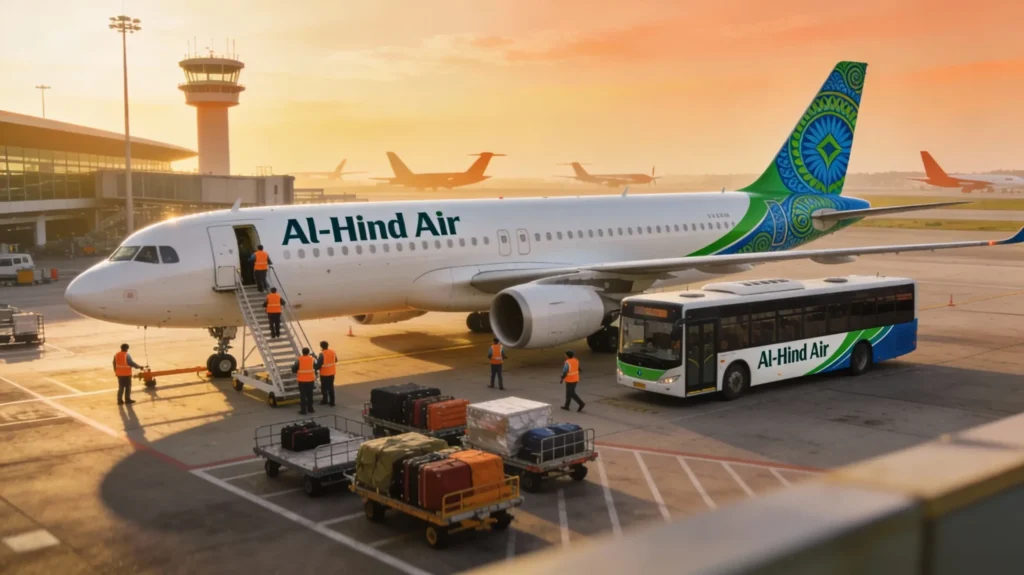

Al-Hind Air: Government Approves Game-Changing New Airline To Challenge Aviation Duopoly 🚀
Al-Hind Air received official no-objection certificate (NOC) approval from India’s Civil Aviation Ministry this week, marking a historic moment in Indian aviation. The Kerala-based carrier, promoted by the Alhind Group, joins FlyExpress as the government’s latest push to break the stranglehold of IndiGo and Air India Group controlling 90% of domestic market share. This approval represents far more than bureaucratic rubber-stamping—it signals government commitment to transforming India’s concentrated, vulnerable airline industry.
Al-Hind Air enters at a critical juncture. IndiGo’s devastating operational meltdown in December 2025 exposed catastrophic risks of over-dependence on a single carrier, leaving 60,000+ passengers stranded and national aviation credibility damaged. Against this backdrop, Al-Hind Air and other new entrants offer genuine competitive salvation.
Al-Hind Air & Aviation Transformation – Critical Facts 📋
Al-Hind Air NOC Approved: December 2025 (alongside FlyExpress)
Shankh Air Operations Launch: Expected Q1 2026 (already has NOC)
Current Duopoly: IndiGo 65% + Air India Group 25% = 90% market concentration
New Entrants Vision: Reduce concentration to ~75% by 2027
Fleet Plans: Al-Hind Air targeting 20-25 aircraft within 2-3 years
Investment Commitment: Significant capital deployment despite aviation sector risks
Understanding Al-Hind Air: The New Competitive Force Reshaping Indian Aviation
Al-Hind Air represents a strategic response to India’s dangerous aviation market concentration. The carrier is promoted by the Kerala-based Alhind Group, a business entity with experience in travel and hospitality sectors. While specific aircraft orders and route plans remain under regulatory review, Al-Hind Air’s approval signals serious, credible entry intent backed by experienced promoters.
The timing proves crucial. India’s aviation sector experiences rapid growth—domestic passenger traffic exceeded 150 million in 2024. Yet this growth benefits only dominant players with scale advantages. Al-Hind Air enters specifically to capture underserved market segments and secondary routes where new entrants can thrive.
The Duopoly Crisis: Why Al-Hind Air’s Entry Matters
IndiGo’s December 2025 operational breakdown revealed systemic vulnerabilities threatening passenger safety and economic stability:
Scale Concentration Risks: 📉
Single airline (IndiGo) controls 65% capacity, leaving entire system vulnerable to single-point failures
Air India Group adds another 25%, creating 90% duopoly concentration—among world’s highest
When IndiGo falters, no alternative capacity absorbs displaced passengers, creating cascading chaos
Market Power Abuse Concerns: 💰
Limited competition enables aggressive pricing without quality competition
Route selection dictated by few players, leaving smaller cities unserved despite growth demand
New entrants like Al-Hind Air essential for consumer protection through competitive pressure
Al-Hind Air’s Strategic Positioning Against Incumbents
Al-Hind Air distinguishes itself through three competitive angles:
Regional Focus Strategy: 🎯 Target secondary cities and Tier-2 markets where IndiGo/Air India neglect demand
Cost Leadership: ✈️ Lower operational overhead enables competitive pricing on under-served routes
Customer Service: 👥 Differentiation through service quality instead of scale, building brand loyalty among frustrated passengers
These positioning elements enable Al-Hind Air to achieve profitability without matching incumbents’ capacity—a critical success factor.

- Select options This product has multiple variants. The options may be chosen on the product page
The Competitive Landscape: Al-Hind Air Joins Shankh Air & FlyExpress In Market Entry Wave
Al-Hind Air doesn’t enter alone—it’s part of a coordinated government push introducing three major new carriers simultaneously. This coordinated entry strategy differs from traditional sequential airline approvals, signaling government determination to rapidly reduce market concentration.
Shankh Air: The Frontrunner Setting Pace
Shankh Air, promoted by Uttar Pradesh-based Shankh Aviation, launches first in Q1 2026 (expected January-March). The carrier already holds NOC approval and is preparing aircraft for delivery. Shankh Air plans rapid fleet scaling to 20-25 aircraft within 2-3 years, demonstrating serious expansion intent.
Critically, Shankh Air Chairman Sharvan Kumar Vishwakarma met Civil Aviation Minister K. Rammohan Naidu directly, securing ministry commitment to expedited regulatory clearances. This high-level coordination demonstrates government backing for Shankh Air’s aggressive timeline.
FlyExpress: The Third Disruptor
FlyExpress joins Al-Hind Air receiving NOC approval this week, completing a trio of new entrants. While less public information exists on FlyExpress operations, its approval signals government determination to introduce multiple competitive options simultaneously rather than sequential entries.
This simultaneous entry strategy proves crucial—if only one new airline launches, incumbents neutralize competition through selective route blocking and pricing wars. However, with three credible competitors entering, market dynamics shift fundamentally.
The UDAN Success Model Informing New Entrant Strategy
Government’s earlier success with UDAN (Ude Desh ka Aam Naagrik) scheme informs Al-Hind Air’s strategy. UDAN enabled smaller carriers—Star Air, Fly91, IndiaOne Air—to expand to tier-2 and tier-3 cities profitably. These carriers proved small-scale, focused operations can achieve profitability without duopoly scale.
Al-Hind Air essentially follows UDAN playbook into larger markets. Rather than competing head-to-head with IndiGo nationally, Al-Hind Air targets regional dominance and secondary city focus where scale disadvantages matter less.
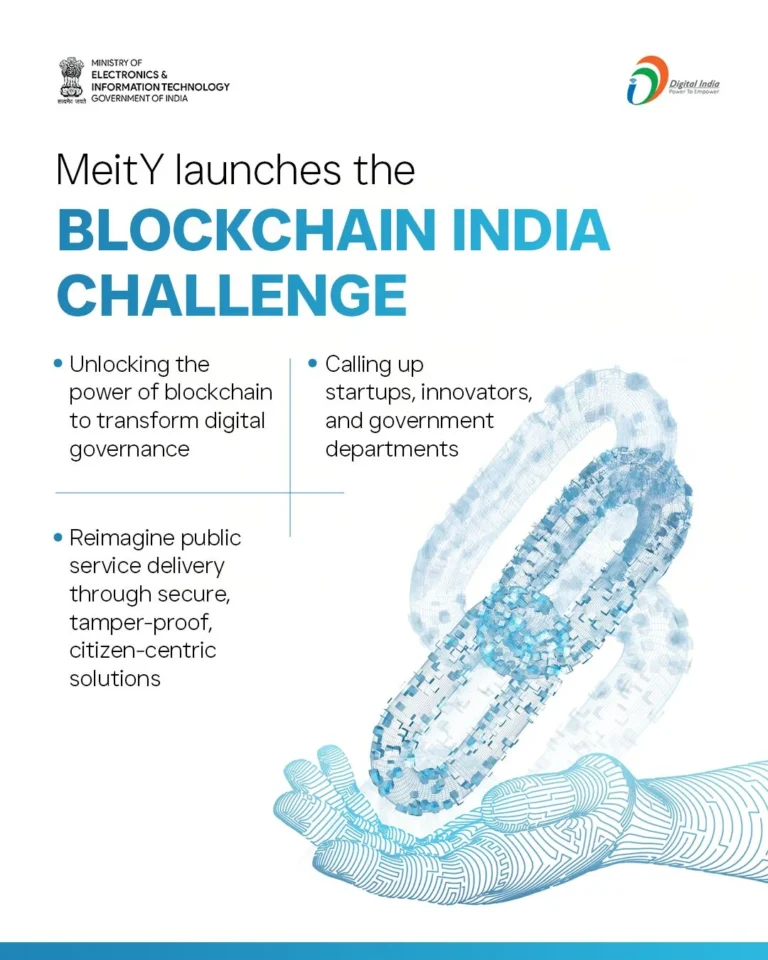
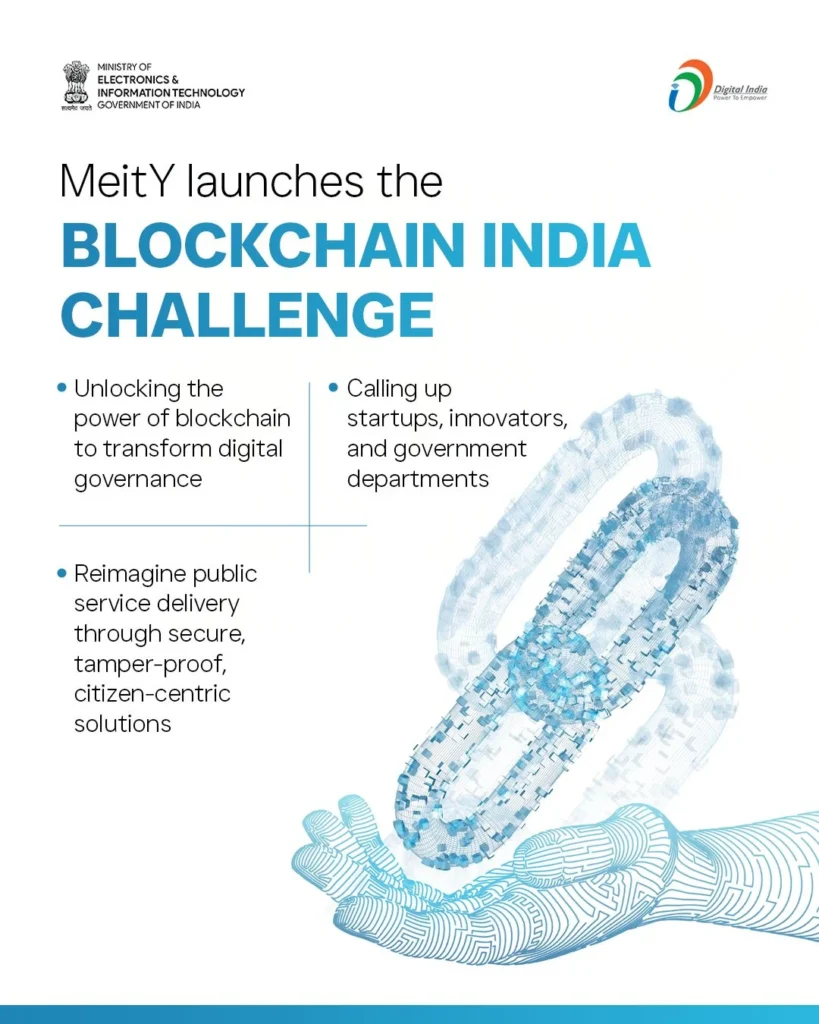
Blockchain India Challenge – Get Up to ₹50 Lakh
Ministry of Electronics and Information Technology (MeitY), Government of India (implemented by Centre for Development of Advanced Computing – C-DAC)
₹6,550,000.00- Idea Stage, Prototype Stage, MVP Stage
- March 27, 2026
Blockchain India Challenge – Get Up to ₹50 Lakh
Ministry of Electronics and Information Technology (MeitY), Government of India (implemented by Centre for Development of Advanced Computing – C-DAC)
₹6,550,000.00- Idea Stage, Prototype Stage, MVP Stage
- March 27, 2026
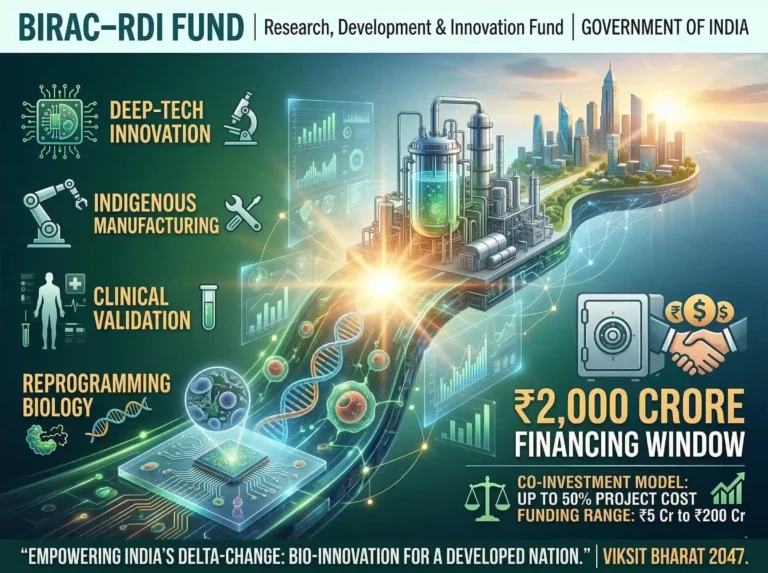
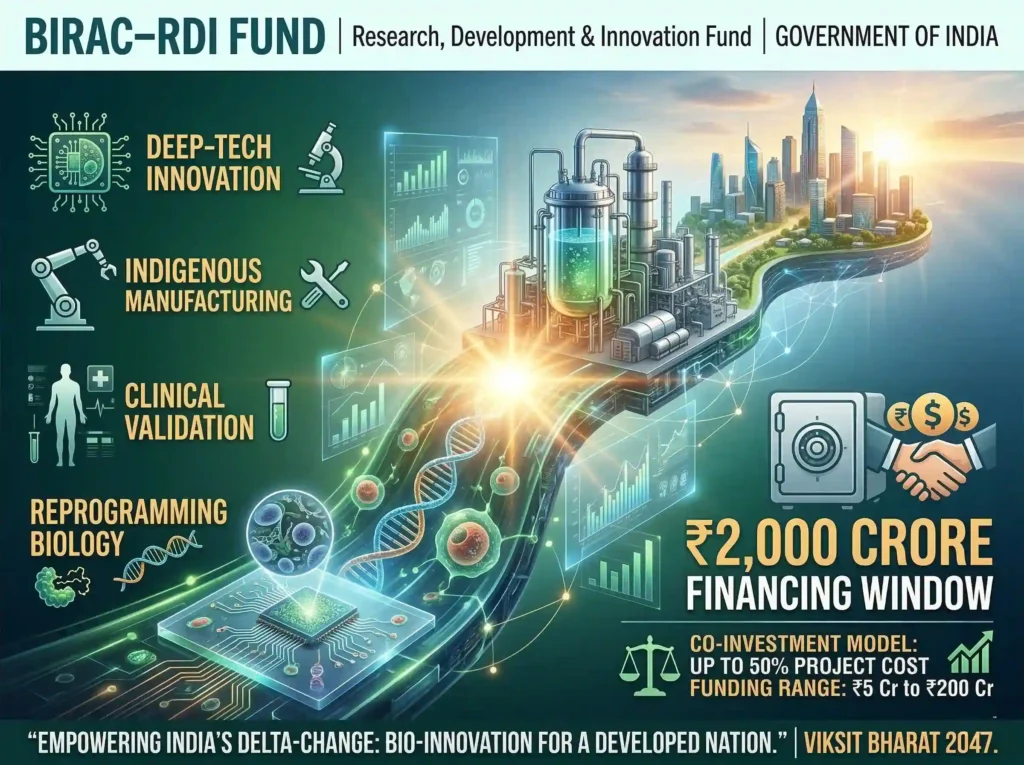
BIRAC–RDI Fund – Research, Development and Innovation Fund
Delta Change Challenge for Biotech Innovation – Biotechnology Industry Research Assistance Council (BIRAC), under Department of Biotechnology (DBT)
₹2,000,000,000.00- MVP Stage, Early Revenue Stage, Growth Stage
- March 31, 2026
Al-Hind Air’s Challenges: The Reality Of Entering India’s High-Risk Aviation Sector
Despite government backing, Al-Hind Air faces brutal market realities that destroyed previous entrants. India’s aviation sector has graveyard of failed airlines—Jet Airways, Go First, Kingfisher—all crushed by debt, operational complexity, and competitive pressure.
The Capital Intensity Reality Check
Operating an airline demands massive upfront capital with years before profitability materializes:
Typical New Airline Economics: 💸
Aircraft acquisition/leasing: ₹500-1000 crore per aircraft annually (5-10 aircraft minimum for viability)
Airport infrastructure: ₹50-100 crore for ground operations setup
Regulatory compliance: ₹20-30 crore for initial certifications and safety infrastructure
Operational runway: 2-3 years before break-even feasible under ideal conditions
Total required capital exceeds ₹1000+ crores—and profitability remains uncertain. Al-Hind Air must secure serious backing to survive this capital-intensive phase.
Operational Excellence Demands In Competitive Market
Al-Hind Air must achieve operational excellence matching or exceeding incumbents from day one:
Critical Success Factors:
On-time performance: Must exceed 85% within first 6 months
Mechanical reliability: Near-zero unscheduled downtimes
Crew training excellence: Superior training reducing human-factor incidents
Customer service: Differentiated experience justifying premium positioning or market share growth
Single major operational incident—like IndiGo’s December crisis—could trigger catastrophic brand damage.
Pricing Pressure From Entrenched Competitors
IndiGo’s 65% market share enables predatory pricing crushing new entrants:
Competitive Weapons:
Dumping prices: IndiGo can reduce fares below cost on Al-Hind Air’s routes temporarily
Capacity flooding: Shift aircraft to Al-Hind Air’s routes, overwhelming demand
Brand preference: Deep customer loyalty captured over years of dominance
Al-Hind Air’s survival depends on serving underserved segments where IndiGo doesn’t compete directly.

Conclusion: Al-Hind Air Signals Aviation Transformation Beginning ✈️
Al-Hind Air’s NOC approval represents a pivotal moment—the government finally prioritizing aviation market health over incumbent protection. Combined with Shankh Air (Q1 2026) and FlyExpress approvals, India’s airline industry enters genuine competitive transformation after years of duopoly dominance.
Success requires Al-Hind Air, Shankh Air, and FlyExpress to execute flawlessly while maintaining financial discipline. Yet even partial success—capturing 5-10% market share—meaningfully reduces incumbent concentration and improves passenger experience through genuine competition. This competitive reality alone justifies government’s approval decisions, making Al-Hind Air’s entry valuable regardless of ultimate profitability outcomes.
At StartupMandi, we recognize that Al-Hind Air represents exemplary aviation startup strategy—entering concentrated markets through differentiation rather than scale replication. Explore our comprehensive competitive strategy guide covering market entry, positioning against entrenched incumbents, and sustainable scaling. Discover our detailed aviation sector analysis evaluating startup opportunities in transport and logistics.
For aviation entrepreneurs and investors evaluating market opportunities, Al-Hind Air models the realistic approach to industry disruption—regional focus, operational excellence, and patient capital deployment. Visit our complete startup positioning guide covering differentiation strategies in capital-intensive sectors. Connect with our aviation industry advisors developing strategies for sustainable competitive entry.
Frequently Asked Questions About Al-Hind Air
Q1: When will Al-Hind Air actually start flight operations?
Al-Hind Air’s operational timeline remains under regulatory review. However, based on historical precedents and government statements, realistic launch timing appears mid-to-late 2026 after aircraft delivery, crew training, and regulatory certifications complete. Shankh Air (more advanced in preparations) targets Q1 2026, suggesting Al-Hind Air follows 4-6 months later.
Q2: What routes will Al-Hind Air operate initially?
While specific routes aren’t publicly announced, Al-Hind Air will likely focus on secondary city connections and underserved metropolitan routes where IndiGo and Air India neglect demand. Tier-2 cities like Ahmedabad, Jaipur, Lucknow, and regional connections offer profitability without direct incumbency competition.
Q3: How will Al-Hind Air compete with IndiGo’s pricing dominance?
Al-Hind Air cannot compete on price given IndiGo’s 65% scale advantage. Instead, differentiation strategies include: superior customer service, regional specialization, focused route networks (fewer routes but better frequencies), community building through regional focus.
Q4: Is Al-Hind Air financially backed adequately for 2-3 year runway?
The Alhind Group’s travel and hospitality experience suggests business acumen, but specific financial backing details remain unannounced. Industry expertise suggests ₹1000+ crore required minimum—whether Alhind Group possesses this is unclear from public information.
Q5: What’s Al-Hind Air’s probability of success versus historical airline failures?
Al-Hind Air faces legitimate risks, yet advantages over failed predecessors: (1) government support for market diversification, (2) UDAN model proving small-scale viability, (3) entry timing when demand surges, (4) three new competitors distributing competitive pressure. Success probability estimates 40-50% realistic—better than typical startups but aviation-inherent risks remain significant.
Referring Blog / Fact Source
- NDTV: Al Hind, FlyExpress—Centre Okays 2 New Airlines To Break Aviation Duopoly
- Times of India: Shankh Air Expected To Begin Operations In 2026—2 New Carriers Get NOCs
- The Hindu: After IndiGo Crisis—Aviation Ministry Gives Nod To Two New Indian Airlines
- Economic Times: Civil Aviation Ministry Approves New Airlines—Market Competition
- DGCA Official: Directorate General Civil Aviation—Regulatory Information & Compliance
Mariyam Bandookwala
i am a professional content writer with a strong focus on clarity, strategy, and audience engagement—helping brands communicate smarter and grow faster.