

Facebook advertising continues to evolve rapidly. However, achieving exceptional performance requires more than just boosting posts. Consequently, this comprehensive guide reveals proven strategies to maximize your Facebook ads performance in 2026. Moreover, you’ll discover expert techniques to reduce costs while increasing conversions and return on ad spend (ROAS).
Summary in Short: Facebook Ads Performance 2026 hinges on three pillars: sharp targeting, strong creatives, and accurate tracking. The blog explains how to use core, custom, and lookalike audiences alongside Meta’s Advantage+ automation to reach high-intent users more efficiently. It also highlights the importance of continuous creative testing, regular ad refreshes, and video content to combat fatigue and lift engagement, while Meta Pixel, conversion tracking, and smart bidding ensure every rupee spent is measured and optimized for higher ROAS and sustainable growth.
Understanding Facebook Ads Benchmarks for 2026
Before optimizing campaigns, understanding industry benchmarks helps set realistic expectations. Therefore, knowing where your campaigns stand compared to competitors becomes crucial for strategic planning.
Key Performance Metrics to Monitor
The average cost per click (CPC) across industries stands at approximately $0.70 in 2026. Meanwhile, cost per thousand impressions (CPM) averages around $13.57. Furthermore, click-through rates (CTR) typically hover around 0.90%, though this varies significantly by industry. These benchmarks provide a foundation for measuring campaign success.
Conversion-focused campaigns should track cost per action (CPA), which averages $18.68. Additionally, achieving a ROAS between 1.5 and 2.0 indicates solid performance. Meanwhile, ROAS values between 3 and 4 represent excellent results for most industries. Therefore, tracking these metrics consistently enables data-driven optimization decisions.
Industry-Specific Performance Variations
Performance metrics vary considerably across different sectors. For instance, the clothing and accessories industry achieves the highest average CTR at 1.72%. Conversely, the food and drink sector shows the lowest CTR at 0.88%. Similarly, CPM ranges from $5 to $11 across most industries. Understanding these variations helps set appropriate campaign goals.
Mastering Advanced Targeting Strategies
Effective targeting separates successful campaigns from budget-draining failures. Therefore, implementing sophisticated audience strategies becomes essential for 2026 success.
- Subscribe Now This product has multiple variants. The options may be chosen on the product page
- USD: $ 99.98
- Subscribe Now This product has multiple variants. The options may be chosen on the product page
- Subscribe Now This product has multiple variants. The options may be chosen on the product page
- Subscribe Now This product has multiple variants. The options may be chosen on the product page
- Select options This product has multiple variants. The options may be chosen on the product page
- USD: $ 749.98 - $ 4,916.65
- Subscribe Now This product has multiple variants. The options may be chosen on the product page

- Subscribe Now This product has multiple variants. The options may be chosen on the product page
- Subscribe Now This product has multiple variants. The options may be chosen on the product page
- USD: $ 6.65
Leveraging Core Audience Targeting
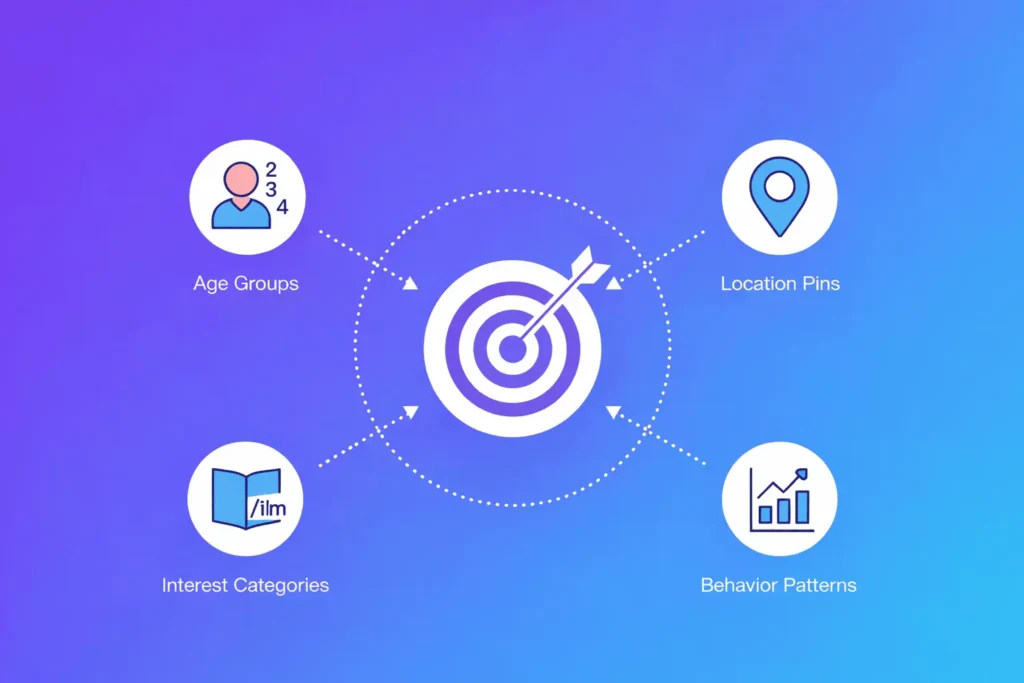
Core audiences utilize Facebook’s built-in demographic and interest data effectively. Specifically, you can target based on age, gender, location, education, and job titles. Additionally, interest targeting allows reaching users based on hobbies, favorite brands, and lifestyle preferences. Furthermore, behavioral targeting focuses on purchase habits, device usage, and travel patterns.
Creating detailed audience segments increases ad relevance and reduces wasted spend. Moreover, combining multiple targeting criteria using AND logic narrows audiences to high-intent segments. For example, targeting users who like both running AND yoga ensures only dual-interest prospects see your ads. Consequently, this precision targeting improves conversion rates while lowering costs.
Implementing Custom and Lookalike Audiences
Custom audiences enable retargeting website visitors, email subscribers, and engaged social media users. Specifically, install the Meta Pixel to track visitor behavior and build remarketing campaigns. Additionally, lookalike audiences expand reach by finding users similar to your best customers. This strategy leverages Meta’s AI to identify high-value prospects automatically.
Expanding lookalike models involves increasing seed audience size or using different audience types. Furthermore, testing lookalikes at various similarity percentages (1% to 10%) helps balance reach and precision. Therefore, start with highly similar audiences, then gradually expand as campaigns mature.
Utilizing Advantage+ Audience Automation
Meta’s Advantage+ campaigns leverage AI to automate targeting, creative testing, and budget allocation. Specifically, these campaigns reduce manual setup time while improving performance through machine learning. Moreover, brands using Advantage+ Shopping campaigns achieved 12% lower cost per action and 15% higher ROAS on average.
However, combining automation with manual oversight produces optimal results. Additionally, feeding the algorithm sufficient creative variations (20-50 assets) enables proper testing. Furthermore, monitoring weekly performance reports ensures automation aligns with campaign goals. Therefore, balance AI-driven efficiency with strategic human judgment.
Optimizing Creative Assets for Maximum Impact
Creative quality determines campaign success more than any other factor. Indeed, research shows creativity accounts for 56% of advertising ROI. Therefore, investing in compelling visuals and messaging dramatically improves performance.
Testing Creative Variations Systematically
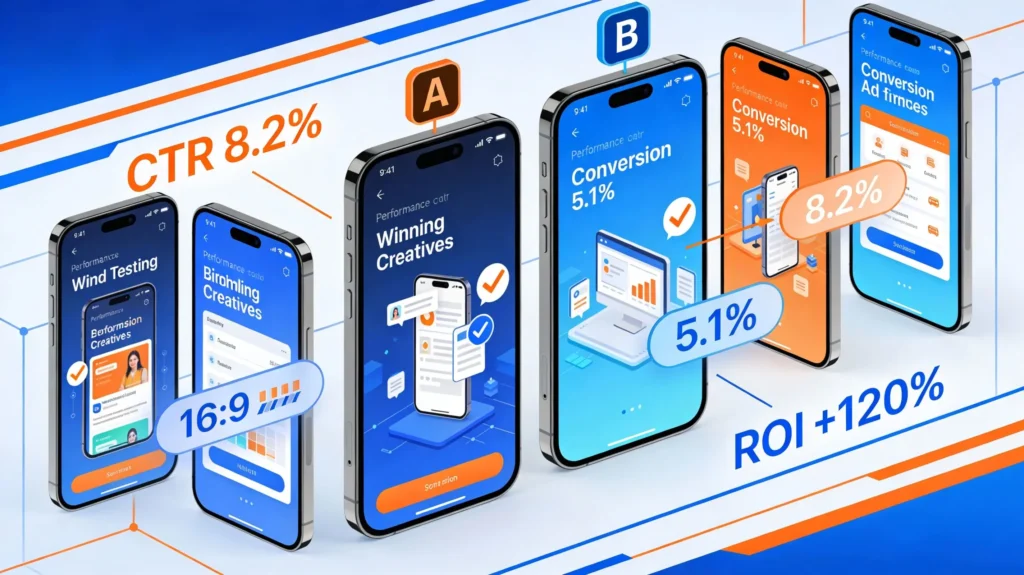
Systematic creative testing reveals what resonates with target audiences. Specifically, test 3-6 creative variations initially before scaling to larger volumes. Additionally, isolate single variables (headline, image, or CTA) to identify performance drivers clearly. Moreover, avoid testing radically different formats together, as this creates unfair comparisons.
Video content generates significantly higher engagement than static images. Specifically, videos capture attention more effectively and communicate product benefits clearly. Furthermore, testing different video lengths (6 seconds, 15 seconds, 30 seconds) identifies optimal duration for specific audiences. Therefore, incorporate video testing into every campaign strategy.
Combating Ad Fatigue Through Creative Rotation
Frequent creative rotation prevents audience fatigue and maintains strong engagement. Specifically, introducing fresh creatives keeps campaigns performing consistently over time. Additionally, Meta’s algorithm favors accounts that continuously supply new creative inputs. Moreover, this approach accelerates learning phases and improves delivery efficiency.
Plan creative refreshes every 2-3 weeks to maintain performance levels. Furthermore, monitor frequency metrics to identify when audiences see ads too often. Additionally, when frequency exceeds 3-4 impressions per user, performance typically declines. Therefore, proactive creative rotation prevents cost increases and engagement drops.
Leveraging Dynamic Creative Optimization
Dynamic creative allows Facebook to automatically generate combinations from multiple headlines, images, and texts. Specifically, this feature tests up to 150 creative combinations simultaneously. Moreover, the algorithm identifies top-performing combinations and allocates budget accordingly. However, this sacrifices granular insight into which specific elements drive success.
Implementing Conversion Tracking and Measurement
Accurate tracking forms the foundation of effective optimization. Therefore, implementing robust measurement systems enables data-driven decisions and continuous improvement.
Installing and Configuring Meta Pixel
The Meta Pixel tracks website visitors and measures conversion events accurately. Specifically, install the pixel code in your website’s header section before launching campaigns. Additionally, configure standard events (Add to Cart, Purchase) or custom events for specific actions. Moreover, enable Automatic Advanced Matching to improve tracking accuracy.
Verify pixel installation using the Meta Pixel Helper Chrome extension. Furthermore, check the Events Manager to confirm events fire correctly. Additionally, creating custom conversions based on URL patterns enables tracking specific conversion types. Therefore, invest time in proper pixel setup before spending significant ad budgets.
Setting Up Conversion Tracking Properly
Define clear conversion goals aligned with business objectives. Specifically, track actions that generate genuine business value, not just vanity metrics. Additionally, assign monetary values to conversions for accurate ROAS calculations. Moreover, Facebook requires 15-25 conversions weekly for effective campaign optimization.
Implement Google Tag Manager alongside Meta Pixel for comprehensive tracking. Furthermore, this combination provides backup data and enables advanced event tracking. Additionally, use the Conversions API to capture server-side events that pixels might miss. Therefore, multi-layered tracking ensures data accuracy and campaign optimization effectiveness.
Analyzing Performance Data Effectively
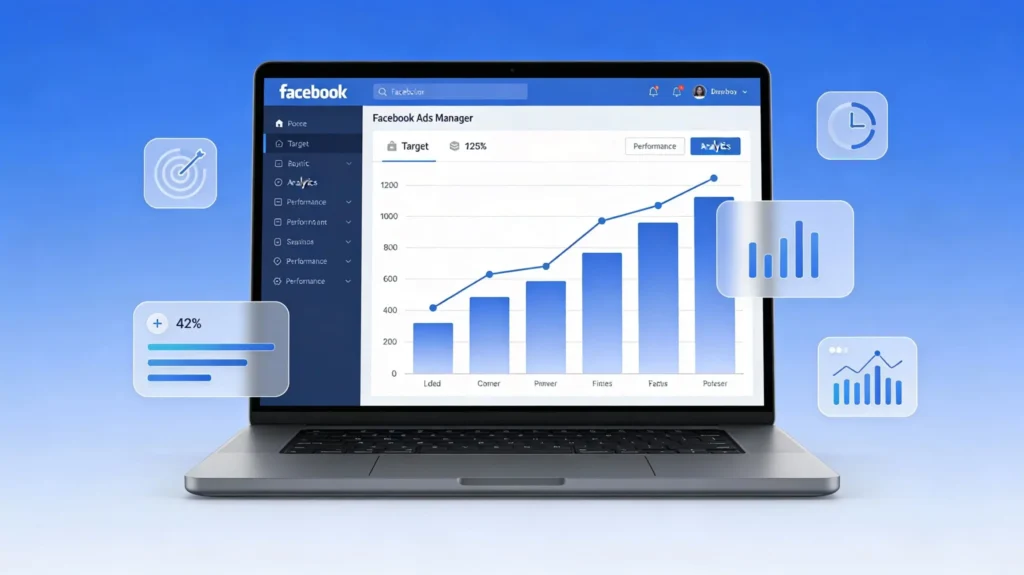
Regular performance analysis identifies optimization opportunities quickly. Specifically, review key metrics (CTR, CPC, ROAS) daily during campaign launch phases. Additionally, analyze demographic breakdowns to identify top-performing audience segments. Moreover, use frequency data to detect creative fatigue before performance declines.
Create custom column sets in Ads Manager to streamline reporting. Furthermore, compare performance against industry benchmarks to gauge relative success. Additionally, track metrics throughout the customer journey from impressions to conversions. Therefore, comprehensive analysis reveals exactly where campaigns succeed or struggle.

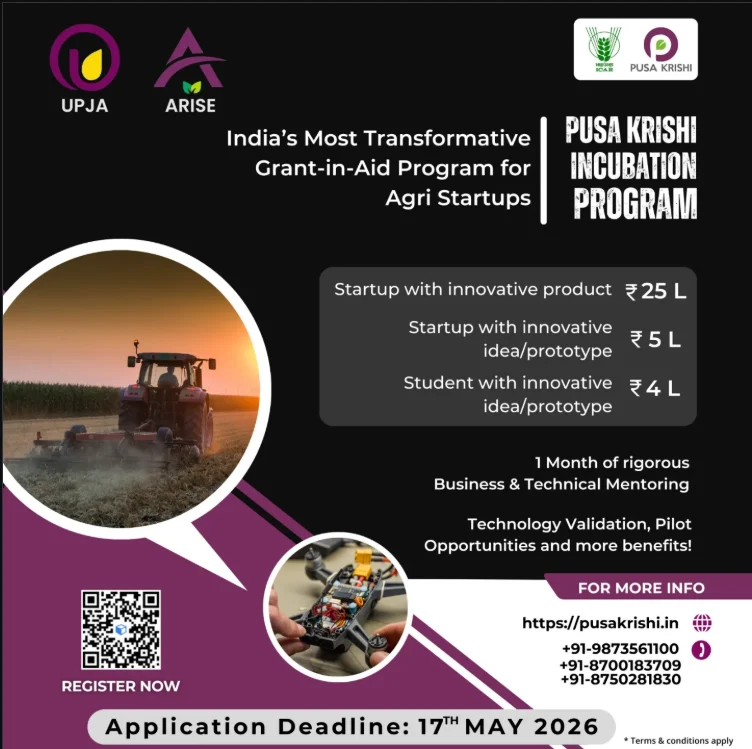

UPJA 2026 — Pusa Krishi Incubation Program
UPJA 2026 | Pusa Krishi, ICAR-IARI
₹2,500,000.00- Early Revenue Stage, Growth Stage
- May 17, 2026
UPJA 2026 — Pusa Krishi Incubation Program
UPJA 2026 | Pusa Krishi, ICAR-IARI
₹2,500,000.00- Early Revenue Stage, Growth Stage
- May 17, 2026
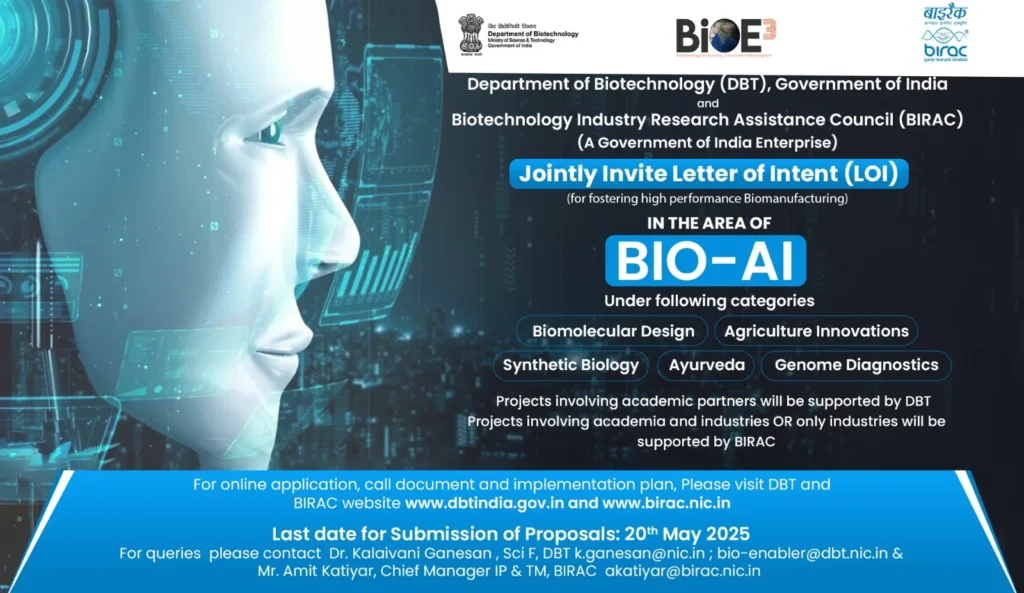
DBT–BIRAC Joint Call for Proposals on “Bio-AI” – Upto ₹25CR – under India’s BioE3 Policy
Enabling Bio-AI for High Performance Biomanufacturing | Department of Biotechnology (DBT), Government of India & Biotechnology Industry Research Assistance Council (BIRAC)
₹250,000,000.00- Prototype Stage, MVP Stage, Early Revenue Stage, Growth Stage
- June 30, 2026
Optimizing Budget and Bidding Strategies
Strategic budget management maximizes results from every advertising dollar. Therefore, implementing smart bidding and budget allocation strategies becomes essential for profitability.
Choosing the Right Bidding Strategy
Different bidding strategies serve different campaign objectives effectively. Specifically, cost per click (CPC) bidding works well for driving website traffic. Additionally, cost per impression (CPM) bidding suits brand awareness campaigns. Moreover, cost per action (CPA) bidding optimizes for conversions and leads directly.
Test multiple bidding strategies to identify optimal approaches for specific goals. Furthermore, consider campaign budget optimization (CBO) to let Facebook distribute budgets automatically. Additionally, CBO shifts spending toward best-performing ad sets in real-time. Therefore, allowing algorithmic budget allocation often improves overall campaign efficiency.
Implementing Dynamic Budget Optimization
Dynamic budget optimization automates spending allocation across ad sets based on performance. Specifically, this prevents wasted budget on underperforming segments while maximizing winning combinations. Additionally, start with 3-5 diverse ad sets to enable effective budget distribution. Moreover, avoid changing campaigns during the first 3-5 days while algorithms learn.
Scale budgets gradually by increasing 10-20% every few days to maintain stability. Furthermore, aggressive budget increases often trigger learning phases and performance drops. Additionally, monitor automated budget distribution to ensure spending aligns with priorities. Therefore, combine automation with strategic oversight for optimal results.
Testing the Fast Takeoff Method
The Fast Takeoff Method involves spending higher daily budgets initially to accelerate data collection. Specifically, this approach enables faster optimization by generating sufficient conversion data quickly. Additionally, this strategy works well when launching new campaigns without historical data. Moreover, vigilant monitoring ensures budgets stay aligned with performance goals.
Leveraging Automation and AI Features
Meta’s AI-powered tools significantly improve campaign efficiency and performance. Therefore, strategically implementing automation features saves time while boosting results.
Understanding Advantage+ Shopping Campaigns
Advantage+ Shopping campaigns automate creative testing, audience selection, and budget allocation. Specifically, these campaigns test up to 150 creative combinations simultaneously. Additionally, machine learning optimizes delivery to high-intent audiences automatically. Moreover, this reduces setup time while improving ad efficiency for performance-focused advertisers.
Supply diverse creative assets to maximize Advantage+ effectiveness. Furthermore, the algorithm requires variety to identify winning combinations accurately. Additionally, combine Advantage+ automation with manual campaigns for comprehensive funnel coverage. Therefore, use automation strategically rather than exclusively for balanced performance.
Setting Up Auto-Optimization Rules
Auto-optimization rules automatically adjust campaigns based on performance triggers. Specifically, create rules to pause ads when CPC exceeds target thresholds. Additionally, implement rules to increase budgets when campaigns hit impression targets. Moreover, automated adjustments save time while preventing budget waste on poor performers.
Monitor automated rules regularly to ensure they function as intended. Furthermore, rules complement rather than replace manual campaign management. Additionally, combine multiple rule types to create comprehensive optimization systems. Therefore, strategic automation improves efficiency without sacrificing strategic control.
| Strategy | Primary Benefit | Best For |
|---|---|---|
| Advantage+ Campaigns | Automated optimization at scale | E-commerce and high-volume advertisers |
| Custom Audiences | Precise retargeting | Converting warm leads |
| Lookalike Audiences | Efficient prospecting | Audience expansion |
| Creative Testing | Improved engagement | All campaign types |
| Meta Pixel Tracking | Accurate measurement | Conversion optimization |
| Dynamic Budget Optimization | Smart spend allocation | Multi-ad set campaigns |
Building Full-Funnel Campaign Strategies
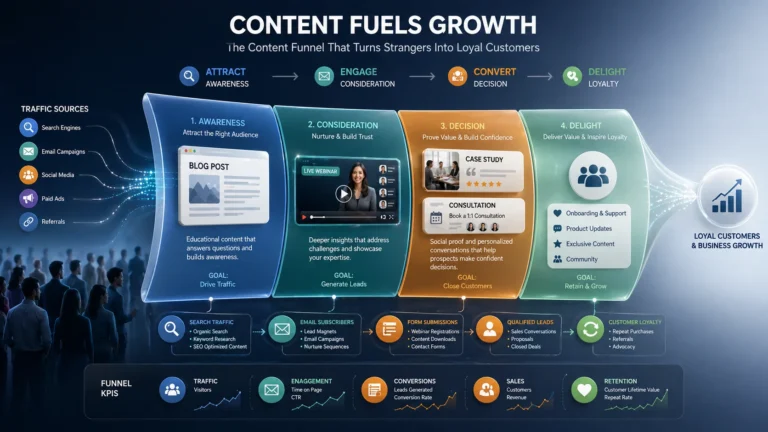
Comprehensive funnel strategies nurture prospects from awareness through conversion effectively. Therefore, implementing stage-specific campaigns improves overall marketing efficiency.
Targeting Top-of-Funnel Audiences
Top-of-funnel campaigns build brand awareness and drive initial website traffic. Specifically, use broad interest targeting and engaging video content to capture attention. Additionally, focus on metrics like reach, impressions, and video views at this stage. Moreover, test various messaging angles to identify what resonates with cold audiences.
Create content that educates rather than sells aggressively at the awareness stage. Furthermore, brand awareness videos perform better than direct response ads for cold traffic. Additionally, retarget video viewers for mid-funnel campaigns later. Therefore, top-funnel campaigns fuel the entire customer journey.
Converting Mid-Funnel Prospects
Mid-funnel campaigns target users considering options and gathering information. Specifically, show detailed product information and customer testimonials to warm prospects. Additionally, use custom audiences based on website visitors and video viewers. Moreover, lead generation forms capture prospect information efficiently at this stage.
Track engagement metrics like add-to-cart rates and landing page visits carefully. Furthermore, sequential retargeting shows progressive messages based on engagement levels. Additionally, exclude recent purchasers to prevent wasted impressions. Therefore, mid-funnel nurturing moves prospects toward conversion readiness.
Driving Bottom-of-Funnel Conversions
Bottom-funnel campaigns promote specific products and encourage purchase actions. Specifically, use conversion-optimized campaigns targeting high-intent audiences. Additionally, implement catalog sales for dynamic product ads featuring items users viewed. Moreover, create urgency through limited-time offers and countdown timers.
Optimize landing pages to match ad messaging and reduce friction. Furthermore, fast page loads, clear CTAs, and streamlined checkouts improve conversion rates directly. Additionally, add trust signals like reviews and security badges to build confidence. Therefore, conversion-focused optimization maximizes bottom-funnel campaign effectiveness.
Conclusion
Achieving better Facebook ads performance in 2026 requires strategic implementation of advanced techniques. Moreover, combining precise targeting, compelling creatives, and smart automation delivers exceptional results. Furthermore, continuous testing and data-driven optimization separate winning campaigns from costly failures. Therefore, implement these proven strategies systematically to maximize your advertising ROI.
Frequently Asked Questions (FAQs)
What is a good ROAS for Facebook ads in 2026?
A ROAS between 1.5 and 2.0 indicates solid performance for most industries. Additionally, achieving ROAS between 3 and 4 represents excellent results. However, acceptable ROAS varies by industry margins and business models. Therefore, calculate target ROAS based on profit margins and customer lifetime value.
How often should I refresh Facebook ad creatives?
Refresh creatives every 2-3 weeks to prevent ad fatigue and maintain engagement. Additionally, monitor frequency metrics to identify when audiences see ads too often. Moreover, when frequency exceeds 3-4 impressions per user, performance typically declines. Therefore, proactive creative rotation maintains consistent campaign performance.
What targeting strategy works best in 2026?
Combining core audiences, custom audiences, and lookalike audiences creates comprehensive targeting. Additionally, leverage Advantage+ automation for efficient prospecting. Moreover, test broad targeting alongside detailed segments to identify optimal approaches. Therefore, strategic targeting balances precision with sufficient reach for optimal performance.
How much budget do I need for Facebook ads?
Minimum daily budgets of $10-20 per ad set enable sufficient data collection. Additionally, allocate budgets based on campaign objectives and expected CPA. Moreover, the Fast Takeoff Method suggests higher initial budgets for faster optimization. Therefore, budget requirements depend on goals, industry, and testing needs.
Why is Meta Pixel important for Facebook ads?
Meta Pixel tracks website visitors and measures conversion events accurately. Additionally, it enables retargeting campaigns and lookalike audience creation. Moreover, proper tracking provides data for campaign optimization and ROAS measurement. Therefore, Meta Pixel forms the foundation of effective Facebook advertising.
Referring Sources
Nitesh Roy
Founder @ StartUpMandi. Working in various Domains since 2017. Like, Sales & Marketing, Web & App Development, Graphic Design, Digital Marketing, SEO, Business Development. Hobby: Research & Innovation, Photography, Travelling, Cooking.