Start careers in banking in 2026 with unprecedented opportunities in blockchain and fintech technology. India’s fintech sector alone projects 300,000+ new job creations by 2025. Moreover, the global fintech market expects to reach ₹7+ trillion by 2030 at 17% CAGR. Additionally, blockchain professionals currently earn 50-150% higher salaries than conventional tech roles.Â
Consequently, banking careers have transformed dramatically from traditional hierarchy-based roles. In short, traditional and fintech banking now converge at technology intersection points. Furthermore, blockchain integration creates entirely new career trajectories. Most importantly, understanding this evolution helps position yourself strategically. Beyond doubt, 2026 represents the critical inflection point. Thus, comprehensive career planning becomes absolutely essential today.
Key Points SummaryÂ
This authoritative guide covers everything about modern banking careers:
Traditional banking careers including regulatory compliance, risk management, core banking platforms, and treasury management expertise
Fintech and blockchain opportunities spanning developers, security specialists, project managers, analysts, and consultants with lucrative compensation
Hybrid skill requirements combining domain expertise with AI/ML, cloud infrastructure, APIs, cybersecurity, and digital onboarding capabilities
Technology platforms including Oracle solutions, Flexcube, Finacle, Temenos, and emerging blockchain ecosystems like Web3
Salary potential and growth with blockchain roles commanding premium compensation and exponential career advancement opportunities
UNDERSTANDING THE BANKING CAREER EVOLUTION
From Traditional Banking to Modern Fintech: The TransformationÂ
Traditional banking jobs once represented unquestionable career success symbols in Indian society. For decades, banking positions offered security, predictability, and social validation. However, this landscape shifts dramatically today. Fintech companies now reshape financial services faster than banks historically could. Moreover, blockchain technology fundamentally disrupts traditional banking models. Additionally, decentralized finance (DeFi) creates entirely new categories absent from conventional banking. Consequently, the single career path has splintered into multiple trajectories. Therefore, modern professionals must choose between traditional or fintech approaches strategically.
The BFSI Sector Expansion: Where Opportunities Lie
The Banking, Financial Services, and Insurance (BFSI) sector experiences unprecedented expansion. Banks invest heavily in digital transformation initiatives. Meanwhile, fintech startups attract billions in venture capital funding. Furthermore, regulatory frameworks increasingly accommodate blockchain-based financial services. Additionally, open banking infrastructure creates partnership opportunities between traditional and modern players. Therefore, this convergence generates massive employment opportunities simultaneously.
Why 2026 Represents a Critical Inflection Point
2026 marks the year when blockchain transitions from experimental to mainstream banking infrastructure. Gartner forecasts 75% of financial firms deploying AI/ML-powered platforms by 2026. Furthermore, regulatory frameworks solidify around crypto and blockchain globally. Additionally, infrastructure matures enabling mass adoption of digital financial services. Therefore, professionals entering in 2026 position themselves at the industry’s growth edge perfectly.

- Select options This product has multiple variants. The options may be chosen on the product page
Â
TRADITIONAL BANKING CAREER PATHS AND SKILL REQUIREMENTS
Core Banking Competencies Employers SeekÂ
Traditional banking roles require specialized knowledge of regulatory frameworks and risk management. Regulatory acumen proves absolutely critical for compliance functions. Professionals must understand Basel III, IFRS9, and FATCA requirements thoroughly. Furthermore, credit risk, operational risk, and market risk management demand specialized expertise. Additionally, customer relationship management skills prove essential across retail and corporate banking. Most importantly, core banking platform proficiency (Flexcube, Finacle, Temenos) remains non-negotiable.
Successful traditional banking professionals combine:
Financial analysis and reporting using Excel and legacy MIS systems extensively
Treasury management handling forex, investments, and interest rate strategies
Trade finance and correspondent banking expertise particularly for international operations
Branch and operations management including KYC compliance and audit readiness
Credit appraisal and loan processing fundamentals across retail and MSME segments
Why Traditional Banking Still Matters
Despite fintech disruption, traditional banking provides unmatched stability and scale. Large organizations offer structured career progression and comprehensive benefits. Furthermore, regulatory requirements ensure continuous demand for compliance expertise. Additionally, institutional-grade security demands attract risk-conscious professionals. Therefore, traditional banking remains viable for security-focused career builders.
The Regulatory and Compliance EdgeÂ
Regulatory professionals command premium compensation reflecting their expertise value. Banks cannot function without robust compliance frameworks. Furthermore, regulators continuously evolve requirements creating permanent demand. Additionally, international banking requires specialists in multiple regulatory jurisdictions. Therefore, compliance expertise creates recession-resistant career security.
BLOCKCHAIN AND FINTECH CAREERS: THE FUTURE LANDSCAPE
Top Emerging Blockchain Job Roles in 2026Â
Blockchain developer positions represent the most in-demand blockchain career currently. These professionals design, build, and maintain blockchain applications and smart contracts. Furthermore, blockchain developers earn significantly higher salaries than conventional IT professionals. Many finance, gaming, and logistics companies compete aggressively for blockchain talent. Web3 ecosystem development depends entirely on skilled developers. Therefore, blockchain development offers exceptional career prospects.
Blockchain Security Specialist roles command premium compensation reflecting criticality. Data and transaction security remains paramount in blockchain systems. Furthermore, hacking prevention and system safety require specialized expertise. Additionally, businesses invest heavily protecting blockchain infrastructure. Most importantly, security specialists prevent catastrophic breaches worth millions. Therefore, this role combines high impact with premium compensation.
Blockchain Project Manager positions bridge technical and business requirements seamlessly. Managing complex blockchain implementations demands specialized expertise. Furthermore, communicating technical concepts in business language proves essential. Additionally, ensuring on-time project completion balances competing priorities. Therefore, project managers become invaluable across blockchain organizations.
Blockchain Analyst roles involve evaluating blockchain applications and enhancing business processes. Professionals provide strategic recommendations improving operational efficiency. Furthermore, trend analysis helps organizations stay competitive. Additionally, fraud detection capabilities generate immediate value. Therefore, analytical skills translate directly to organizational impact.
Blockchain Consultant positions offer the highest earning potential among blockchain careers. Consultants advise companies on blockchain strategy and implementation. Furthermore, identifying problems blockchain can solve creates business value. Additionally, training teams and evaluating projects generates substantive impact. Therefore, consulting offers both financial rewards and strategic influence.
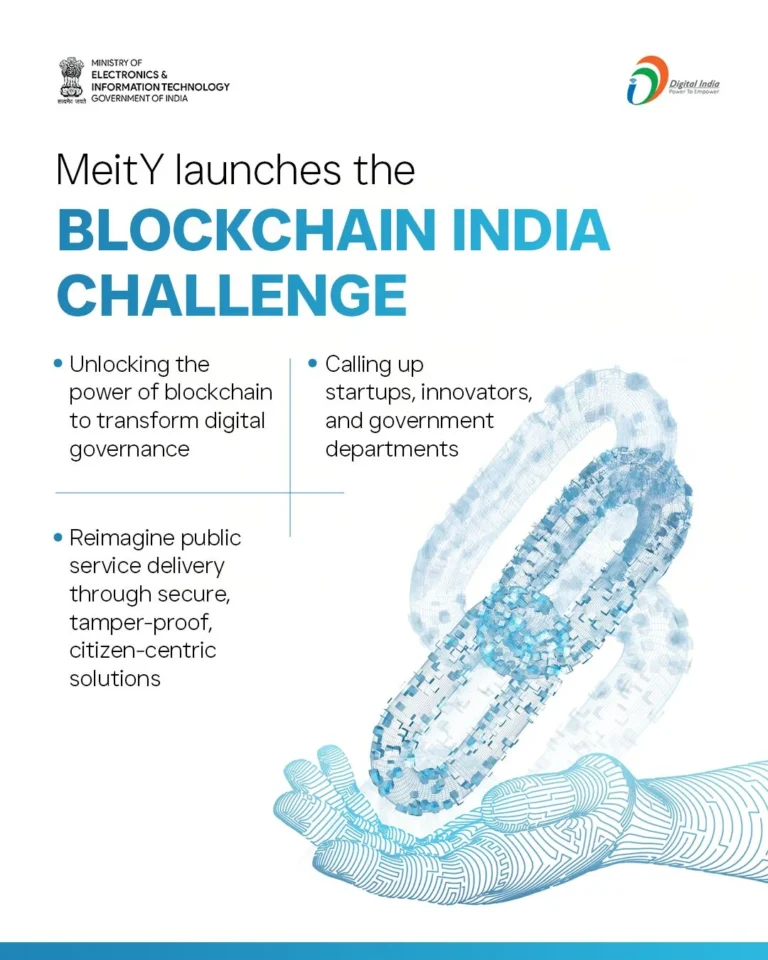
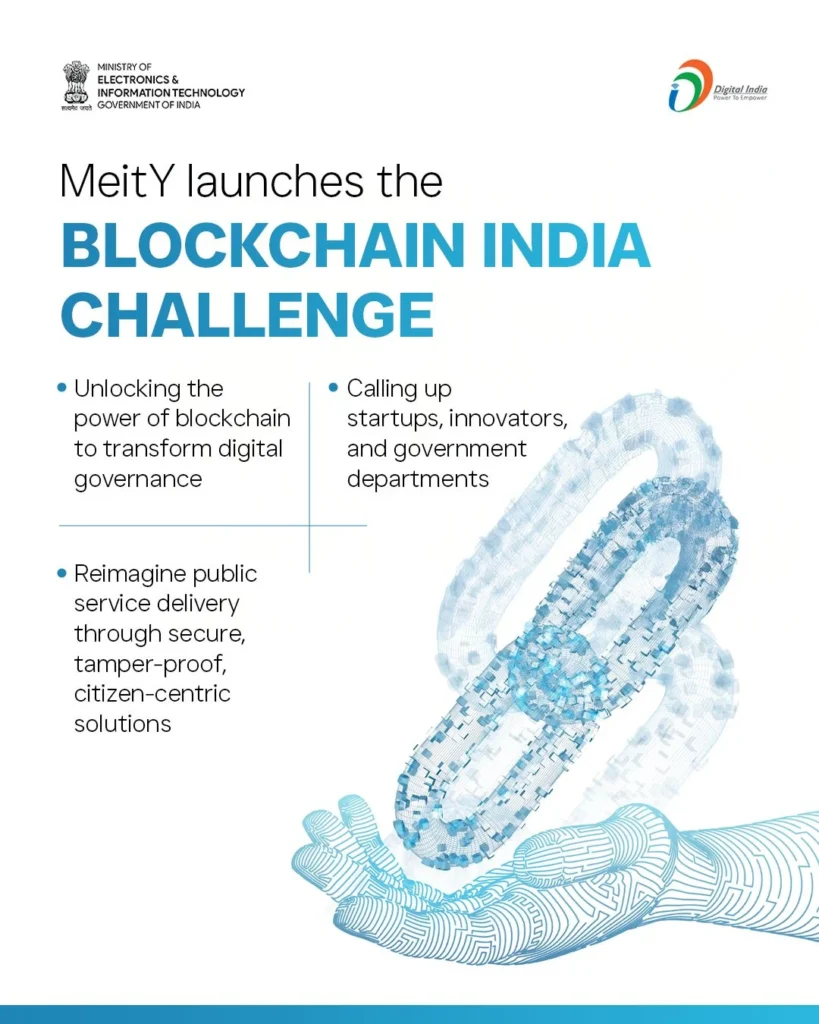
Blockchain India Challenge – Get Up to ₹50 Lakh
Ministry of Electronics and Information Technology (MeitY), Government of India (implemented by Centre for Development of Advanced Computing – C-DAC)
₹6,550,000.00- Idea Stage, Prototype Stage, MVP Stage
- March 27, 2026
Blockchain India Challenge – Get Up to ₹50 Lakh
Ministry of Electronics and Information Technology (MeitY), Government of India (implemented by Centre for Development of Advanced Computing – C-DAC)
₹6,550,000.00- Idea Stage, Prototype Stage, MVP Stage
- March 27, 2026
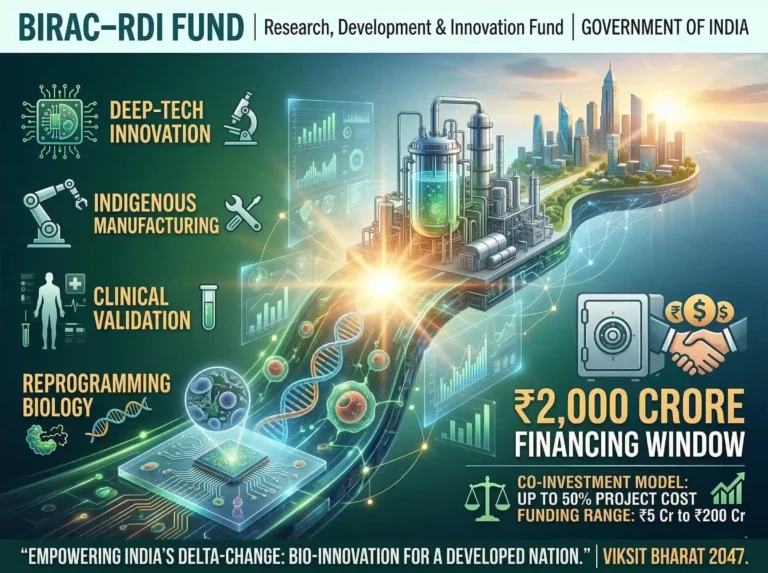
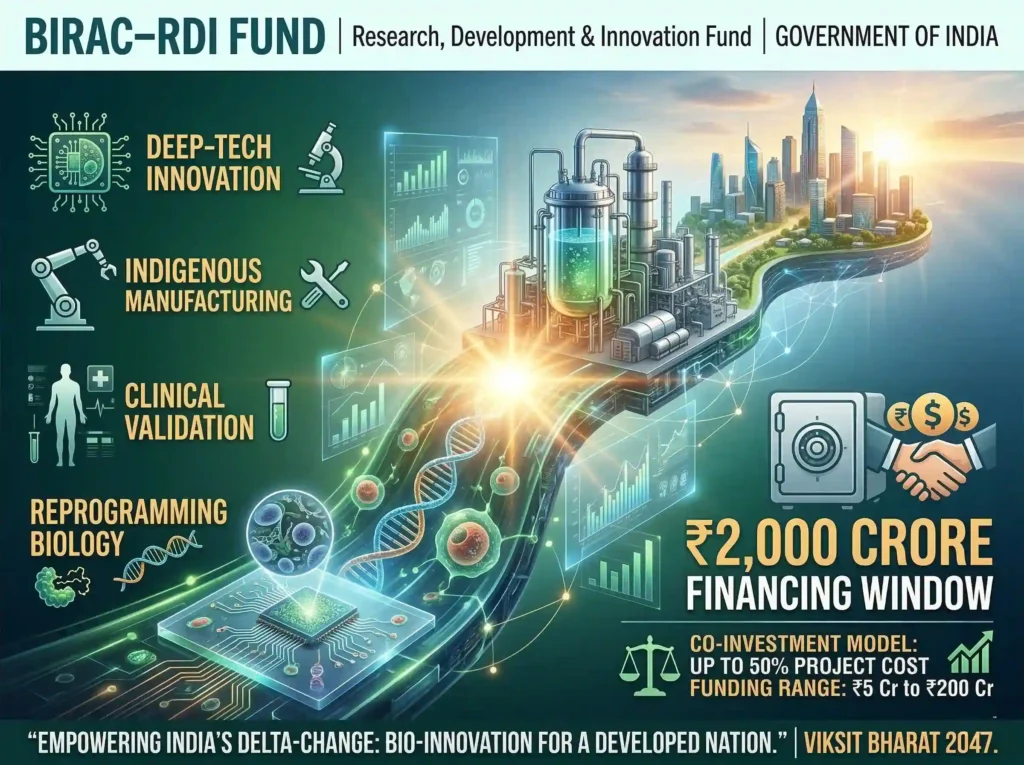
BIRAC–RDI Fund – Research, Development and Innovation Fund
Delta Change Challenge for Biotech Innovation – Biotechnology Industry Research Assistance Council (BIRAC), under Department of Biotechnology (DBT)
- MVP Stage, Early Revenue Stage, Growth Stage
- March 31, 2026
Salary Comparison: Traditional vs Blockchain Roles
| Role Category | Traditional Banking | Fintech/Blockchain | Premium % |
|---|---|---|---|
| Entry Level | ₹4-6 LPA | ₹8-12 LPA | 50-100% |
| Mid Level | ₹10-15 LPA | ₹18-25 LPA | 80-150% |
| Senior Level | ₹20-30 LPA | ₹35-50+ LPA | 75-166% |
| C-Suite | ₹50+ LPA | ₹75+ LPA | 50-100% |
Critical Skills for Blockchain Career SuccessÂ
Blockchain professionals require deep technical competencies across multiple platforms. Python, Node.js, Java, and Kubernetes proficiency prove essential. Furthermore, API development and microservices architecture knowledge distinguishes elite developers. Additionally, cloud infrastructure mastery (AWS, Azure, Oracle Cloud) enables scalable solutions. Most importantly, smart contract development represents the most lucrative blockchain specialization.
Beyond technical skills, soft skills prove equally critical. Emotional intelligence, storytelling, and collaboration abilities differentiate leaders. Furthermore, the ability to navigate ambiguity and lead through uncertainty becomes increasingly valuable. Additionally, prompt engineering and AI-assisted workflow optimization represent emerging differentiators. Therefore, human-centered skills combined with technical proficiency creates maximum value.
The Fintech Revolution: Disrupting Traditional BankingÂ
Global fintech market reaches $882 billion by 2030, demonstrating massive scale. Fintech companies operate with agility impossible in traditional institutions. Speed to market, innovation cycles, and customer-centricity define fintech culture. Furthermore, teams remain cross-functional without rigid hierarchies. Additionally, failure tolerance and experimentation mindset permeate organizations. Therefore, fintech attracts entrepreneurial professionals seeking dynamic environments.
However, fintech convergence with traditional banking creates hybrid opportunities. Modern banks employ blockchain engineers and fintech specialists. Furthermore, startups hire seasoned compliance officers and risk managers. Additionally, the lines between traditional and modern blur continuously. Therefore, hybrid expertise becomes increasingly valuable across sectors.
Conclusion: Your Banking Career Blueprint for 2026
Start careers in banking in 2026 by understanding the convergence of traditional banking and blockchain technology. With 300,000+ projected fintech jobs in India and global market expansion, opportunities abound. Most importantly, choosing your specialization determines your career trajectory completely. Traditional banking offers stability, scale, and regulatory expertise paths. Blockchain and fintech careers provide premium compensation, innovation, and entrepreneurial satisfaction. However, hybrid skills combining both domains create maximum optionality. Therefore, build expertise across traditional banking fundamentals while developing blockchain and fintech capabilities. Consider pursuing formal qualifications like MCA Blockchain specializations or Oracle certification programs. Additionally, continuous learning remains non-negotiable as technology evolves rapidly. Most critically, develop soft skills alongside technical expertise for maximum impact. Your career success in 2026 depends on strategic positioning today.
Frequently Asked Questions:
What qualifications do I need to start a banking career in 2026?
For traditional banking, bachelor’s degrees in commerce, finance, or economics suffice initially. MCA, MBA Finance, or specialized certifications like CFA accelerate career progression. For blockchain careers, MCA Blockchain specialization or computer science degrees provide ideal foundations. Additionally, Oracle certifications, AWS cloud certifications, and blockchain-specific credentials boost employability significantly. Most importantly, continuous learning through online courses and certifications proves equally valuable as formal degrees.
Which is more lucrative: traditional banking or blockchain/fintech careers?
Blockchain and fintech roles command 50-150% higher salaries than traditional banking equivalents. Entry-level blockchain developers earn ₹8-12 LPA versus ₹4-6 LPA in banking. Mid-career blockchain professionals reach ₹18-25 LPA while bankers earn ₹10-15 LPA. Senior blockchain consultants command ₹35-50+ LPA versus ₹20-30 LPA in banking. However, traditional banking offers superior job security and comprehensive benefits. Therefore, choose based on personal priorities: financial maximization versus stability.
Should I specialize in traditional banking or pivot toward fintech/blockchain?
This depends entirely on your risk tolerance and innovation appetite. Traditional banking suits those prioritizing security and predictability. Fintech careers attract entrepreneurial professionals comfortable with uncertainty. Blockchain specialization offers both financial reward and technological frontier exploration. Ideally, develop hybrid expertise enabling flexibility. Start with traditional banking fundamentals for grounding, then add blockchain specialization for optionality. This dual capability makes you exceptionally valuable across organizations.
What soft skills matter most alongside technical expertise in banking/blockchain careers?
Emotional intelligence, storytelling, and collaboration ability differentiate leaders from specialists. Professionals who communicate technical concepts in business language command premium compensation. Additionally, comfort with ambiguity and learning agility become increasingly critical. Most importantly, empathy toward end users drives customer-centric innovation. The most successful professionals combine deep technical expertise with genuine human connection. Therefore, invest equally in soft skills development alongside technical capabilities.
How do I position myself for maximum career opportunities in banking 2026?
Build hybrid expertise combining traditional banking knowledge with blockchain and fintech capabilities. Pursue formal education combining banking fundamentals with blockchain specialization. Develop proficiency across platforms: traditional (Flexcube, Temenos), cloud infrastructure (AWS, Azure), and blockchain systems. Most importantly, stay updated with emerging technologies through continuous learning. Network extensively across traditional banks and fintech startups simultaneously. Finally, demonstrate ability to work effectively across organizational cultures and technical environments.
Fact Sources & Further ReadingÂ
National Skills Network — BFSI and Fintech Industry Skills and Employability Report 2025
Amity Online — Top Blockchain Job Roles for MCA Students and Professionals in 2026
Profinch — Banking Jobs vs Fintech Jobs: Decoding Skills for the Future of BFSI
StartupMandi — Career Development and Fintech Industry Resources for Indian Professionals
World Economic Forum — Future of Jobs Report: Banking and Financial Services Transformation

Arshia Jahan
Digital Marketing and SEO professional, focused on content strategy & optimizing content, improving search rankings, and delivering results through smart, audience-focused strategies. As a Content Strategist and SEO professional, I believe that search engines don't buy products—people do. By blending technical SEO precision with a human-first content approach. I provide readers with the strategic blueprints needed to scale in a competitive digital world.