

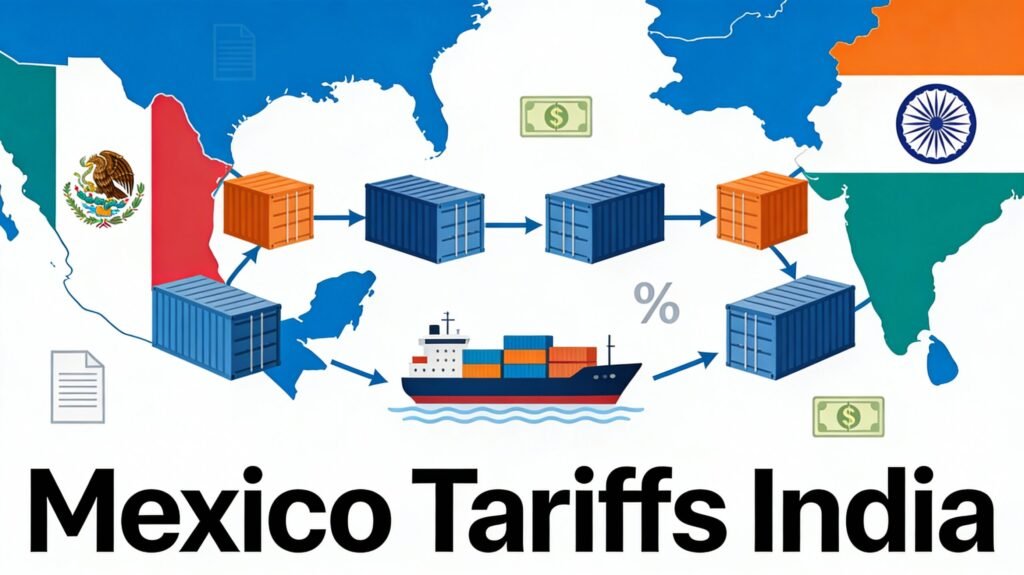
Mexico Tariffs India: Trade Impact and Economic Shifts
Global trade between emerging economies like Mexico and India is evolving fast, and Mexico Tariffs India has become an attention-grabbing topic for exporters, economists, and policymakers. The ongoing tariff discussions highlight deeper economic ties and the effort to balance domestic protectionism with the ambition to expand exports.
Both nations, despite being geographically distant, share mutual strategic interests in manufacturing, energy, and services. As the world prepares for a global shift away from dependency on a few super economies, Mexico and India are carefully reviewing tariff frameworks to strengthen their trade cooperation.
Understanding Tariffs Between Mexico and India:
Tariffs act as a lever for governments to regulate trade. When Mexico adjusts its tariffs toward India, it directly impacts the cost of goods traded—including automobiles, pharmaceuticals, textiles, and electronics. For instance, high import duties can make Indian goods less competitive in Mexican markets. On the other hand, reduced tariffs create opportunities for Indian exporters looking to enter Latin America.
In recent years, the governments of both countries have started holding bilateral meetings focusing on reducing excessive tariffs. The goal? To ensure fair trade growth while protecting key industries from foreign competition. As a result, mutual tariff reforms have encouraged small and medium-sized enterprises (SMEs) from both sides to explore new opportunities. CHECK THIS
Economic Opportunities and Challenges:
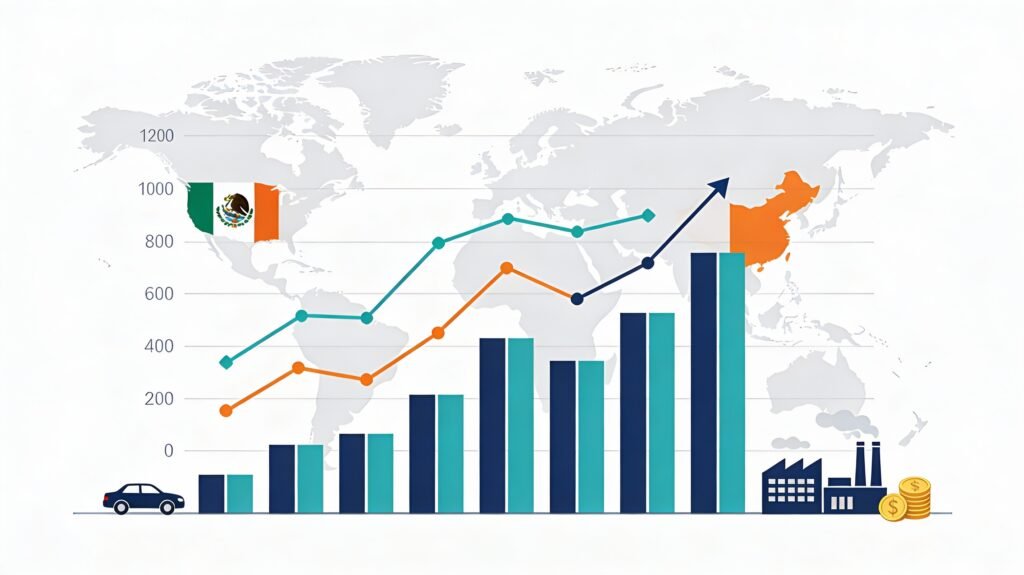
The Mexico Tariffs India discussions are not just about taxes—they represent a broader trade strategy. India, known for its growing pharmaceutical and IT exports, can benefit significantly from Mexico’s strategic location and free trade agreements (FTAs) with the U.S. and Canada under USMCA.
However, some challenges persist. Differences in customs regulations and logistical complexities often delay goods at ports. In addition, tariff non-harmonization between sectors can confuse exporters. To offset these issues, both governments are exploring digital documentation systems and preferential tariff codes for strategic industries
Key Growth Sectors Influenced by Tariffs:
- Pharmaceuticals: India’s low-cost medicines are gaining demand in Mexico. Lower tariffs could help expand access and reduce costs.
- Automobiles: Mexico’s auto industry relies heavily on imported components, making India a strong potential supplier.
- IT and Services: Tariff-free cooperation in digital services and software exports could drive mutual growth.
Bilateral Negotiations and Strategic Moves:
The ongoing trade negotiation tables between Mexico and India aim to redefine tariff structures to boost mutual investment. Transparency and predictable tariff applications are essential for sustained growth.
Additionally, these talks align with both countries’ desire to diversify away from overdependence on specific trade partners (especially the U.S. for Mexico and China for India). Joint ventures in green technology, energy transition, and advanced manufacturing are already part of preliminary frameworks. Such collaborations could reshape the way emerging economies approach tariff diplomacy.
Global Implications of Mexico Tariffs India:
When two developing economies restructure tariffs, global industry observers take note. Lower tariffs between India and Mexico could influence similar frameworks across Latin America and Asia. Moreover, this partnership is expected to strengthen South-South trade relations—a growing trend in global economics.
International investors view the potential tariff alignment as a sign of diversification within global supply chains. Indian exporters could use Mexico as a gateway to North America, while Mexican businesses can leverage India’s manufacturing ecosystem for cost efficiency. CHECK THIS
What Businesses Should Do:
Business owners and exporters aiming to benefit from the new Mexico Tariffs India settings should:
- Stay updated with tariff announcements and trade policy changes.
- Align supply chain contracts with possible tariff differentials.
- Explore India-Mexico business councils for networking and partnership opportunities.
Conclusion:
The evolving framework of Mexico Tariffs India highlights the growing synergy between two powerful emerging economies. As tariffs reshape, industries across pharmaceuticals, manufacturing, and services stand to gain tremendous trade potential. The path ahead depends on how both nations balance trade liberalization with local economic protection, but one thing is clear Mexico and India are closer economic allies than ever before.
FAQs:
1. How do Mexico’s tariffs affect Indian exporters?
Higher tariffs might reduce competitiveness, but ongoing negotiations are making exports more viable for Indian products.
2. Which sectors will benefit most from tariff reductions?
Pharmaceuticals, automobiles, and IT services are expected to see the largest benefits.
3. Are there free trade agreements between Mexico and India?
Currently, there is no exclusive FTA, but both countries are exploring preferential agreements.
4. What are the main challenges in Mexico-India trade?
Customs delays, regulatory differences, and logistics inefficiencies remain the key hurdles.
5. How can businesses prepare for changes in tariffs?
By tracking trade policy news, adjusting pricing, and connecting with government-backed trade network.
Reference Blogs