



ITR Refund Delay: Understanding Why Your Tax Refund Is Stuck
ITR refund delay has become increasingly common in 2025. Meanwhile, millions of taxpayers across India are experiencing slower-than-usual refund processing. However, understanding the underlying causes helps you take corrective action immediately. Moreover, the Income Tax Department’s enhanced scrutiny measures are directly responsible for extended processing timelines.
Despite the department’s claims of 17-day average processing, individual experiences vary significantly. Consequently, delays extend from weeks to months in many cases. Furthermore, several technical and administrative factors contribute to ITR refund delay complications. Therefore, proactive measures help expedite resolution faster.
The primary reason behind ITR refund delay involves stricter verification procedures. Additionally, the Centralised Processing Centre (CPC) in Bengaluru examines claims more rigorously. In particular, high-value refunds face extended scrutiny. As a result, patience combined with proper documentation becomes essential.

Main Reasons Behind ITR Refund Delay in 2025
ITR refund delay occurs due to multiple interconnected factors. Therefore, identifying your specific issue accelerates the resolution process significantly. Additionally, knowing these causes helps prevent future delays during subsequent filings.
Bank Account-Related Issues Lead Most Common Delays
Bank account problems remain the primary culprit behind ITR refund delay situations.
Specifically, incorrect account numbers prevent successful fund transfers entirely. Similarly, wrong IFSC codes trigger automatic rejection of refund requests. Moreover, unvalidated bank accounts cannot receive refund credits whatsoever.
Additionally, name mismatches between PAN records and bank accounts create major hurdles. The system will not process ITR refund delay situations when this discrepancy exists. For example, if your bank account shows “Ramesh Kumar” but PAN displays “Ramesh Kumar Sharma,” the system flags this as invalid. Therefore, perfect alignment becomes non-negotiable for successful processing.
PAN-Aadhaar Linkage Issues Complicate Processing
Another significant cause of ITR refund delay involves incomplete PAN-Aadhaar linkage. Specifically, if your identity data doesn’t match across systems, the department holds refunds indefinitely. Furthermore, inoperative PANs cannot process refunds at all. Consequently, activating and linking your PAN with Aadhaar becomes essential immediately.
AIS Discrepancies and Form 26AS Mismatches
Income tax returns containing discrepancies with Annual Income Statement (AIS) data face ITR refund delay. Similarly, if tax-deducted-at-source (TDS) details in Form 26AS don’t match your return, processing stalls. Moreover, inconsistencies arising from multiple income sources trigger extended scrutiny automatically.
Enhanced Verification for Large Refund Claims
The Income Tax Department implements risk-based verification procedures targeting large refunds. Consequently, ITR refund delay extends significantly for claims exceeding Rs 30,000-35,000. Additionally, the department revisits older returns alongside current-year filings. Furthermore, returns showing suspicious entries undergo mandatory detailed examination.
Step-by-Step Guide to Check ITR Refund Delay Status Online
Checking your refund status prevents unnecessary worry about delays. Therefore, follow this straightforward process to verify your ITR refund delay status immediately.
Visit the Official e-Filing Portal
Log in to https://eportal.incometax.gov.in using your PAN and password credentials. Once logged in, navigate to “e-File” section. Subsequently, click on “Income Tax Returns” and select “View Filed Returns.” Then, choose the relevant assessment year to proceed.
Locate Refund Status Details
The portal displays comprehensive information about your ITR refund delay situation. Specifically, status indicators include “Refund issued,” “Refund under review,” or “Refund pending.” Additionally, the system shows whether refunds face obstacles requiring action. Furthermore, you’ll see reference numbers and expected processing timelines clearly.
Understand Different Status Messages
“Refund issued” means your funds reached your bank account successfully. Meanwhile, “Refund not determined” indicates no refund is due. Furthermore, “Refund failed” suggests technical errors requiring immediate attention. Additionally, “Refund adjusted” means set-offs against outstanding dues occurred.
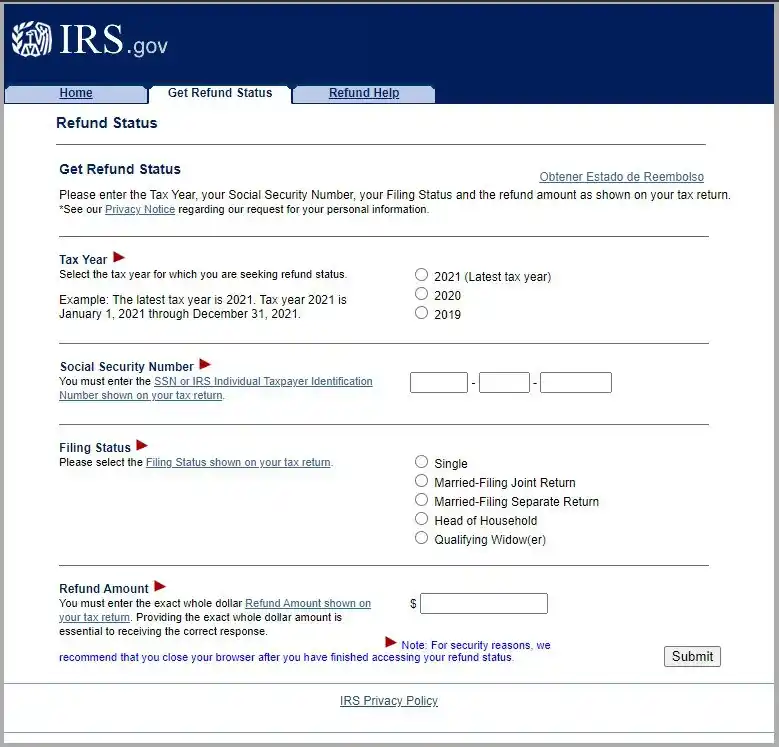
Alternative Method: NSDL Portal Access
Visit tin.tin.nsdl.com if you prefer checking through the NSDL website. Enter your PAN, select the assessment year, and input the displayed captcha code. Then, click “Proceed” to view your ITR refund delay status information instantly.
Practical Solutions to Resolve ITR Refund Delay Problems
ITR refund delay resolution depends on identifying your specific issue accurately. Therefore, implement these targeted solutions based on your situation.
Correcting Bank Account Details
If ITR refund delay stems from incorrect account information, contact your bank immediately. Request updates to your account number and IFSC code details. Subsequently, return to the income tax portal and re-validate your bank account details. Then, submit the corrected information for reprocessing.
Fixing PAN-Bank Name Mismatches
For name discrepancies between PAN and bank records, choose the simpler correction route. Either update your bank account name to match your PAN exactly, or correct your PAN records through a correction form. Additionally, provide necessary supporting documents like your PAN card and ID proof. Once updated, re-validate your account on the e-filing portal.
Resolving PAN-Aadhaar Linkage Issues
Visit the income tax portal’s PAN management section immediately. Link your PAN with your Aadhaar number if not already connected. Furthermore, ensure both documents display identical names and details. Consequently, this straightforward step resolves many ITR refund delay cases automatically.
Responding to Income Tax Notices
If you receive notices regarding missing documents or discrepancies, respond promptly. Submit requested information before specified deadlines without delay. Additionally, maintain copies of all communication with tax authorities. Furthermore, track your responses through the e-filing portal for confirmation.
When to Escalate Your ITR Refund Delay Complaint
If standard solutions don’t resolve your ITR refund delay within reasonable timeframes, escalate your case immediately. Contact the Income Tax Department helpline at 1800-103-4455 or email ask@incometax.gov.in. Additionally, visit your local income tax office with relevant documentation for direct assistance. Furthermore, file a formal grievance through the e-Nivaran section on the portal for official escalation.
Conclusion
ITR refund delay frustrates millions of taxpayers annually, but understanding causes and solutions empowers faster resolution. Therefore, verify your account details, ensure PAN-Aadhaar linkage, and reconcile AIS discrepancies immediately. Moreover, check your status regularly through official portals to track progress. Additionally, respond promptly to any departmental notices to prevent processing stalls. Finally, escalate unresolved cases through proper channels after reasonable waiting periods. By taking these proactive steps, you’ll navigate ITR refund delay situations efficiently and recover your tax money successfully.
Frequently Asked Questions
1. How long does ITR refund delay typically last in 2025?
Most refunds process within 17 days on average after verification. However, cases with discrepancies or additional scrutiny may extend to 4-8 weeks. Additionally, high-value refunds face longer processing timelines. Therefore, patience combined with proper documentation helps manage expectations effectively.
2. What causes ITR refund delay most frequently in India?
Bank account-related issues create the majority of ITR refund delay cases. Specifically, incorrect account numbers, wrong IFSC codes, and name mismatches top the list. Additionally, PAN-Aadhaar linkage issues and AIS discrepancies trigger significant delays. Therefore, verifying all details before filing prevents most common problems.
3. Can I recover my money if ITR refund delay extends beyond normal timelines?
Yes, the Income Tax Act provides provisions for interest on delayed refunds. Section 244A entitles you to interest at prescribed rates if refunds face unexplained delays. Additionally, you can file formal complaints through the e-Nivaran portal. Furthermore, consulting a chartered accountant helps determine your legal remedies.
4. Is PAN-Aadhaar linkage mandatory to avoid ITR refund delay?
While not technically mandatory for return filing, linking strengthens your compliance. Moreover, it prevents ITR refund delay situations arising from verification failures. Additionally, linked accounts process refunds faster without additional scrutiny. Therefore, completing this linkage protects you against unnecessary delays.
5. How do I re-validate my bank account to fix ITR refund delay?
Log in to the income tax portal and navigate to your refund status section. Click the “Re-validate” button displayed on your refund status page. Enter correct bank account numbers and IFSC codes when prompted. Subsequently, submit the corrected information. Finally, your refund reprocesses automatically once validation succeeds.
Related Reading & Resources
Internal Links:
- How to File Your Income Tax Return Online – Complete Step-by-Step Guide – Master ITR filing basics
- PAN Card Registration and Correction: Everything You Need to Know – Ensure accurate PAN details
- Understanding GST and Tax Compliance for Indian Startups – Comprehensive tax guide
- How to Link Your Aadhaar with PAN: Complete Process – Prevent verification delays External Resources:
- Income Tax e-Filing Portal – Official Government Resource – Check refund status directly
- NSDL PAN Verification Portal – Alternative status checking method
- Income Tax Department Helpline – 1800-103-4455 – Official support contact
- e-Nivaran Grievance Portal – Formal Complaint Submission – Escalate issues officially
- Reserve Bank of India – Banking Guidelines – Bank validation standards
- Form 26AS Check – Your Tax Deduction Record – Verify TDS and income details