


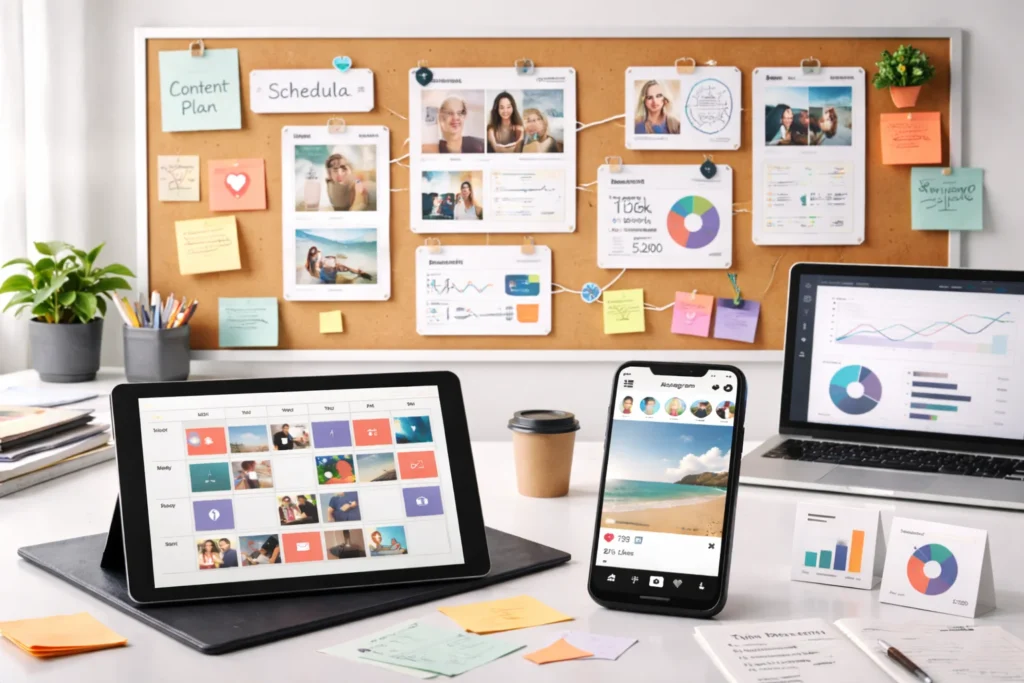
Most businesses should post 3–5 feed posts per week and use Stories or Reels more often if they have enough content. The real goal is not maximum posting, but a frequency you can sustain consistently while keeping quality high. you can use different digital services.
Quick Summary
If you are wondering how often to post on Instagram for business, the best schedule depends on your goals, team size, industry, and content capacity. Smaller businesses often do better with fewer high-quality posts, while brands with strong content systems can post more frequently and still maintain engagement.
What Is the Best Posting Frequency?
There is no universal number that works for every business. A restaurant, SaaS brand, coach, and retail shop will all need different rhythms based on audience behavior and content resources.
A simple starting point is:
- Feed posts: 3–5 times per week.
- Reels: 2–4 times per week.
- Stories: Daily or near-daily.
- Carousels: 1–2 times per week if educational content matters.
- Live sessions: 1–2 times per month if community building is a priority.
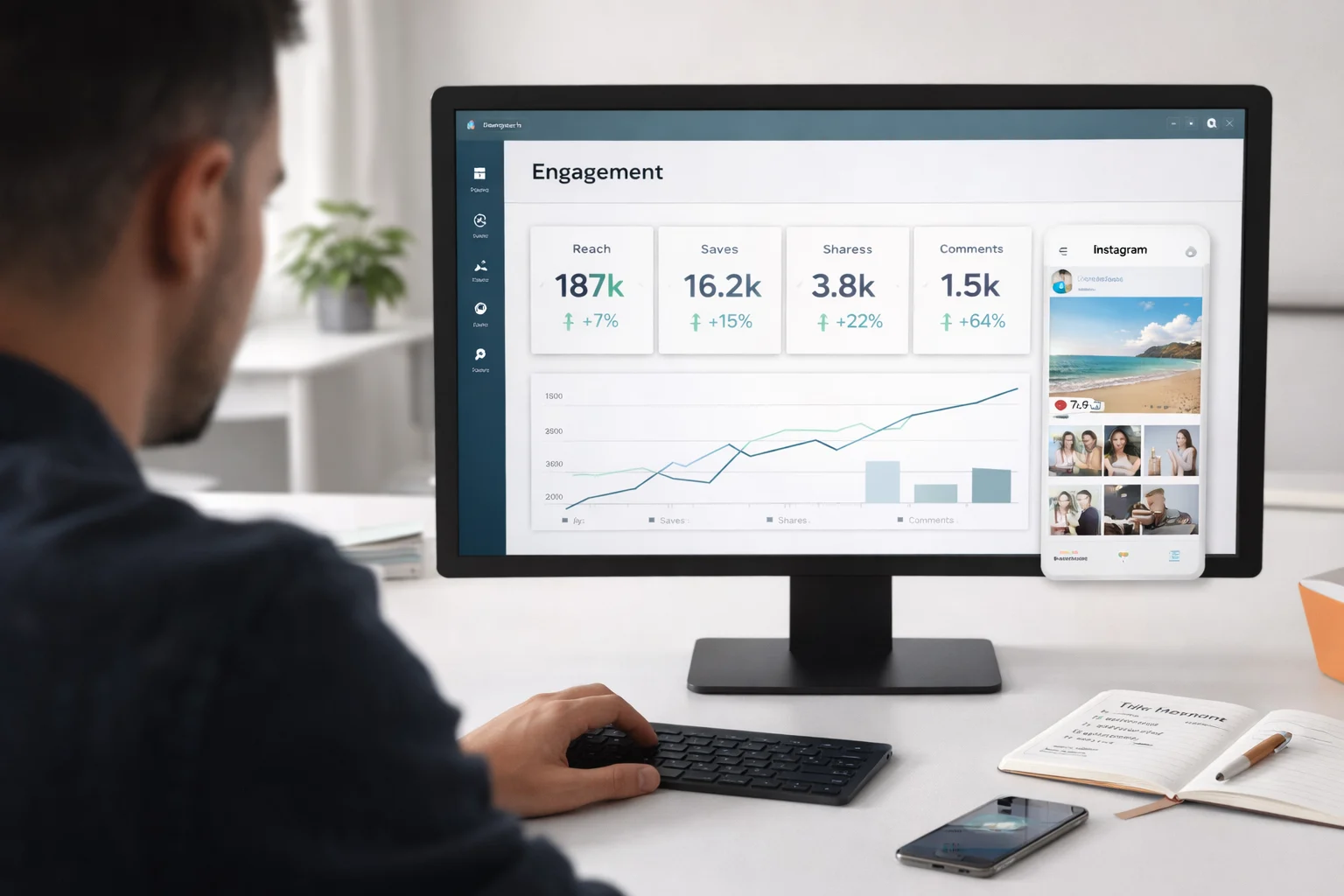
The key is to stay visible without burning out your team. Posting too little can slow growth, but posting too much with weak content can reduce engagement faster than posting less often.
“Consistency beats intensity on Instagram. A brand that posts well every week usually outperforms one that posts in bursts and disappears.” — StartupMandi
https://startupmandi.in/services/digital-services/website-design-maintenance-service-by-ai-agents/
How Often to Post by Business Size?
The best posting schedule often depends on how much time and content support a business has.
| Business type | Suggested frequency | Why it works |
| Solo founder or small business | 3 feed posts/week, 3–5 stories/week | Sustainable without overwhelming the team |
| Growing startup or local brand | 4–5 feed posts/week, daily stories | Builds awareness and trust faster |
| Agency or content-heavy brand | 5+ feed posts/week, daily Reels/Stories | Useful when the content engine is already strong |
If your team is small, it is better to post fewer times with stronger captions and visuals than to publish daily with weak creative.
Best rule for small teams
- Pick a frequency you can maintain for 90 days.
- Focus on repeatable content formats.
- Measure saves, shares, replies, and profile visits.
- Increase frequency only after quality stays stable.
How Does Industry Change the Answer?
Different industries need different Instagram rhythms because audience expectations are not the same.
Best posting ranges by industry
- E-commerce: 4–6 times per week, because product visibility matters.
- Service businesses: 3–5 times per week, because trust and expertise matter.
- Restaurants and hospitality: 4–7 times per week, because visuals and daily relevance matter.
- B2B and SaaS: 2–4 times per week, because educational content usually works better than volume.
- Creators and personal brands: 4–7 times per week, especially when audience engagement is the main goal.
The right frequency depends on how often your audience expects updates and how much original content you can create without losing clarity.
Why Does Consistency Matter More?
Consistency matters because Instagram rewards active, relevant accounts that keep showing up with useful content. A steady schedule also trains your audience to expect your posts.
Here is the practical effect:
1.Your brand stays top of mind.
2.The algorithm gets more signals about your content.
3.You build trust through repetition.
4.Your team learns what formats perform best.
A business that posts four strong times a week for six months usually learns more than a business that posts daily for two weeks and then stops.
How Many Posts Are Too Many?
| Posting habit | Likely result |
| Random posting | Weak reach consistency |
| Burnout posting | Quality drops fast |
| Planned posting | Better learning and stability |
Too many posts are a problem when quality drops, engagement falls, or your audience starts seeing repetitive content.
You may be posting too often if:
- Captions feel rushed
- Visuals look similar every time
- Saves and shares decline
- Your team struggles to keep up
- Comments become less meaningful
- More posting does not automatically mean more growth
In many cases, better content wins over more content
“Posting more should never become an excuse for posting worse.” — StartupMandi content team
What Is the Best Formula?
Use this simple framework to decide your posting frequency:
Ideal Frequency = Content Capacity + Audience Demand + Team Consistency
Break it down like this Content capacity:
1.How many strong posts can you realistically create each week?
2.Audience demand: How often does your audience want updates or inspiration?
3.Team consistency: Can you maintain that schedule for 3 months or more?
If one of these three is weak, lower your posting frequency and improve the system first.
Example formula in practice
- A solo founder may only have enough capacity for 3 strong posts per week
- A restaurant may have enough audience demand for 6 posts per week
- A SaaS startup may only need 3 to 4 educational posts weekly
This is why asking “how often to post on Instagram for business” should always lead to a custom answer, not a one-size-fits-all rule.
How Should You Balance Reels, Posts, and Stories?
A healthy Instagram strategy does not rely on only one format. Each format plays a different role.
If you want growth, use Reels and Stories more often. If you want trust, use carousels and thoughtful captions. If you want both, balance formats instead of overusing one.
How Can Small Businesses Stay Consistent?
| Format | Best use | Suggested frequency |
| Feed posts | Brand building and education | 3–5 per week |
| Reels | Reach and discovery | 2–4 per week |
| Stories | Daily engagement and trust | Daily |
| Carousels | Education and saves | 1–2 per week |
| Lives | Community and authority | 1–2 per month |
Small businesses usually struggle not because they lack ideas, but because they lack a repeatable posting system.
Simple consistency system
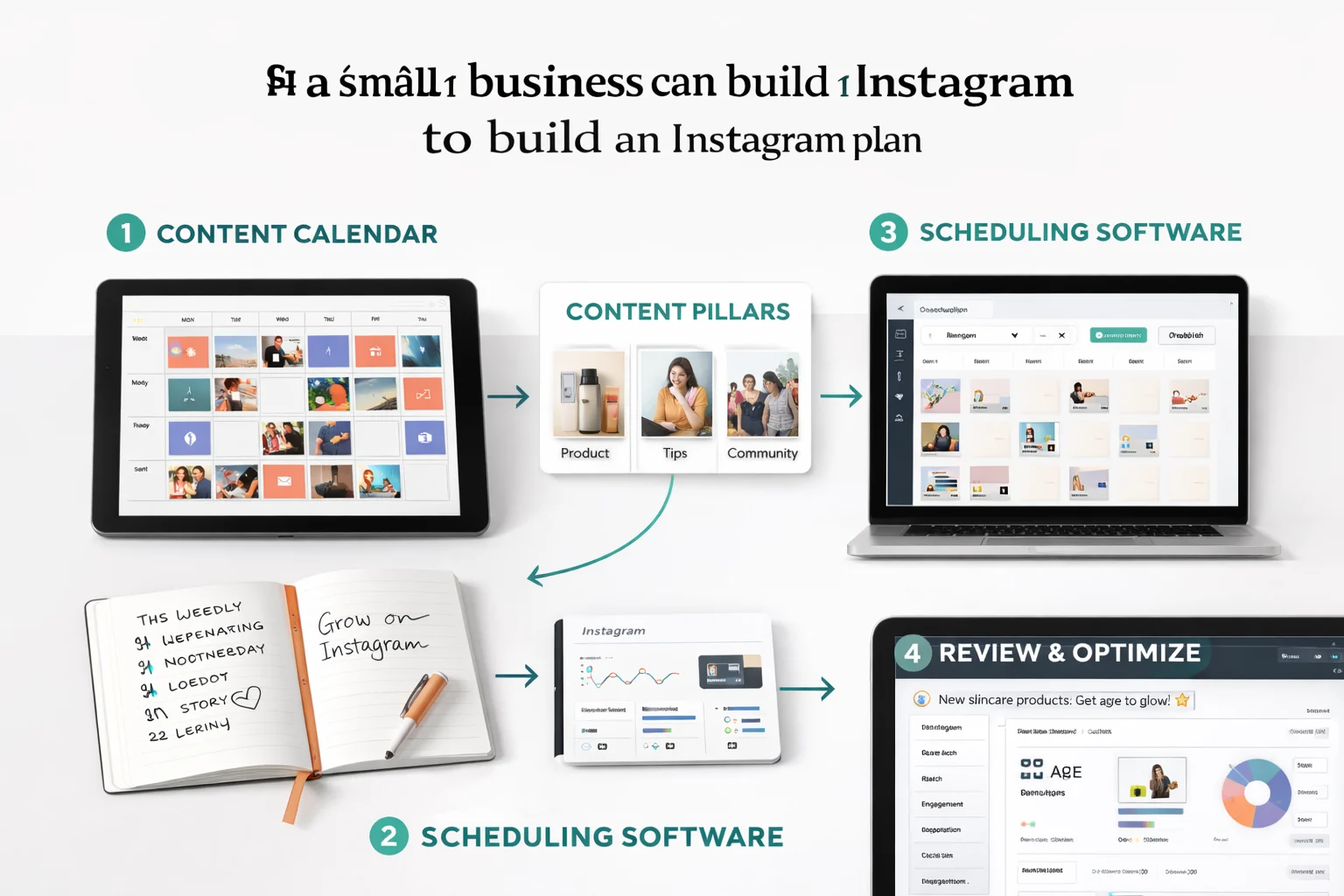
- Choose 3 content pillars
- Batch content once a week
- Reuse winning post structures
- Schedule ahead of time
- Review analytics every 30 days
This prevents decision fatigue and keeps your brand from scrambling every day
Sample weekly schedule
- Monday: Educational carousel
- Wednesday: Behind-the-scenes Reel
- Friday: Testimonial or product post
- Saturday/Sunday: Stories and community engagement
That kind of schedule is enough for many small businesses to grow steadily without overcommitting

What Metrics Should You Track?
Your posting frequency should be judged by performance, not just output
- Track these metrics
- Reach.Saves.Shares
- Comments.Profile visits
- Website clicks
- Follower growth
If posting more often does not improve these numbers, your problem may be content quality, not frequency.
Quick comparison table
| Frequency change | Possible effect |
| More posts, weaker quality | Lower engagement |
| Fewer posts, stronger quality | Better saves and shares |
| Balanced posting | Stable growth |
How Can SEO and Instagram Work Together?
Instagram helps with discovery, while SEO helps with intent-driven search visibility. The two channels work best when they support the same content themes.
For example:
1.Turn a blog post into multiple Instagram posts
2.Use Instagram to promote evergreen blog content
3.Link your Instagram audience to service pages and landing pages
4.Repurpose high-performing posts into search-friendly articles
StartupMandi’sSEO service by AI agents can help align your search content with your Instagram messaging.
If you want broader marketing support, social media advertising service by AI agents can help amplify your campaigns.
How To Build a Posting Plan
Times Needed: Days: 07, Hours: 04, Minutes: 00
Estimated Cost: Currency: USD, Price: 0
Description: A simple process to choose an Instagram posting schedule that fits your team, audience, and content capacity without causing burnout.
Steps:
Step Title: Define your weekly capacity
Step Description: Decide how many strong posts, Reels, and Stories you can realistically create every week without lowering quality
Step Title: Pick 3 content pillars
Step Description: Choose themes your audience cares about, such as education, behind-the-scenes, testimonials, or offers
Step Title: Set your posting rhythm
Step Description: Start with a manageable schedule, such as three feed posts and three Reels per week, then track results
Step Title: Batch and schedule content
Step Description: Create content in batches and schedule it ahead of time so your publishing stays consistent
Step Title: Review and adjust monthly
Step Description: Check saves, shares, reach, and profile visits, then raise or lower your posting frequency based on performance
Tools Name: Instagram Insights, content calendar, scheduling tool, analytics dashboardMaterials Name: brand content pillars, caption bank, visual templates, hashtag listKey
Takeaways
- Most businesses should start with 3–5 feed posts per week.Stories can usually be posted daily
- Reels should be used regularly for discovery
- The best frequency depends on business size, industry, and capacity
- Consistency and quality matter more than posting as much as possible
Next Steps
- Audit your current posting frequency
- Decide what your team can maintain for 90 days
- Build a simple calendar around your content pillars
- Test two frequencies and compare performance
- Use analytics to refine your schedule instead of guessing
Want a customized Instagram posting plan for your business?
Save this guide and start testing your schedule today—or reach out for a tailored strategy. StartupMandi can also help with social media advertising support, SEO services, and Gold Membership resources for ongoing growth support.
Conclusion
If you are still asking how often to post on Instagram for business, the most practical answer is: post often enough to stay consistent, but not so often that quality drops. A steady schedule of strong posts, Reels, and Stories will usually outperform an exhausting daily posting sprint.
For more growth support, explore
FAQ Section
Most businesses should aim for 3–5 feed posts per week, plus regular Stories and some Reels.
Not necessarily. Daily posting helps some brands, but consistency and quality matter more than volume
A good starting point is 2–4 Reels per week.
Yes. Stories help maintain daily visibility and build trust with followers.
A sustainable schedule like 3 feed posts per week and near-daily Stories works well for many small businesses.
Only if content quality stays strong. More posting can hurt engagement if quality drops.
If engagement, saves, or shares drop while your content feels rushed, you may be posting too often.
Start with fewer high-quality posts and build a repeatable content system before increasing frequency.
Few Links Suggestions for more Research & Facts Check
Instagram for Business Help Center
Meta creator and business resources