

Tejas Crash at Dubai Airshow 2025: A Tragic Loss and Its Impact
The Indian Air Force’s (IAF) pride, the Tejas fighter jet, met with tragedy at the Dubai Air Show 2025. During a high-profile display, the aircraft crashed, leading to the untimely death of Wing Commander Namansh Syal. The incident shocked not only the defense community but also aviation enthusiasts globally. Now, the industry, as well as India’s defense sector, must grapple with technical questions and emotional loss.
 Indian Tejas fighter jet crashes in a ball of fire at Dubai
What Happened at the Dubai Airshow?
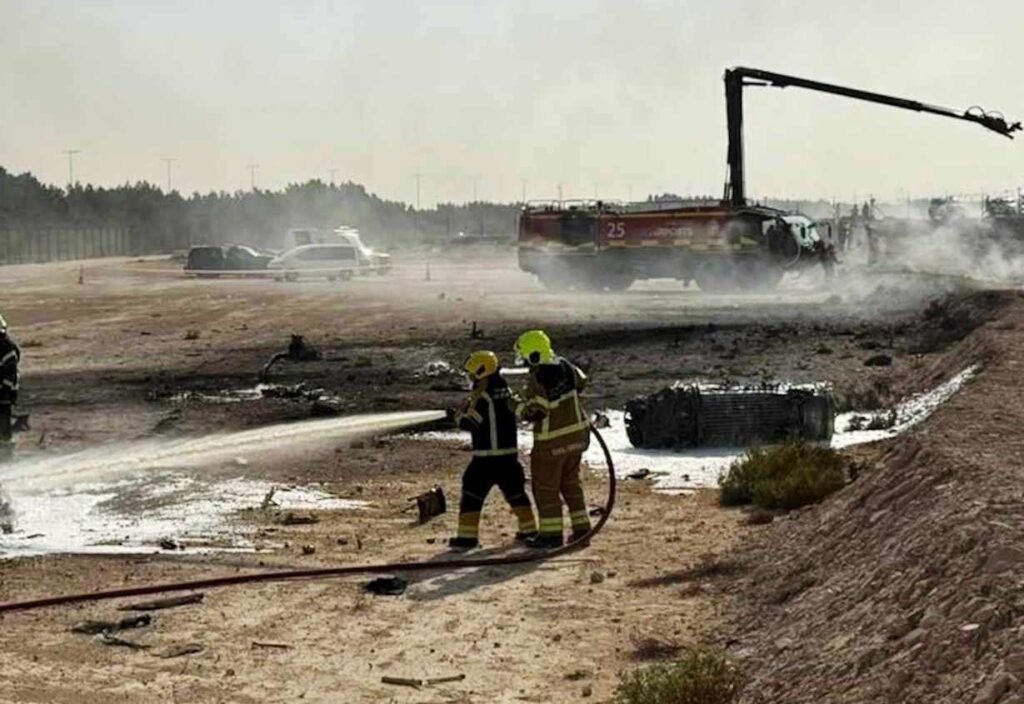
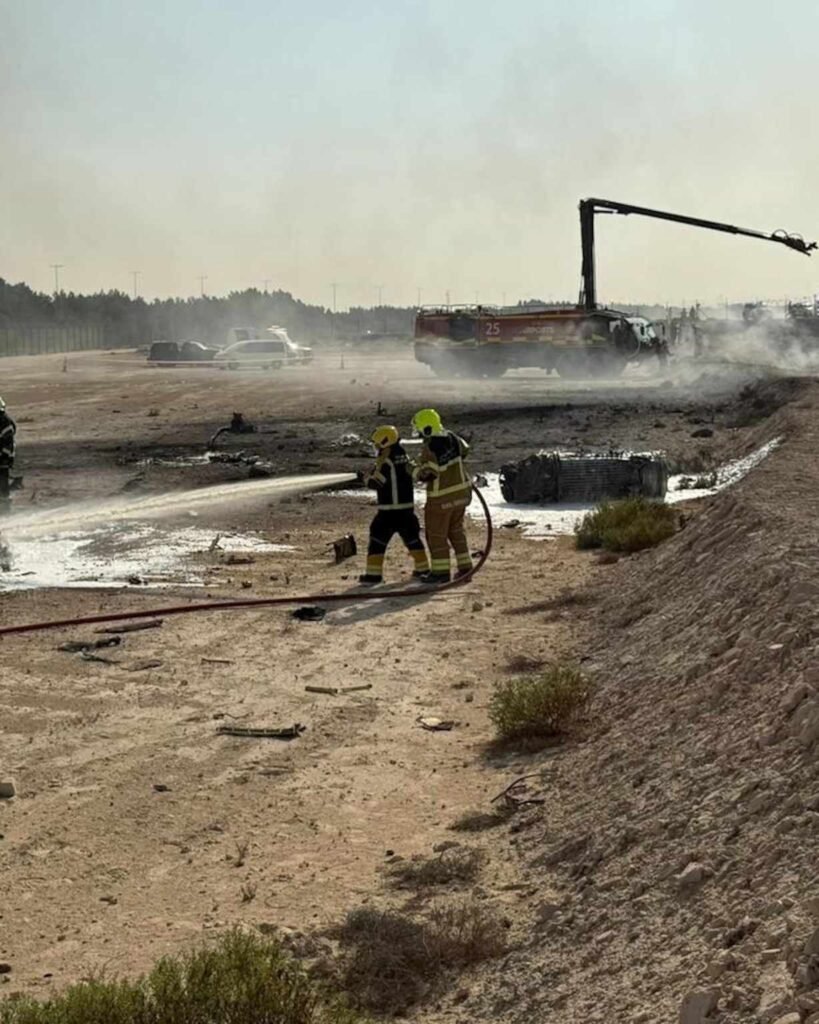
On November 20, 2025, the IAF’s Tejas was participating in a flight demonstration at the prestigious Dubai International Air Show. The fighter jet, counted among India’s indigenous aviation achievements and manufactured by Hindustan Aeronautics Limited (HAL), was piloted by the experienced Wing Commander Namansh Syal. During the maneuver, eyewitnesses saw the jet lose control before crashing spectacularly near the airfield’s perimeter. Unfortunately, despite rescue efforts, the pilot could not be saved. The incident sent shock waves through the audience and brought a somber mood to what was otherwise a showcase of global aeronautical progress.
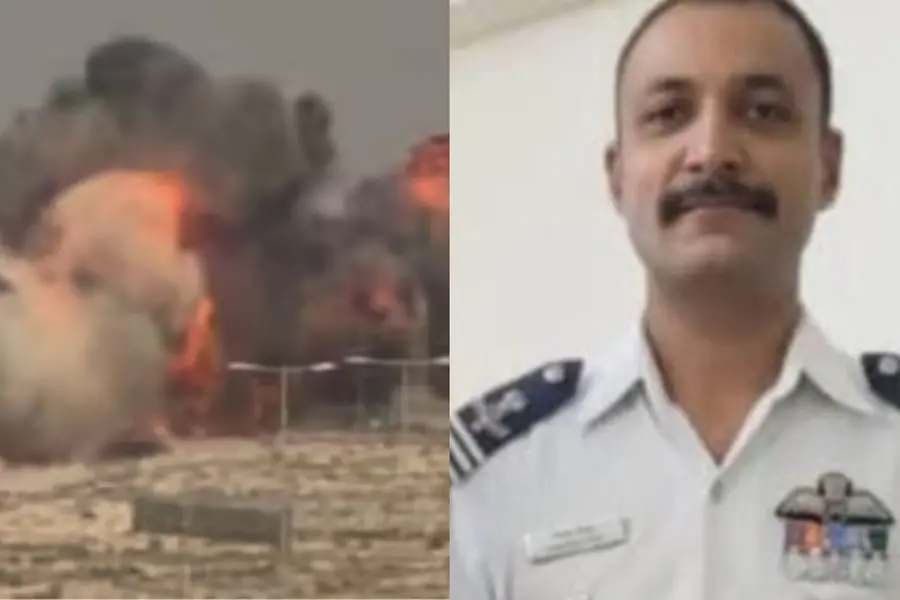
IAF Tejas Crash: Pilot Wing Commander Namansh Syal
The Legacy of Wing Commander Namansh Syal
Wing Commander Namansh Syal was remembered as an accomplished test pilot with a stellar professional record in high-performance aircraft. Colleagues and top IAF officials commended his exceptional flying skills and dedication to advancing Indian aviation. Syal had been handpicked for the Dubai show owing to his experience with the Tejas platform. His tragic loss was mourned widely—not only by defense personnel but also by citizens who viewed the Tejas as a symbol of national pride.
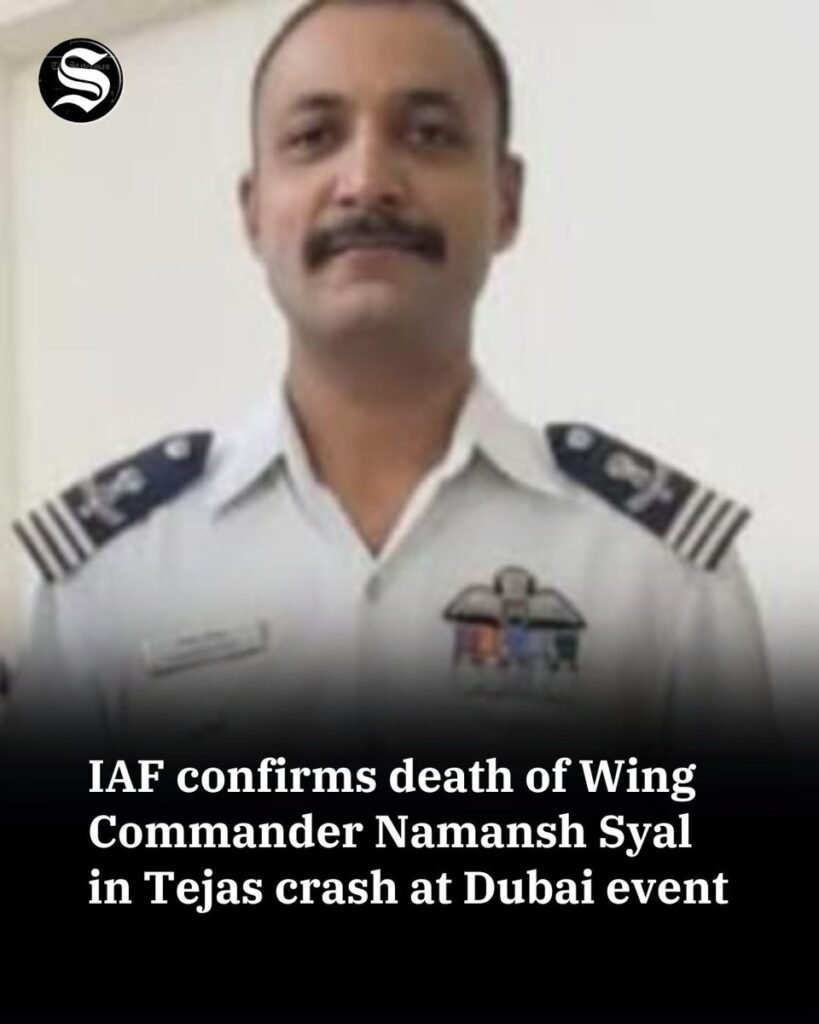
Wing Commander Namansh Syal, showcasing the IAF’s Tejas Mk.1
Tejas: Indigenous Marvel, Global Tragedy
While Tejas represents a milestone for India’s Make in India initiative, this crash has reignited debate over indigenous fighter jet reliability. The Tejas program—after many years of development—was beginning to gain international traction. Its participation at Dubai Air Show was aimed at attracting export attention. Nevertheless, after the incident, several questions arose regarding mechanical and operational safety. Some social media voices raised concerns about possible engine failure, while others defended the aircraft, citing isolated incidents and ongoing improvements.
For context and reference, several details and community discussions can be found here:
Early Investigation and Community Response
In the wake of the disaster, the Indian Air Force and HAL promptly initiated investigations. Possible causes, including technical mechanical failure and other operational factors, are under scrutiny. The crash led to an outpouring of grief but also a spirited defense of the Tejas program’s integrity. Many experts urged caution, arguing that isolated incidents must be weighed against strong safety records and the complexities of advanced fighter testing.
However, industry watchers also acknowledge such incidents could have reputational repercussions for future Tejas sales and India’s growing aerospace sector. Ensuring transparency and swift corrective measures will be crucial both for internal morale and global confidence in Indian defense manufacturing.
HAL, IAF, and Market Repercussions
Hindustan Aeronautics Limited (HAL)—the manufacturer of Tejas—immediately felt the impact on its public image and investor confidence. Although aviation accidents are not unique to any single country or aircraft, HAL’s share price experienced volatility following the crash. Nevertheless, HAL executives and IAF leadership underscored their commitment to safety improvements and support for Syal’s family. The IAF, while deeply mourning the loss, remains confident in the aircraft’s overall capabilities, citing its operational record in both domestic and export settings.
A Somber Reminder and Path Forward
Tragic as it is, the Dubai Airshow 2025 Tejas crash is a reminder of the risks inherent in cutting-edge aviation. Every major program worldwide has endured setbacks. The key is how nations, manufacturers, and communities respond—with resolve, transparency, and a commitment to progress. For the IAF and HAL, honoring Wing Commander Syal’s sacrifice will involve making the Tejas even safer and more reliable in the years ahead.
Related Stories and Resources