

Apple and Google Partnership: A Game-Changer for Mobile Users
Apple and Google partnership marks a historic moment in mobile technology. For the first time, these rival tech giants collaborate officially. Specifically, they’ve created a unified system for switching between devices. Moreover, this partnership eliminates the friction users experienced previously.
Historically, switching from Android to iPhone or vice versa presented challenges. Users had to juggle multiple apps and manual processes. Additionally, data transfers remained incomplete or complicated. However, the Apple and Google partnership changes everything. Therefore, switching between ecosystems becomes significantly simpler now.
The partnership emerged from regulatory pressure rather than voluntary cooperation. The European Union’s Digital Markets Act demands improved interoperability requirements. Consequently, both companies must provide transparent data portability solutions. Furthermore, Apple committed to delivering user-friendly transfer solutions by fall 2025.

Understanding the New Switching Technology
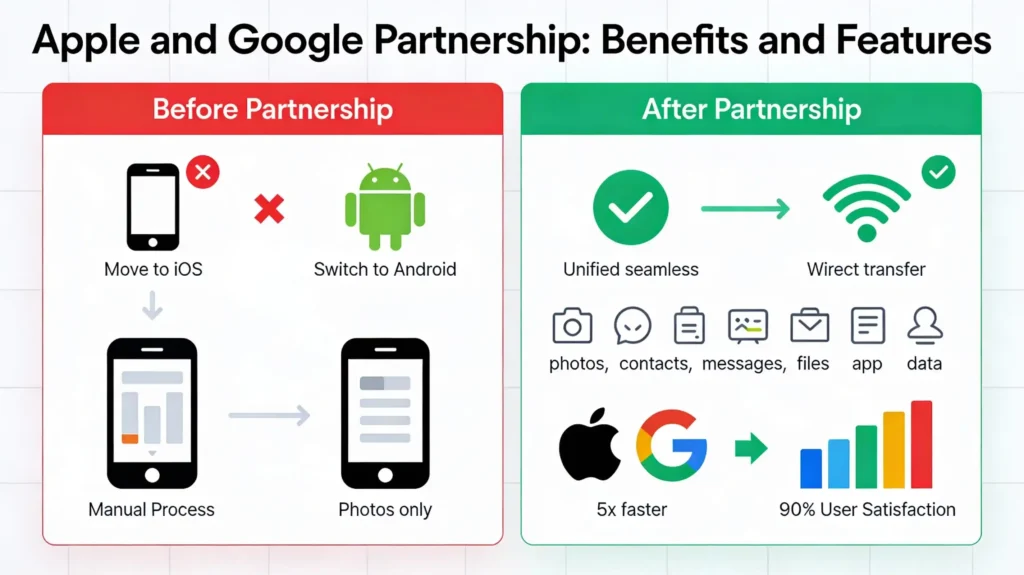
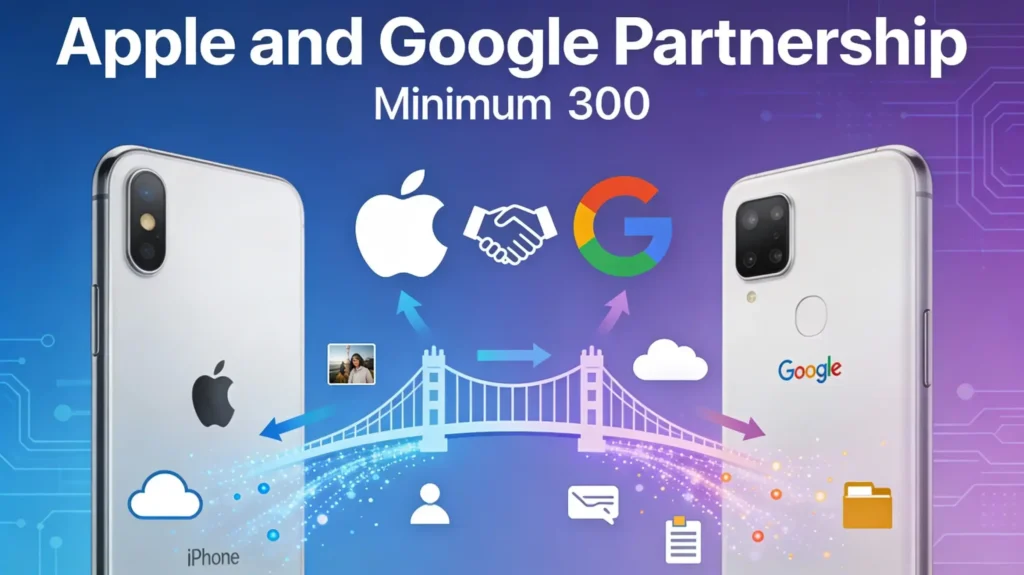
The Apple and Google partnership introduces revolutionary features. A new “Copy data” option appears during device setup. This wireless transfer system connects phones using session IDs and passcodes. Moreover, users no longer need separate applications like Move to iOS or Switch to Android.
The system transfers photos, messages, contacts, files, and more instantly. Everything happens wirelessly without intermediate steps. Furthermore, the process occurs during the natural setup phase. Consequently, new device owners experience seamless data migration. Therefore, switching ecosystems feels intuitive rather than technical.
How the Apple and Google Partnership Works During Setup
When activating a new Android or iPhone device, users see updated setup options. The system prompts you to transfer data from your previous phone. Subsequently, you select the “Copy data” option from the setup menu. Then, both devices link using a secure session ID and passcode combination.
Once connected, data transfers wirelessly between phones. The process runs automatically in the background. Additionally, users maintain control over which data transfers. Therefore, sensitive information remains protected throughout. Moreover, the entire process completes quickly without technical knowledge required.


Compatible Data Types and Transfer Coverage
The partnership supports transferring multiple data categories. Photos and videos move seamlessly between platforms. Contacts, messages, and call histories transfer completely. Furthermore, files and documents migrate without complications. Additionally, app data transfers where applicable.
However, some app-specific information may require manual setup. Streaming service passwords might need re-authentication. Cloud-based notes and documents may sync through their respective services. Therefore, most critical data transfers automatically. Moreover, users rarely encounter missing information after switching.
The Regulatory Forces Behind Apple and Google Partnership
Regulatory pressure catalyzed this unprecedented collaboration. The European Union introduced strict data portability requirements. These regulations mandate companies improve platform interoperability significantly. Furthermore, the Digital Markets Act applies specifically to Apple and Google. Consequently, both firms must comply or face substantial penalties.
Apple historically resisted providing iOS-to-Android transfer tools. Users wanting to switch previously faced significant obstacles. However, DMA compliance requirements reversed this stance completely. Therefore, Apple committed to launching compatible transfer solutions. Moreover, Google’s existing Switch to Android app gained official support from Apple.
This regulatory-driven cooperation demonstrates regulatory power effectively. Market leaders respond when governments enforce transparency rules. Furthermore, consumer interests align with regulatory objectives. Therefore, stronger regulations often benefit users directly.

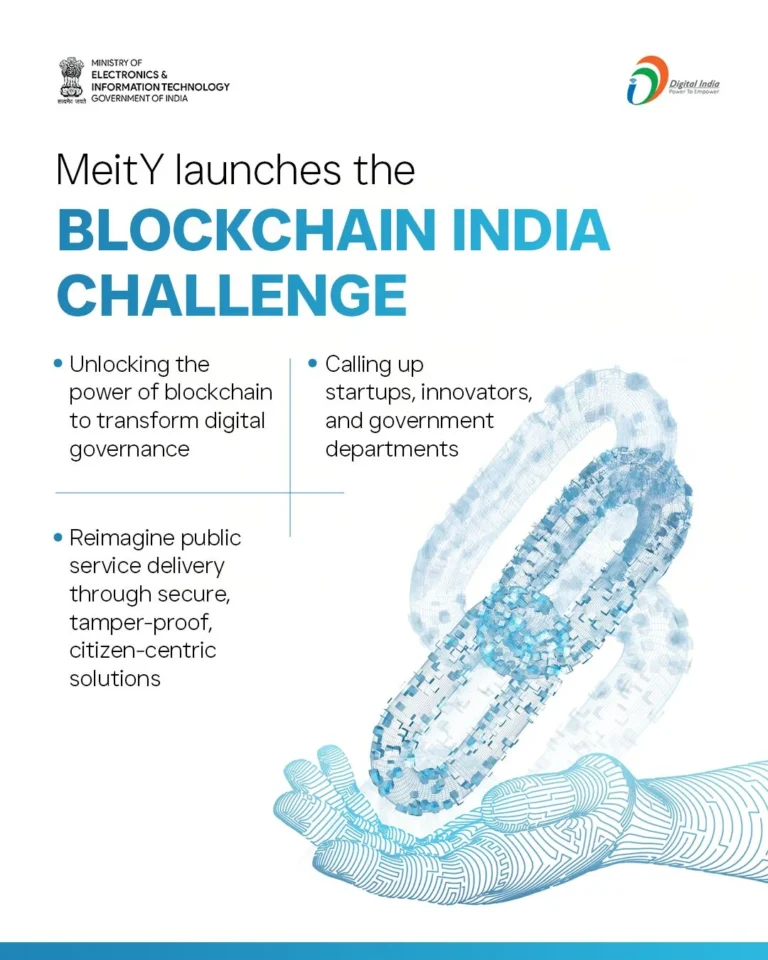
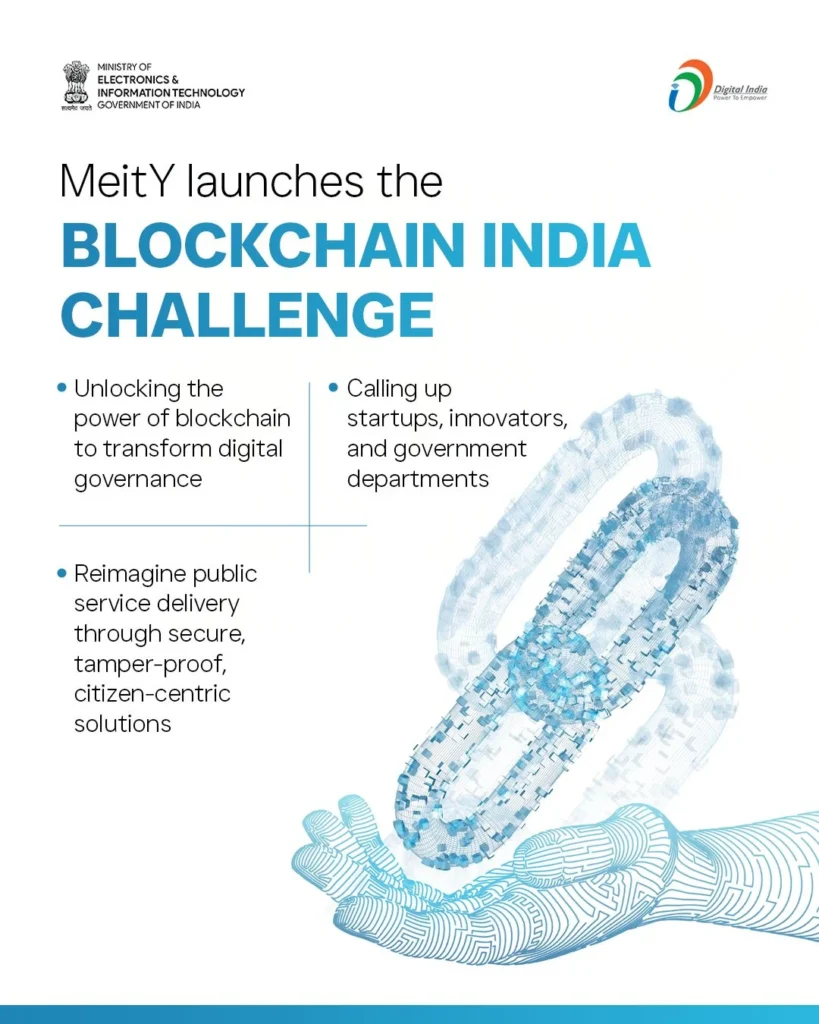
Blockchain India Challenge – Get Up to ₹50 Lakh
Ministry of Electronics and Information Technology (MeitY), Government of India (implemented by Centre for Development of Advanced Computing – C-DAC)
- Idea Stage, Prototype Stage, MVP Stage
- March 27, 2026

Blockchain India Challenge – Get Up to ₹50 Lakh
Ministry of Electronics and Information Technology (MeitY), Government of India (implemented by Centre for Development of Advanced Computing – C-DAC)
₹6,550,000.00- Idea Stage, Prototype Stage, MVP Stage
- March 27, 2026
BIRAC–RDI Fund – Research, Development and Innovation Fund
Delta Change Challenge for Biotech Innovation – Biotechnology Industry Research Assistance Council (BIRAC), under Department of Biotechnology (DBT)
₹2,000,000,000.00- MVP Stage, Early Revenue Stage, Growth Stage
- March 31, 2026
EU Digital Markets Act and Data Portability Requirements
The Digital Markets Act established unprecedented data portability standards. Companies must facilitate smooth transitions between platforms. Additionally, users gain explicit rights to transfer personal data. Therefore, Apple and Google partnership emerged from legal obligations rather than goodwill.
The regulation applies pressure on other large tech companies similarly. However, Apple and Google represent the most visible implementations. Their partnership demonstrates regulatory mechanisms working effectively. Furthermore, users benefit from competitive pressure between ecosystems. Therefore, innovation accelerates when companies compete fairly.
Comparing Past Methods with Apple and Google Partnership
Previously, switching required multiple apps and manual processes. Move to iOS, available since 2015, transferred limited data types. Switch to Android, launched in 2022, offered similar functionality. However, both applications presented complications and incomplete transfers.
Users reported missing photos, incomplete contact information, and failed message transfers. Additionally, app preferences and settings rarely migrated successfully. Therefore, switching ecosystems remained frustratingly incomplete. Moreover, many users abandoned the process midway.
The Apple and Google partnership addresses all these limitations. Wireless direct transfer eliminates intermediate steps. Comprehensive data migration includes most information types. Furthermore, setup-integrated processes feel natural and intuitive. Therefore, user experience improves dramatically with this partnership.
Timeline and Availability of Apple and Google Partnership Features
The Apple and Google partnership currently appears in Android Canary 2512. This experimental build tests the feature on Pixel devices initially. However, Canary releases are not intended for general public use. Furthermore, performance issues may occur in testing versions.
Apple’s implementation arrives in iOS 26 developer beta releases. Therefore, both platforms develop simultaneously for coordinated launching. The exact public release date remains undetermined currently. However, full device-by-device rollout will occur gradually. Additionally, older devices may not receive support immediately. Therefore, patience may be necessary for universal availability.
Google plans to move features from Canary to Android Beta eventually. This gradual progression ensures stability before public launching. Furthermore, both companies test extensively for security. Therefore, thorough testing precedes general availability. Moreover, additional data types gain support during testing phases.
Impact on Consumer Device Choices
The Apple and Google partnership removes switching barriers significantly. Consumers now feel confident choosing between Android and iPhone. Previously, switching costs included data loss risks and technical complications. However, seamless data transfer eliminates these concerns entirely.
This partnership democratizes platform choice effectively. Users evaluate phones based on features rather than ecosystem lock-in. Furthermore, competition intensifies as switching becomes frictionless. Therefore, device manufacturers improve offerings to attract consumers. Moreover, innovation accelerates when market pressures increase.
Business users benefit particularly from easier switching options. Mobile professionals require reliability and smooth transitions. The partnership supports business-class data protection and comprehensive transfers. Therefore, enterprises gain flexibility in device deployments. Additionally, companies reduce training costs when switching becomes intuitive.
Conclusion
Apple and Google partnership represents transformative collaboration in mobile technology. This groundbreaking agreement emerged from regulatory pressure benefiting consumers directly. Furthermore, the partnership demonstrates market competition working effectively. Therefore, unified switching systems arrive after years of fragmentation.
The new transfer technology simplifies device switching dramatically. Users maintain complete control over their data migration. Additionally, comprehensive data transfer covers virtually all information types. Moreover, the process integrates naturally into device setup. Therefore, switching between ecosystems becomes accessible to everyone.
This partnership signals broader industry changes ahead. Regulatory frameworks drive interoperability improvements continuously. Furthermore, consumer benefits accelerate when companies compete fairly. Therefore, expect continued improvements in platform flexibility. Finally, Apple and Google partnership proves that rivals can collaborate effectively when appropriate incentives exist.
Frequently Asked Questions (FAQs)
Q1: When will Apple and Google partnership features become available for general users?
The exact release date remains unconfirmed currently. Both companies test features in developer beta versions first. Full public availability likely arrives in 2025 or 2026. The rollout will be gradual across different device models. Therefore, patience may be necessary for universal access.
Q2: Will Apple and Google partnership work with all iPhone and Android models?
Older devices may not receive support initially. The partnership requires compatible hardware and software versions. Newer iPhone models and recent Android phones receive priority. Therefore, very old devices might never support this feature. However, most modern smartphones released recently should qualify.
Q3: Is Apple and Google partnership completely wireless or do I need cables?
The wireless transfer works completely without cables. Both phones connect through secure Wi-Fi connections directly. Therefore, you need internet connectivity but no physical cables. Additionally, the session ID and passcode ensure secure connections. Moreover, data transfers occur encrypted throughout the process.
Q4: Can Apple and Google partnership transfer app data and app preferences?
App data transfers where compatible platforms exist. However, some app-specific information may require manual setup. Streaming services and special apps might need re-authentication. Therefore, most critical data transfers automatically. Additionally, app preferences transfer for standard features. Moreover, iCloud and Google Drive sync services handle cloud-based data.
Q5: What happens to my iCloud or Google account after using Apple and Google partnership switching?
Your original accounts remain completely separate. Apple and Google partnership transfers only device-specific data. Therefore, you must sign into accounts manually on your new device. Furthermore, existing accounts don’t merge or conflict. Moreover, you maintain independent access to both ecosystems. Additionally, switching doesn’t affect your account statuses or subscriptions.
Referring Blog/Page Links
Inbound Links (Relevant Internal Content for StartupMandi):
Understanding Tech Regulation: DMA and Its Impact on Startups
Mobile App Development: Cross-Platform Strategies for Startups
Â
Outbound Links (Authoritative External Sources):
Arshia Jahan
Digital Marketing and SEO professional, focused on content strategy & optimizing content, improving search rankings, and delivering results through smart, audience-focused strategies. As a Content Strategist and SEO professional, I believe that search engines don't buy products—people do. By blending technical SEO precision with a human-first content approach. I provide readers with the strategic blueprints needed to scale in a competitive digital world.