


AI Becoming a Core Revenue Engine: The Profitability Transformationโโ
AI becoming a core revenue engineย represents the fundamental shift from viewing artificial intelligence as a support function to recognizing it as theย primary profit-generation mechanism for modern enterprises. Companies strategically deploying AI across sales, marketing, customer success, and operations unlockย 40% revenue growth increases, 55% profitability improvements, and 35% customer acquisition cost reductions. This transformation transcends incremental optimizationโit fundamentally redefines how businesses create, capture, and sustain competitive advantage.โโ
The numbers tell a compelling story:ย Organizations whereย AI becoming a core revenue engineย is embraced outperform competitors by 2-3x on speed-to-market, accuracy, and innovation velocity. This isn’t theoreticalโAmazon attributes 35% of total revenue to AI recommendation engines, Netflix credits AI with 50%+ subscriber retention improvements.โโ
AI Becoming a Core Revenue Engine – Transformative Metrics ๐
Revenue Growth Impact: +40%ย through predictive personalization and dynamic pricingโ
Profitability Improvement: +55%ย from operational automation and efficiency gainsโโ
Customer Acquisition Cost Reduction: -35%ย via intelligent targeting and qualificationโโ
Sales Win Rate Increase: +25%ย through AI-powered deal intelligence and sales enablementโ
Deal Closure Time Reduction: -30%ย from automated workflows and predictive prioritizationโโ
Customer Retention Boost: +22%ย via proactive churn prediction and personalized interventionsโโ
AI Becoming a Core Revenue Engine: Understanding The Mechanism
AI becoming a core revenue engine operates through five interconnected mechanisms transforming how organizations generate profit:โ
The Intelligence Foundation: Data, Analytics, And Prediction
AI becoming a core revenue engine begins with data infrastructure collecting signals across customer journeys. Raw data transforms into actionable intelligence through machine learning models predicting customer behavior, deal probability, churn risk, and lifetime value. This foundation enablesย data-driven decisions replacing intuition-based choices.โโ
Critical capabilities include:
Propensity Modeling:ย ๐ Predicting which customers will buy nextโ
Churn Prediction:ย โ ๏ธ Identifying at-risk customers before defectionโโ
Lifetime Value Forecasting:ย ๐ฐ Maximizing customer profitability over timeโโ
Price Elasticity Analysis:ย ๐ Optimizing pricing for revenue maximizationโ
These predictive engines transform passive reporting into active revenue generation.โโ
Automation And Operational Excellence: Cost Becomes Competitive Advantage
When AI becoming a core revenue engine achieves operational excellence, cost structures compress dramatically:โ
Workflow Automation:ย ๐ค Intelligent agents handle document processing, approvals, routingโโ
Predictive Maintenance:ย ๐ง Equipment failures prevented before disruption occursโโ
Intelligent Resource Allocation:ย ๐ Capital deployed where ROI is highestโ
24/7 Autonomous Operations:ย โฐ No downtime, no human overhead, continuous scalingโโ
These automation capabilities eliminate friction, waste, and inefficiencyโthe hidden profit-killers in traditional operations.โโ

- Select options This product has multiple variants. The options may be chosen on the product page
Revenue Multiplication: Personalization, Pricing, And Performance
AI becoming a core revenue engine multiplies revenue through three distinct mechanisms that operate simultaneously:โโ
Hyper-Personalization: Converting Browsers Into Buyers
The fundamental insight: generic experiences fail in hyper-competitive markets; personalization wins.ย AI becoming a core revenue engine delivers personalized product recommendations, dynamic offers, and targeted messaging at individual customer level. This increasesย conversion rates by 20-35% and average order value by 15-25%.โโ
Real-World Impact:
Amazon’s recommendation engine drivesย 35% of total revenueโ
Netflix’s personalization increasesย retention by 50%+ year-over-yearโ
Streaming services credit AI withย preventing 30+ million subscriber cancellations annuallyโโ
The mechanism: Real-time behavioral tracking โ Predictive next-best-action โ Personalized delivery โ Conversion increase.โโ
Dynamic Pricing And Offer Optimization
AI becoming a core revenue engine enables intelligent pricing adjusting to market conditions, demand elasticity, and customer willingness-to-pay:โ
| Pricing Strategy | Before AI | With AI | Improvement |
|---|---|---|---|
| Static Pricing | Fixed price, all customers | Dynamic per-customer | +18% ASP |
| Manual Discounting | 35% discount rate | 8-12% optimized rate | -60% discount leakage |
| Inventory Liquidation | Slow clearance | Real-time AI repricing | +35% inventory turns |
| Revenue Forecasting | ยฑ15% accuracy | ยฑ3% accuracy | 5x better planning |
Intelligent Customer Success And Expansion
AI becoming a core revenue engine doesn’t stop at acquisitionโit accelerates customer lifetime value through intelligent expansion:โ
Expansion Scoring:ย ๐ฏ Identifying expansion-ready customersโ
Churn Prevention:ย ๐ก๏ธ Proactive interventions before cancellationโโ
Upsell Timing:ย โฐ Optimal moment for product upgrade offersโ
Cohort Analysis:ย ๐ Understanding which customers drive highest expansionโโ
Result:ย Net revenue retention increases from 100-110% baseline to 120-150% with intelligent expansion AI.โโ
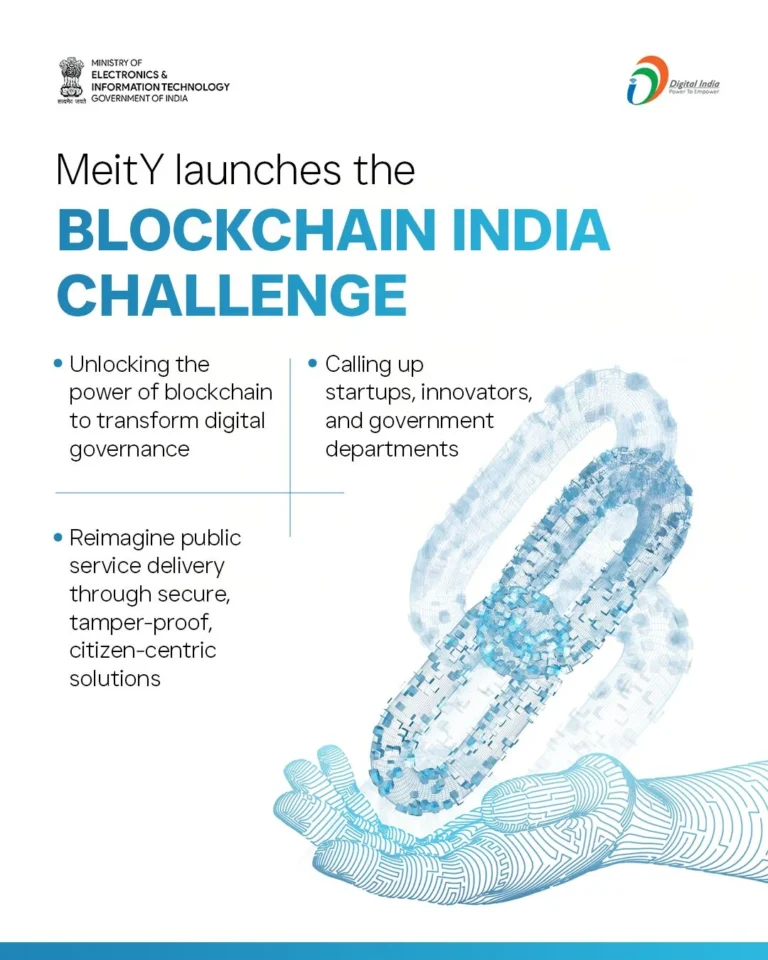
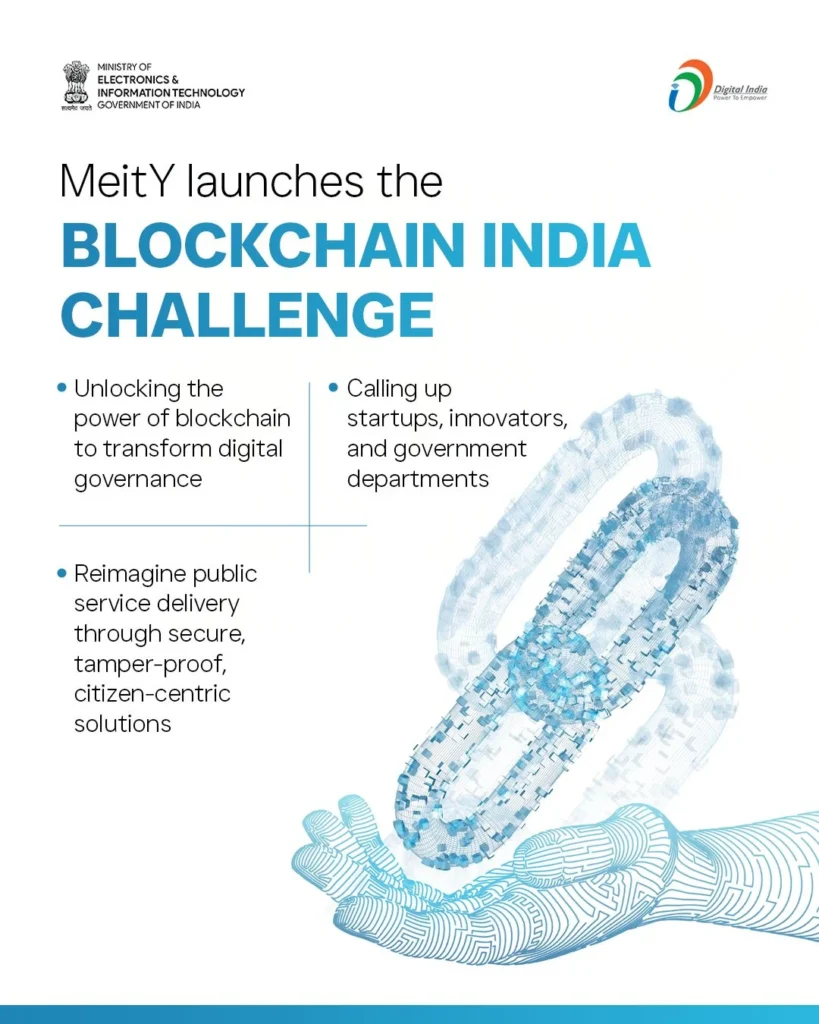
Blockchain India Challenge – Get Up to โน50 Lakh
Ministry of Electronics and Information Technology (MeitY), Government of India (implemented by Centre for Development of Advanced Computing โ C-DAC)
₹6,550,000.00- Idea Stage, Prototype Stage, MVP Stage
- March 27, 2026
Blockchain India Challenge – Get Up to โน50 Lakh
Ministry of Electronics and Information Technology (MeitY), Government of India (implemented by Centre for Development of Advanced Computing โ C-DAC)
₹6,550,000.00- Idea Stage, Prototype Stage, MVP Stage
- March 27, 2026
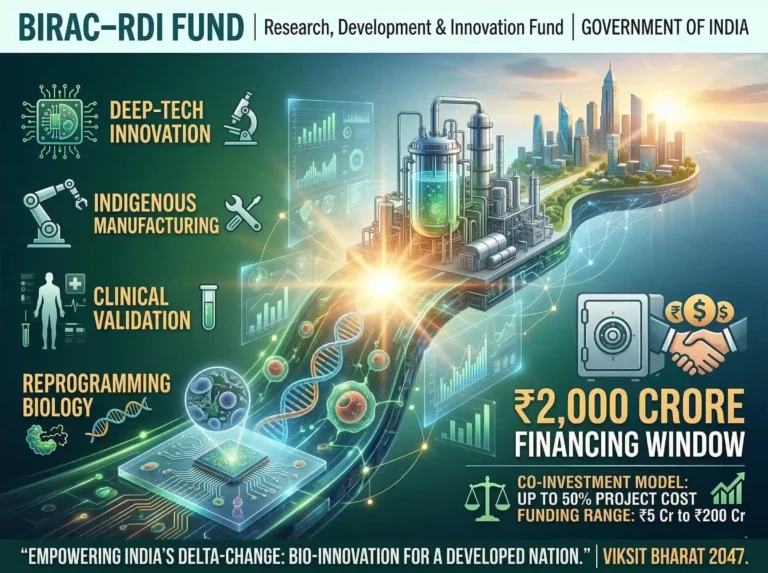
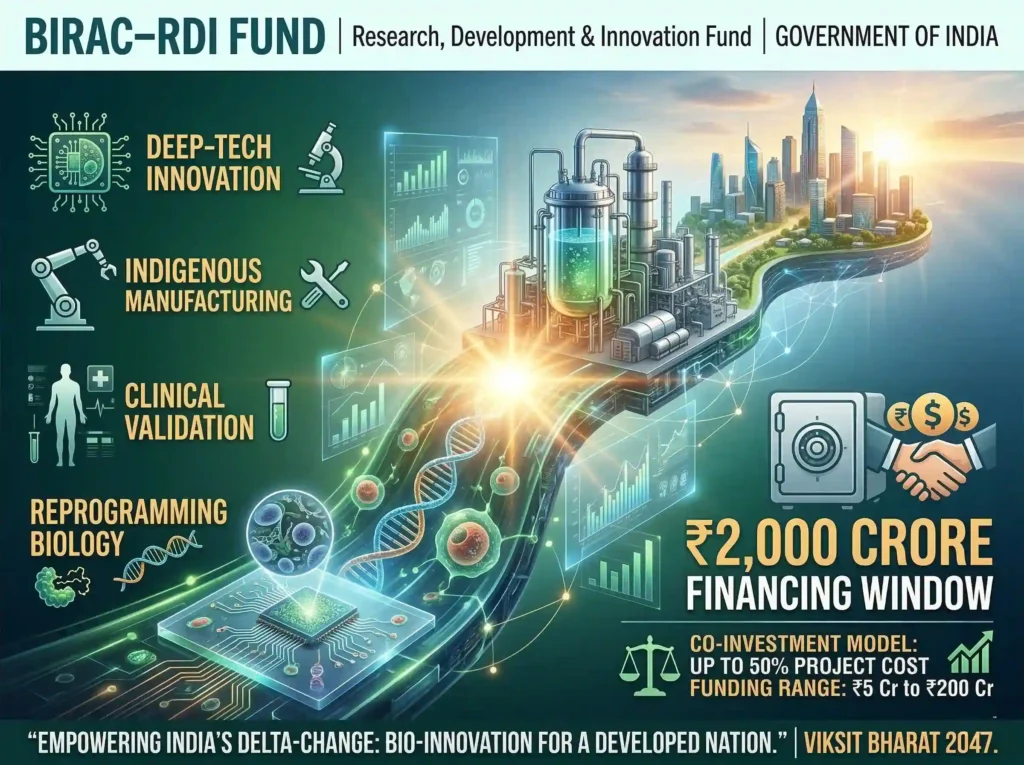
BIRACโRDI Fund โ Research, Development and Innovation Fund
Delta Change Challenge for Biotech Innovation โ Biotechnology Industry Research Assistance Council (BIRAC), under Department of Biotechnology (DBT)
₹2,000,000,000.00- MVP Stage, Early Revenue Stage, Growth Stage
- March 31, 2026
Implementation Roadmap: From Strategy To Compound Revenue Growth
AI becoming a core revenue engine requires disciplined implementation across four maturity stages, each unlocking greater revenue potential:โโ
Stage 1: Foundation – Building The Intelligence Backbone (Months 1-2)
Initial focus: unified data infrastructure and baseline analytics enabling smarter decisions:โ
Critical Investments:
Cloud data warehouse centralizing all customer, operational, and financial dataโ
Analytics infrastructure tracking KPIs across sales, marketing, successโโ
CRM/marketing platform integrations ensuring clean data flowโ
Customer data platform (CDP) building unified customer profilesโโ
Revenue Impact:ย +10% through better visibility enabling optimization opportunitiesโ
ย
Stage 2: Intelligence – Deploying Predictive Models (Months 3-4)
Focus: Building and operationalizing machine learning models driving decisions:โโ
Model Development:
Lead scoring models identifying highest-probability opportunitiesโ
Churn prediction flagging at-risk customers before defectionโโ
Deal health scoring assessing win probability and timelineโ
Customer lifetime value forecasting prioritizing high-value segmentsโโ
Revenue Impact:ย +25% through smarter targeting, qualification, and prioritizationโโ
ย
Stage 3: Activation – Operationalizing AI Across Touchpoints (Months 5-6)
Focus: Embedding intelligence into customer journeysโemails, websites, sales conversations:โ
Operational Deployment:
Email personalization engines delivering tailored campaignsโ
Sales co-pilots generating conversation briefs, objection guidanceโโ
Chatbots and support AI handling 60-70% of inquiries without humanโ
Dynamic pricing engines adjusting offers in real-timeโโ
Revenue Impact:ย +40% through widespread personalization, faster sales cyclesโโ
ย
Stage 4: Optimization – Continuous Learning And Compounding (Ongoing)
Focus: Perpetual refinement, experimentation, and scaling of highest-impact plays:โ
Optimization Mechanisms:
A/B testing creative variants, offers, messagingโ
Causal inference attributing revenue to specific AI initiativesโโ
Model retraining incorporating latest customer behaviorโ
Feedback loops from outcomes back to model improvementโโ
Revenue Impact:ย +55%+ through compounding improvements and emerging opportunities

Conclusion: AI Revenue Engine Becomes Strategic Necessity โ
AI becoming a core revenue engine transitions from competitive advantage to strategic imperative for survival. Companies recognizing this reality gainย 2-3x performance advantages on speed, accuracy, innovation, and profitability. The implementation roadmapโdata foundation โ intelligence layer โ activation โ continuous optimizationโcreates aย repeatable, compound-growth engine.
The choice facing enterprises today isn’t whether to adopt AI becoming a core revenue engine, but how quickly to build it. Early adopters secure competitive moats that become increasingly difficult for laggards to overcome. Strategic investments in unified data infrastructure, predictive models, and intelligent automation compound quarterly, transforming business economics.
Atย StartupMandi, we recognize thatย AI becoming a core revenue engineย represents the future of sustainable business competitiveness.ย Explore our comprehensive AI strategy guideย covering technology selection, implementation roadmaps, and organizational design.ย Discover our detailed revenue operations blueprint,ย helping executives integrate AI across sales, marketing, and customer success.
For entrepreneurs and executives,ย building AI becoming a core revenue engineย represents the highest-ROI strategic investment available.ย Visit our complete data strategy guideย covering infrastructure, analytics, and model development.ย Connect with our revenue AI advisorsย developing customized implementations transforming your business economics.
Disclaimer: StartupMandi and the Author of this Article, both are not a SEBI-registered research Analyst or Investment Advisor. This content is for educational and informational purposes only and should not be construed as financial or investment advice. Please consult a qualified financial advisor before making any investment decisions.
Frequently Asked Questions About AI Becoming a Core Revenue Engine
Q1: What’s the typical ROI timeline for AI becoming a core revenue engine?
AI becoming a core revenue engine delivers measurable ROI within 3-6 months. Foundation stage shows +10% improvements, intelligence stage reaches +25%, activation unlocks +40%. Most companies see positive ROI in months 4-6, with payback periods of 6-12 months on initial AI investment.
Q2: Which AI use cases deliver revenue impact fastest?
Lead scoring, churn prediction, and email personalization deliver fastest revenue impact within months 1-3. These high-impact, lower-complexity plays prove AI ROI quickly, building organizational confidence for more advanced initiatives.
Q3: How much data is required for AI becoming a core revenue engine?
Minimum requirements: 24 months of transaction history, customer interaction logs, behavioral signals. Many successful implementations launch with 12-18 months adequate data. Data quality matters more than volumeโclean 12-month dataset outperforms messy 24-month dataset.
Q4: What’s the typical technology investment for AI becoming a core revenue engine?
Depending on scale: $100K-$500K annually for early-stage (data warehouse, analytics, basic models), $500K-$2M for growth-stage (advanced models, activation platforms), $2M-$10M+ for enterprise (custom models, real-time infrastructure).
Q5: What organizational changes support AI becoming a core revenue engine?
Create cross-functional Revenue AI pods including revenue product managers, data scientists, ML engineers, RevOps professionals. Establish Chief Revenue Officer (CRO) accountability. Monthly model audits, weekly experimentation reviews. Human-in-the-loop guardrails prevent autonomous errors. These organizational changes typically outpace technology complexity in determining success.
Referring Blog / Fact Source
- Briskon: How to Build a Modern AI Revenue Engine for Growth
- AITUDE: How AI Becomes a Profit EngineโTransforming Operations & Decision-Making
- Meegle: AI For Revenue GrowthโComprehensive Strategy Guide
- McKinsey: State of AI 2024โEnterprise AI Adoption & ROI
- Gartner: AI & ML Adoption TrendsโRevenue Impact Analysis
Mariyam Bandookwala
i am a professional content writer with a strong focus on clarity, strategy, and audience engagementโhelping brands communicate smarter and grow faster.