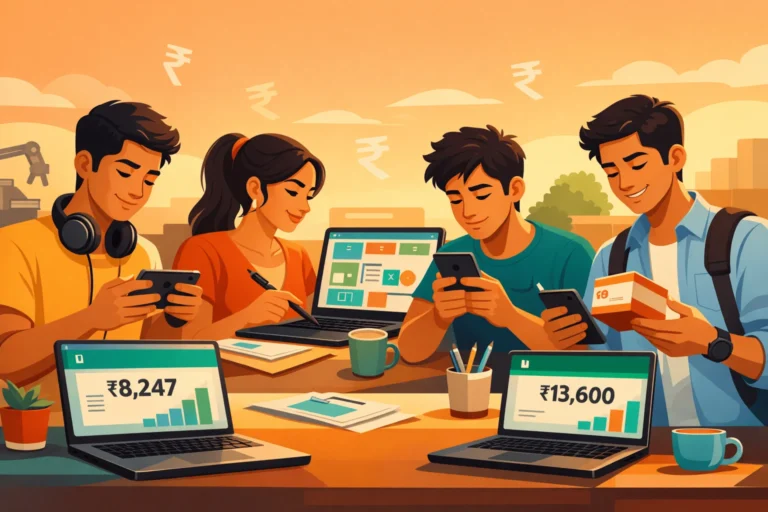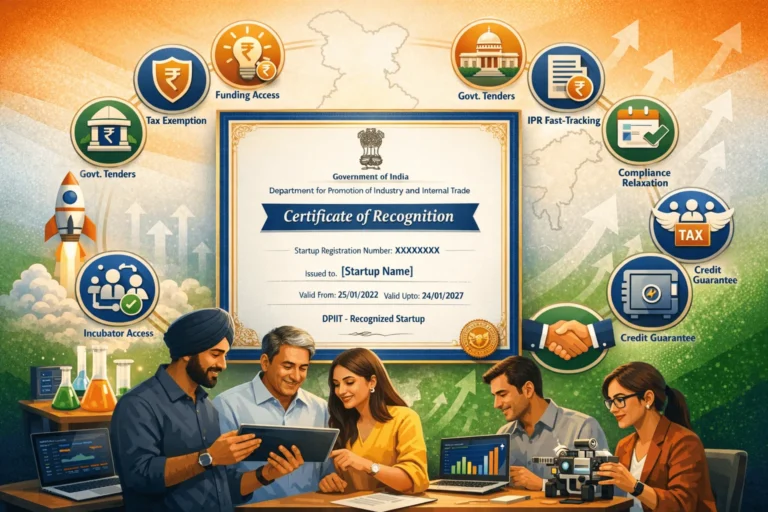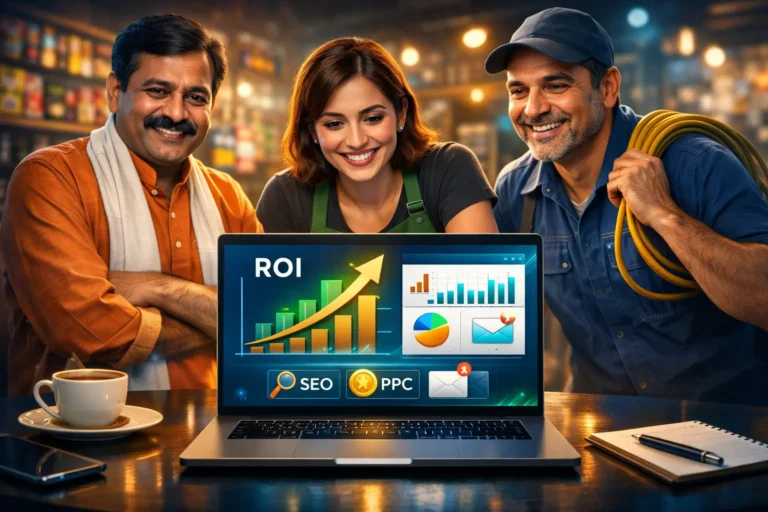

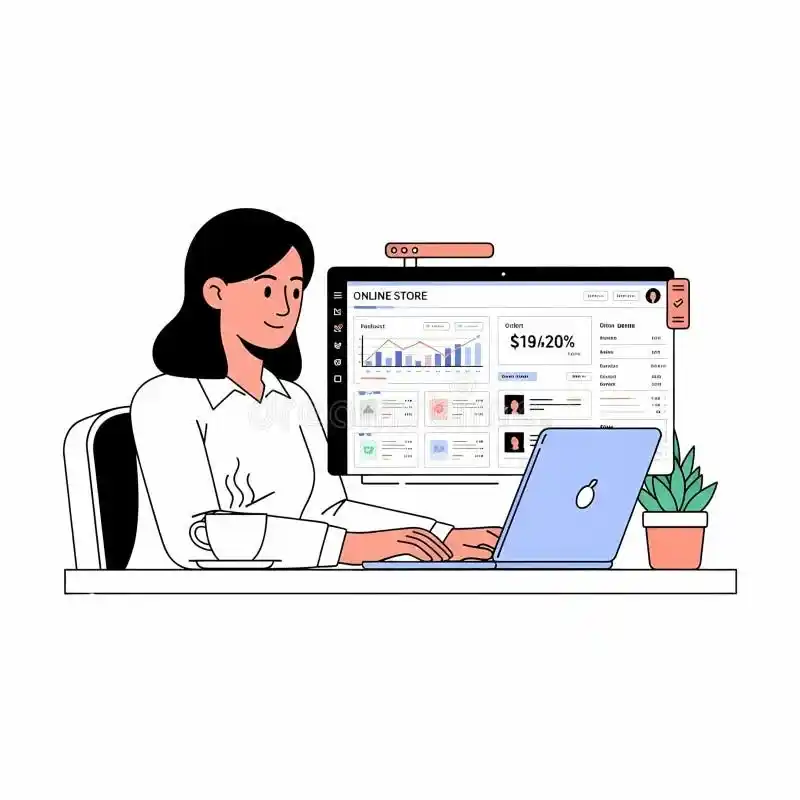
Dropshipping for beginners is the gateway to online entrepreneurship without massive upfront investments. Unlike traditional retail models, this innovative business approach lets you sell products without owning inventory. Therefore, you focus your energy on marketing and customer relationships. Moreover, the dropshipping where to start journey begins with understanding the fundamentals. In fact, India’s dropshipping market is projected to reach $17 billion by 2030.
Additionally, thousands of aspiring entrepreneurs are launching stores monthly. However, knowing where to begin separates successful dropshippers from those who struggle. This comprehensive guide reveals everything you need to launch your profitable dropshipping store in 2026.
Quick Summary:
Understanding what dropshipping is and how it works
Step-by-step guide to launching your first store
How to find reliable suppliers and select products
Building a professional online store with minimal investment
Essential marketing strategies to drive sales
Understanding Dropshipping Basics
What Is Dropshipping & How Does It Work?
Dropshipping is a business model where you sell products directly to customers without maintaining inventory. Essentially, you act as a middleman between the supplier and the customer. First, a customer places an order on your store. Then, you forward the order to your supplier. Subsequently, the supplier handles packaging and shipping. Finally, the customer receives the product with your branding. This system eliminates warehouse costs and inventory risks.
The beauty of this model lies in its simplicity. According to experts, you can start a fully functional store for as low as $65 per month. Furthermore, this accessibility has democratized online business. Additionally, India’s e-commerce market is expanding at 12.5% annually, reaching $211.6 billion in 2026.
Why Choose Dropshipping for Beginners?
Low Initial Investment: Starting a dropshipping business requires minimal capital compared to traditional retail. In fact, you don’t need to purchase inventory upfront. Therefore, you can redirect funds toward marketing and growth. Moreover, your financial risk remains manageable throughout your entrepreneurial journey.
Location Independence: Because your business operates entirely online, you can manage it from anywhere. Hence, you enjoy complete flexibility in your work location. Additionally, you only need internet connectivity. Consequently, this model suits busy professionals and full-time entrepreneurs equally.
Easy to Scale: Since suppliers handle logistics, scaling becomes straightforward. You can increase product offerings without warehouse expansion. Therefore, growth doesn’t require proportional investment increases.


Getting Started—The Essential Steps
Step 1: Choose a Profitable Niche
Your niche determines your success trajectory. Therefore, selecting wisely is crucial. Start by identifying a market with consistent demand and manageable competition. Hence, instead of selling everything, focus on specific categories. For instance, fashion accessories, pet supplies, tech gadgets, and eco-friendly products perform exceptionally well.
How to validate your niche:
Research Google Trends for search volume
Check competitor landscapes
Analyze customer demand on Reddit and Facebook groups
Validate profitability using market research tools
Important: Avoid oversaturated niches like general clothing. Instead, focus on hyper-niche markets like “sustainable yoga wear for beginners” or “smart pet accessories.” Consequently, you face lower competition and command better profit margins.
Step 2: Find Reliable Suppliers & Test Products
This step separates winners from losers. Therefore, never build your store before testing suppliers. First, research platforms like AliExpress, Spocket, Oberlo, and CJ Dropshipping. Next, evaluate suppliers based on:
Product quality and consistency
Shipping speed (2-4 days for domestic, 15-30 days for international)
Return and refund policies
Customer reviews and ratings
Communication responsiveness
Critical action: Order samples yourself before importing products to your store. Consequently, you’ll understand shipping times, packaging quality, and product durability firsthand. Additionally, this prevents customer complaints and returns later.
Step 3: Set Up Your Professional Online Store 🏪
Your store is your digital storefront. Therefore, choose platforms wisely. Shopify and WooCommerce are industry leaders. However, Shopify offers easier setup for beginners, while WooCommerce provides more customization.
For beginners, Shopify is recommended because:
Zero technical knowledge required
Professional templates available instantly
Built-in payment gateway integrations
Mobile-optimized designs automatically
Easy supplier integration with dropshipping apps
Additionally, Shopify’s basic plan costs approximately $25-35 monthly. Moreover, you can launch within 30 minutes. Therefore, you start generating revenue quickly.
Market Analysis & Growth Opportunities
India’s Dropshipping Boom in 2025 📈
The Indian dropshipping market is experiencing unprecedented growth. Therefore, now is the ideal time to enter. Statistics show India’s e-commerce market will reach $211.6 billion in 2026. Additionally, the dropshipping segment specifically is expected to achieve 25.6% CAGR through 2030.
Key Market Drivers:
Tier-2 and Tier-3 Cities: Over 60% of new shoppers come from smaller cities. Consequently, demand for affordable, accessible products is surging. Therefore, competition is less intense in emerging markets.
Made in India Movement: Government initiatives are pushing local sourcing. Hence, domestic suppliers offer faster delivery (2-4 days) compared to international suppliers (15-30 days).
Social Commerce: Instagram Shops, Facebook Marketplace, and YouTube Shorts are driving sales. Therefore, zero ad spend marketing is increasingly viable through organic content creation.
Top Product Categories for Dropshipping
| Category | Market Potential | Best Audience |
|---|---|---|
| Fashion & Apparel | High | Gen Z & Millennials |
| Electronics & Tech | Very High | Tech-savvy consumers |
| Home & Décor | High | Homemakers & Professionals |
| Beauty & Wellness | Very High | Health-conscious buyers |
| Pet Supplies | High | Pet owners in urban areas |
| Eco-friendly Products | Growing | Environmentally conscious consumers |
Furthermore, food and personal care is the fastest-growing segment. Therefore, consider these categories when selecting your niche.
Essential Strategies & Mistakes to Avoid
Critical Success Strategies for Dropshipping Beginners
1. Start Small & Scale Gradually: Avoid the temptation to list hundreds of products. Hence, begin with 1-5 high-quality items. Consequently, you test the market effectively. Furthermore, managing fewer products reduces operational complexity.
2. Invest in Marketing Early: Your store won’t succeed without traffic. Therefore, allocate budget for Facebook, Instagram, and Google Ads. Additionally, leverage free organic channels like TikTok and content marketing. Moreover, even $5-10 daily budgets generate valuable data.
3. Focus on Customer Experience: Provide transparent communication about shipping timelines. Additionally, maintain fast response times to customer inquiries. Consequently, positive reviews become your best marketing asset.
4. Build Brand Authority: Instead of selling generic products, create a unique brand story. Therefore, invest in professional branding and content. Hence, customers choose you over competitors based on trust and connection.
5. Use Automation Tools: Platforms like Dropified automate order placement to suppliers. Consequently, you save time and reduce human error. Additionally, chatbots handle customer inquiries 24/7.
Mistakes Beginners Must Avoid ⚠️
Mistake #1: Choosing Wrong Niches – Picking oversaturated markets dooms your business. Therefore, thoroughly research before committing. Additionally, avoid niches you don’t understand personally.
Mistake #2: Ignoring Supplier Quality – Poor product quality ruins your reputation permanently. Hence, test suppliers thoroughly. Additionally, maintain ongoing communication about standards.
Mistake #3: Undercutting Prices Aggressively – Low prices erode profit margins dangerously. Therefore, maintain healthy markups of 100%+. Consequently, you cover operational costs and marketing expenses.
Mistake #4: Neglecting Mobile Optimization – Over 70% of Indian ecommerce happens on mobile devices. Therefore, ensure your store is mobile-responsive. Additionally, simplify checkout processes for smaller screens.
Mistake #5: Poor Product Selection – Selling everything online overwhelms customers. Hence, narrow your focus. Consequently, you become the expert in your niche.
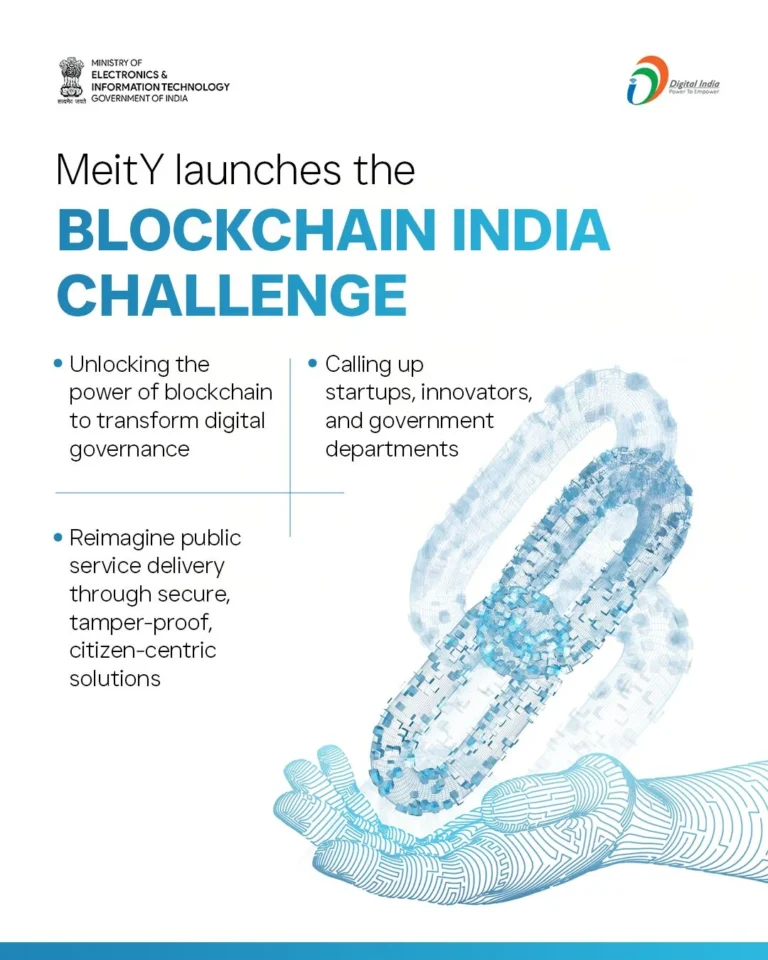
Blockchain India Challenge – Get Up to ₹50 Lakh
Ministry of Electronics and Information Technology (MeitY), Government of India (implemented by Centre for Development of Advanced Computing – C-DAC)
₹6,550,000.00- Idea Stage, Prototype Stage, MVP Stage
- March 27, 2026

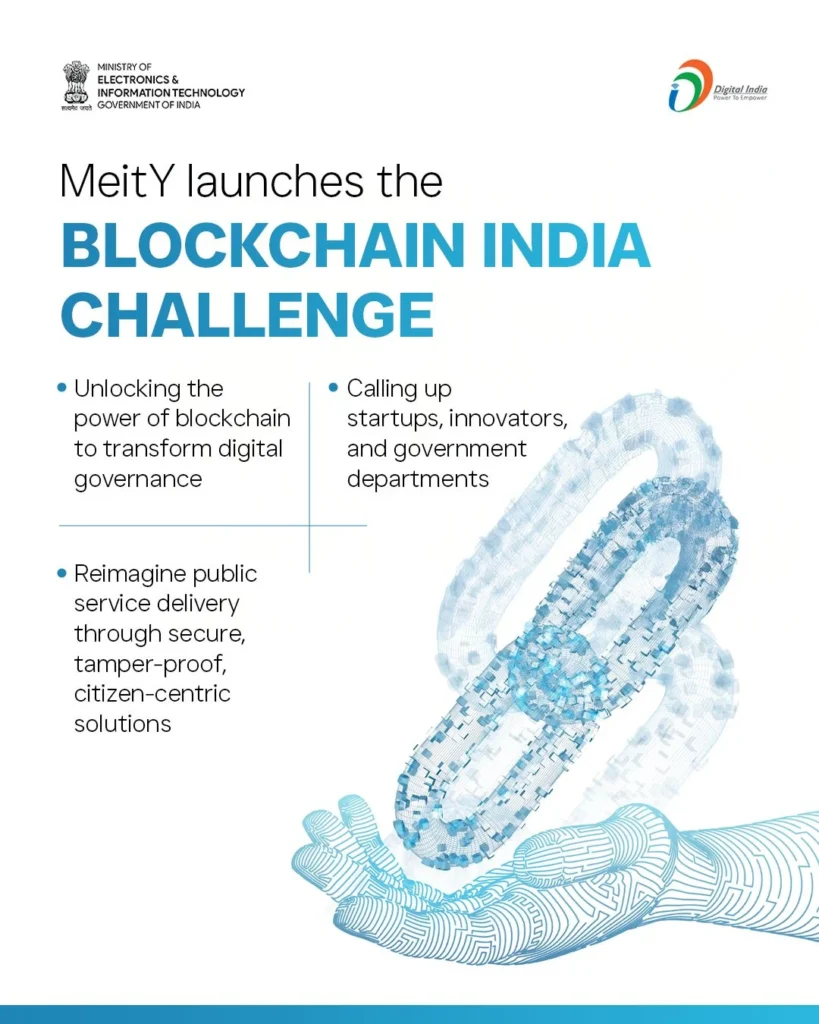
Blockchain India Challenge – Get Up to ₹50 Lakh
Ministry of Electronics and Information Technology (MeitY), Government of India (implemented by Centre for Development of Advanced Computing – C-DAC)
₹6,550,000.00- Idea Stage, Prototype Stage, MVP Stage
- March 27, 2026
BIRAC–RDI Fund – Research, Development and Innovation Fund
Delta Change Challenge for Biotech Innovation – Biotechnology Industry Research Assistance Council (BIRAC), under Department of Biotechnology (DBT)
₹2,000,000,000.00- MVP Stage, Early Revenue Stage, Growth Stage
- March 31, 2026
Conclusion
Dropshipping for beginners offers legitimate opportunities for building sustainable online businesses. Therefore, success depends on execution rather than luck. Start by choosing a profitable niche within your interest area. Subsequently, partner with reliable suppliers and test products thoroughly. Next, build a professional store on user-friendly platforms. Finally, invest in marketing strategically and consistently. Remember, the dropshipping where to start journey requires patience and persistence. However, India’s booming ecommerce market provides unlimited potential. With $65 monthly investment, you can launch your profitable store today. Subsequently, thousands of Indian entrepreneurs are already capitalizing on this opportunity. Will you join them?
FAQs
Q1: Is dropshipping legal in India?
Yes, dropshipping is completely legal in India. However, you must comply with GST regulations if your annual turnover exceeds ₹20 lakh. Additionally, maintain proper business registration and tax filing to avoid legal complications.
Q2: How much money do I need to start dropshipping?
You can start with ₹4,000-5,000 ($50-65 USD) monthly for platform and supplier fees. However, budget additional funds for domain, SSL certificate, and initial marketing campaigns. Consequently, a realistic startup budget is ₹20,000-50,000.
Q3: How long does it take to earn profits?
Profitability timeline varies based on niche competitiveness and marketing efforts. Typically, expect 3-6 months before generating consistent profits. However, some fast-movers achieve profitability within 4-6 weeks with optimized campaigns.
Q4: Can I work from home as a dropshipper?
Absolutely! Dropshipping is location-independent. Therefore, manage your business from home, coffee shops, or anywhere with internet access. Consequently, this flexibility attracts millions of entrepreneurs globally.
Q5: What suppliers should beginners use?
Beginners should start with platforms like Spocket, Oberlo, or Printify for reliability. However, also explore local Indian suppliers via IndiaMART and GlowRoad for faster shipping. Additionally, thoroughly vet suppliers through customer reviews before committing.
Referring Sources & Fact Sources
Shopify Blog – How to Start a Dropshipping Business
SabPaisa – How to Start Dropshipping in India
Dropship.IO – Dropshipping for Dummies
Grand View Research – India Dropshipping Market Outlook
GlobalData – E-Commerce in India 2026
DISCLAIMER
This blog provides educational information about dropshipping as a business model. Dropshipping involves financial investment and carries business risks, including supplier reliability issues, market competition, and operational challenges. Results vary based on individual effort, market conditions, and execution quality. Past success stories do not guarantee future results. Readers should conduct thorough market research, consult with business advisors, and understand local regulations before investing in dropshipping ventures. StartupMandi and the authors assume no responsibility for financial losses resulting from decisions made based on this content.
Arshia Jahan
Digital Marketing and SEO professional, focused on content strategy & optimizing content, improving search rankings, and delivering results through smart, audience-focused strategies. As a Content Strategist and SEO professional, I believe that search engines don't buy products—people do. By blending technical SEO precision with a human-first content approach. I provide readers with the strategic blueprints needed to scale in a competitive digital world.