



Profitable SaaS startup ideas 2026 are reshaping how founders build lean, high‑margin software businesses, from AI healthcare tools to micro‑SaaS for creators.
Global SaaS spending is projected to cross $300B+ by mid‑2020s, with double‑digit annual growth.
Micro SaaS and vertical SaaS now outperform “one‑size‑fits‑all” tools in retention and pricing power.
AI‑driven automation is expected in at least one major process for 75% of SaaS companies by 2026.
Bootstrapped founders are reaching $5k–$50k MRR with lean teams and focused products.
Top opportunities lie in healthcare, construction, property, creators, compliance, and Indian SMB workflows.
Also Read: Best AI Tools 2026 For Work And Business
Profitable SaaS Startup Ideas 2026: Why Now Is the Best Time
SaaS has moved from “nice to have” tools to mission‑critical infrastructure for businesses of every size. As companies spend more per employee on software each year, they actively seek specialized products that solve one painful workflow really well.
The Macro Tailwinds You Can’t Ignore
Growing cloud adoption and AI maturity are making it easier to build, deploy, and scale SaaS products with very small teams. At the same time, sectors with complex regulations and manual workflows are desperate for automation.
AI, Automation, and Compliance
AI SaaS revenue is projected to grow from ~$70B in 2024 to hundreds of billions by 2031, with very high CAGR.
ESG and other regulatory rules are now mandatory in 50+ countries, opening space for compliance‑focused SaaS.
SaaS vs Micro SaaS vs Vertical SaaS
Micro SaaS focuses on one feature, one niche, and a small but loyal user base. Vertical SaaS targets a single industry with deep workflows and higher willingness to pay.
| Factor | Traditional SaaS | Micro SaaS | Vertical SaaS |
|---|---|---|---|
| Target market | Broad, cross‑industry | Ultra‑niche users | One industry (e.g., construction) |
| Scope | Many modules | 1–2 core workflows | End‑to‑end for that sector |
| Team size | Larger product teams | Solo / 2–3 people | Small but multi‑disciplinary |
| Pricing power | Competitive, crowded | Premium in a niche | Very high if mission‑critical |

- Select options This product has multiple variants. The options may be chosen on the product page
High‑Potential Profitable SaaS Startup Ideas 2026
Niche, workflow‑first products are winning, especially where existing tools are clunky or too generic. Below are some battle‑tested idea spaces that have strong data, clear buyers, and room for Indian founders.
1. AI‑Powered Healthcare Documentation
Doctors still spend hours daily writing notes and updating electronic records, which directly reduces patient time. An AI‑driven documentation SaaS can convert voice notes to structured records, push data into EHRs, and automate coding for billing.
In North America, over 50%+ providers plan to invest in AI SaaS for operations and care improvement.
Revenue can grow via per‑provider subscriptions starting near $199/month, with hospital‑level enterprise tiers.
2. Vertical SaaS for Construction & Real Estate
Construction remains one of the least digitized major industries, with complex compliance, contracts, and multi‑party coordination. A focused platform for permits, subcontractor workflows, and progress tracking offers high ROI and strong stickiness.
The US construction sector alone generates $1.8T+ annually, with rising software adoption.
Property management automation (tenant, rent, maintenance) is another fast‑growing vertical SaaS niche.
Quote: “Vertical SaaS earns the right to charge premium pricing by owning critical workflows, not just features.”
3. Micro SaaS for Creators, Freelancers, and Agencies
Creators and independent professionals prefer simple, affordable tools that solve one workflow without enterprise complexity. Micro SaaS products like social proof widgets, habit trackers, KPI dashboards, and profitability trackers are already reaching healthy MRR for solo founders.
Examples include tools for content licensing, micro‑analytics, profitability tracking, and landing page building.
Documented micro‑SaaS products have grown to $5k–$8k MRR with a single developer.

How to Validate Profitable SaaS Startup Ideas 2026
A good idea is not enough; validation and execution separate a side project from a real business. Founders who talk to users early, ship fast, and iterate usually hit revenue months faster than those chasing perfect products.
Step 1: Validate Before You Code
Most experts recommend structured customer discovery and quick landing page tests. The goal is simple: prove that people feel the pain strongly enough to pay.
Run 50+ customer interviews focused on pains, not features.
Launch a simple landing page with a clear promise and waitlist or paid pilot offer.
Track sign‑ups, demo requests, and pre‑payments as early proof of demand.
Step 2: Build a Focused MVP and Go‑to‑Market
Once the problem is validated, build a minimal, reliable workflow, not a full product suite. Then, distribute where your niche already hangs out.
Ship an MVP that automates one painful task end‑to‑end and integrates with existing tools.
Launch on communities like Indie Hackers, Reddit, LinkedIn groups, and relevant Indian founder communities.
Start with simple pricing (one or two plans) and refine after real usage data.
Pro Tip: For Indian founders, targeting global niches with lean teams can create dollar‑denominated MRR while keeping local cost advantages.
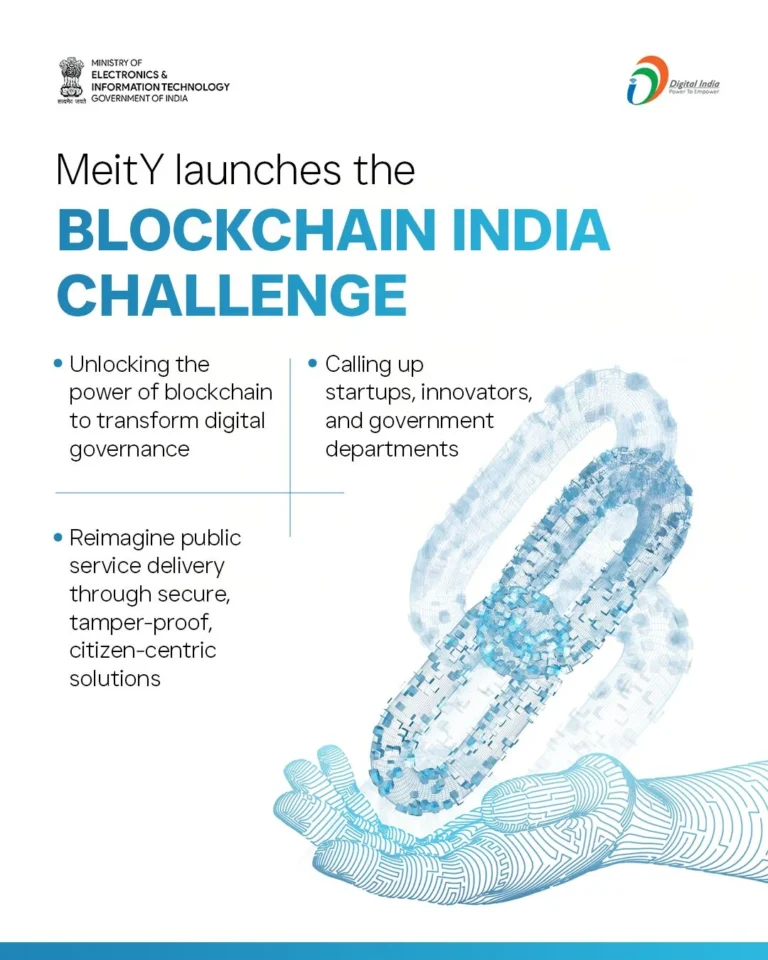
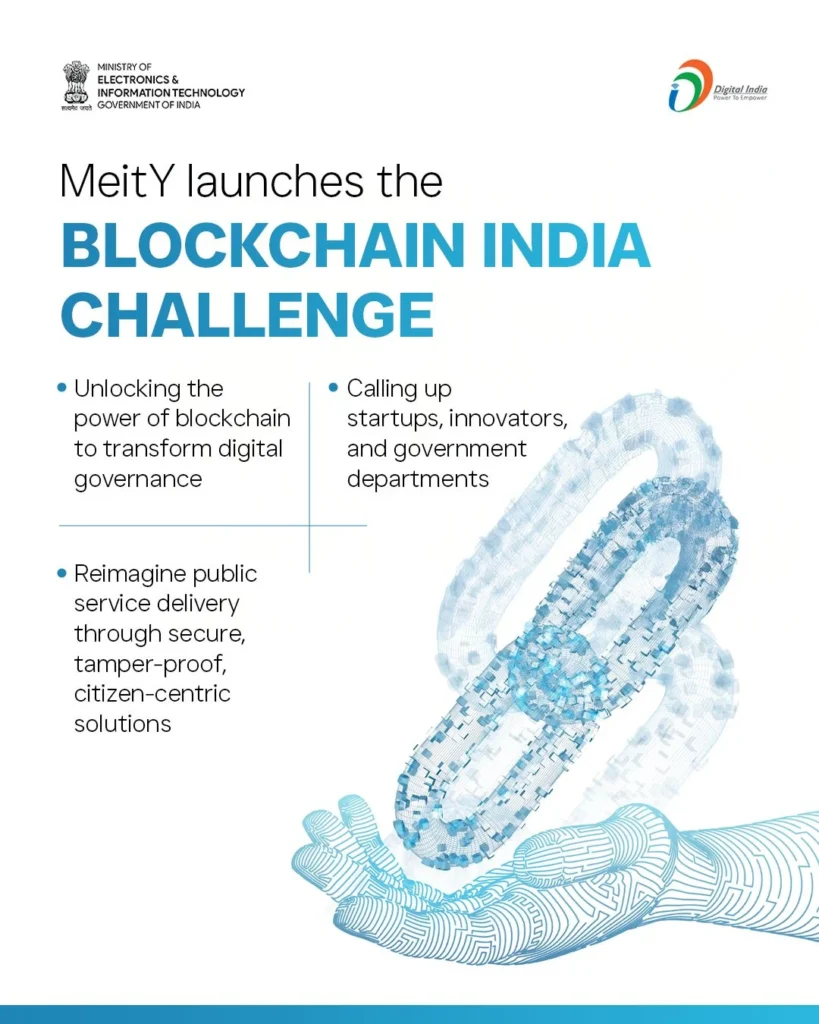
Blockchain India Challenge – Get Up to ₹50 Lakh
Ministry of Electronics and Information Technology (MeitY), Government of India (implemented by Centre for Development of Advanced Computing – C-DAC)
₹6,550,000.00- Idea Stage, Prototype Stage, MVP Stage
- March 27, 2026
Blockchain India Challenge – Get Up to ₹50 Lakh
Ministry of Electronics and Information Technology (MeitY), Government of India (implemented by Centre for Development of Advanced Computing – C-DAC)
- Idea Stage, Prototype Stage, MVP Stage
- March 27, 2026
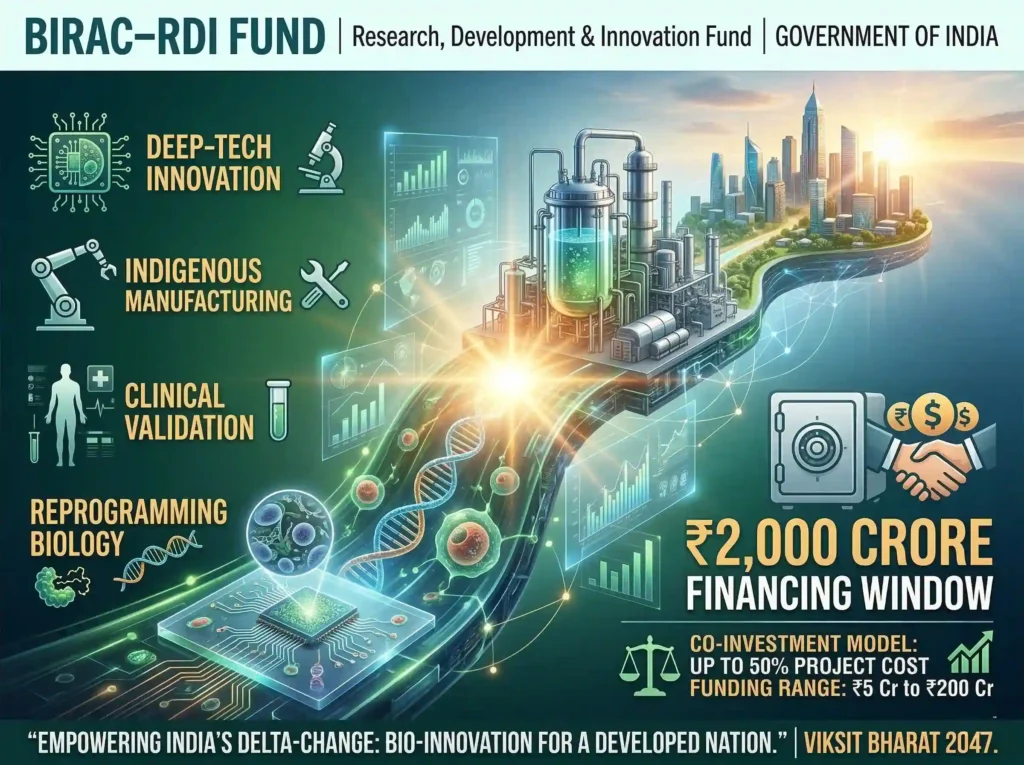
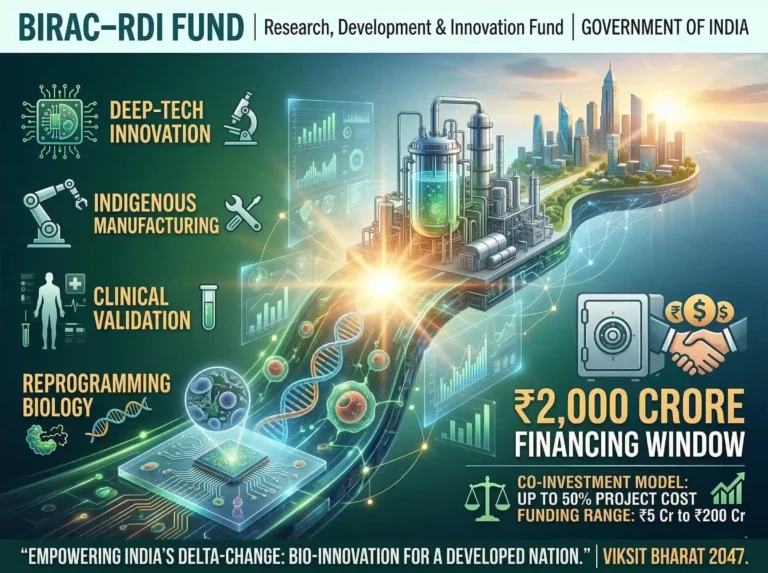
BIRAC–RDI Fund – Research, Development and Innovation Fund
Delta Change Challenge for Biotech Innovation – Biotechnology Industry Research Assistance Council (BIRAC), under Department of Biotechnology (DBT)
₹2,000,000,000.00- MVP Stage, Early Revenue Stage, Growth Stage
- March 31, 2026
Conclusion :
Profitable SaaS startup ideas 2026 reward founders who choose sharp niches, embed AI where it actually saves time, and listen obsessively to paying users. Instead of chasing the next unicorn platform, building a calm, cash‑flow‑positive micro or vertical SaaS is often a smarter path for early‑stage teams.
FAQs
What is the difference between SaaS and Micro SaaS?
SaaS usually targets broad markets with multiple modules, while micro SaaS focuses on one niche workflow for a narrow audience, often run by a solo or very small team.
Are micro SaaS businesses really profitable?
Yes, many micro SaaS founders publicly report $5k–$50k MRR with minimal headcount, by serving narrowly defined, high‑value use cases.
Which industries look best for profitable SaaS startup ideas 2026?
Healthcare, construction, property management, creator tools, small business compliance, and restaurant operations show strong growth and clear, repetitive workflows ready for automation.
How much capital is required to start a SaaS in 2026?
Modern founders often reach first revenue after spending under $1,000, using cloud free tiers, no‑code tools, and scrappy validation techniques.
Where should a first‑time founder begin?
Start by picking a niche you understand, interviewing potential users, validating willingness to pay, then building a small MVP that solves a single critical task very well.